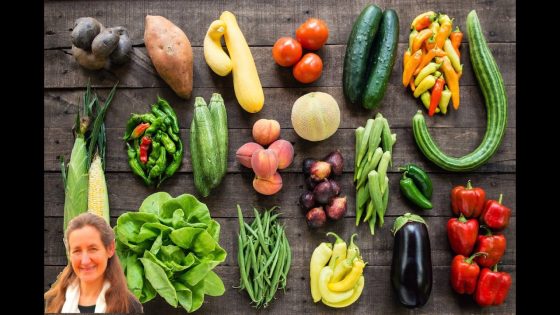
Just pick up a delivery from your CSA and wondering how to store those leeks? Not sure if you should wash your carrots before refrigerating them?

Below is a list of tips — collected from farmers, veteran locavores, a dear CSA friend Judy Soderquist, and the wonderful Farmer John’s Cookbook – on how to clean and store your farm-fresh produce. Curious about something I left out? Send me a comment and I’ll get you an answer.
Asparagus–Wrap the woody ends (not the tips) in a moist paper towel and refrigerate in a plastic bag.
Basil–Store like flowers, that is, in a small jar of water on the counter with no leaves touching the water. Do not refrigerate.
Beets—If the greens are still attached, cut them off, leaving only an inch. Store them unwashed in a plastic bag in the refrigerator. (They’re best used within a day or so; I try to cook them that day.) As for the beets themselves, if they come in really muddy, wash them and put them in a plastic bag in the fridge. Otherwise, put them straight in a bag in the fridge.
Bell Peppers–Store unwashed peppers in a plastic bag in the fridge.
Broccoli–Store in a loose plastic bag in the fridge.
Brussels Sprouts–Wrap in plastic and store unwashed in a sealed plastic bag in the fridge. They keep longer if left on the stalk.
Cabbage—Store in the refrigerator, preferably in the crisper not in a bag. Once cut, put in a plastic bag in the fridge.
Carrots—Cut off all but an inch of the greens, then put them in a plastic bag (unwashed) in the fridge.
Cauliflower–Keep in the fridge in a plastic bag. Wash before eating.
Celery–Do not wash. Store in a plastic bag in the fridge.
Celery Root—As long as it’s pretty clean, store without washing in an uncovered box in a cold place or in a plastic bag in the fridge.
Chard–Make sure it is dry, then store unwashed in a sealed plastic bag in the fridge.
Chinese Cabbage—Some treat it like lettuce, washing and storing it in a paper towel in a plastic bag, to be used within a few days. Others store it unwashed in a plastic bag in the fridge for up to a week. Let us know what you think works best!
Collard Greens–Make sure they are dry, then store unwashed in a sealed plastic bag in the fridge.
Corn–Refrigerate in the husks in a plastic bag.
Cucumbers–Store unwashed cukes in a plastic bag in the fridge.
Daikon Radishes–Cut off the greens, then store the unwashed radish in a plastic bag in the fridge.
Eggplant–Keep it in the fridge, unwashed and wrapped loosely in a kitchen towel.
Endive–Do not wash. Wrap loosely in a plastic bag and put in the fridge. The wise folks at Angelic Organics recommend first perforating the plastic bag.
Fennel–Store the bulb, unwashed, in a plastic bag in the fridge.
Green Beans–Do not wash. Put them in the fridge in a perforated plastic bag.
Greens–For beet greens and turnip greens, look under beets or turnips. Otherwise, look under things like collards, kale, chard or spinach.
Herbs–For everything but basil, place in a small jar filled with an inch or so of water, then cover with a plastic bag or plastic wrap and keep in the fridge.
Kale–Store dry unwashed kale in a sealed plastic bag in the fridge.
Kohlrabi–Cut off unwashed stalks and greens and store in separate plastic bags in the fridge.
Leeks—Cut off the roots (leaving 1/2 inch on the bottom so the leaves stay connected) and several inches from the tops. Gently peel back the leaves to brush out some of the dirt. Store in a plastic bag in the refrigerator. Wash well before using to remove dirt trapped between the layers.
Lettuce and other Salad Greens–Some people choose to wash and dry them in a salad spinner, then roll them in a paper or kitchen towel and refrigerate in a plastic bag. Others store in a plastic bag and wash just prior to eating.
Onions (yellow, red, white)—Do not wash. Store in a single layer in an uncovered shallow box, preferably in a cold place. Scallions and sweet onions should be kept in a plastic bag in the fridge.
Parsnips–Do not wash. Store in a plastic bag in the fridge.
Popcorn—Freeze or store in a glass jar.
Potatoes—Store them like onions, unwashed in a single layer in an uncovered shallow box, preferably in a cold place.
Radishes–Keep them in the fridge in a plastic bag. Do not wash until ready to eat.
Spinach–Dry first, then store unwashed in a sealed plastic bag in the fridge.
Sugar Snap Peas–Do not wash. Store in a perforated plastic bag in the fridge.
Summer Squash–Store unwashed in a perforated plastic bag.
Sweet Potatoes–Do not wash. Store them in a single layer in an uncovered shallow box, preferably in a cold place.
Tomatoes–Never refrigerate a fresh tomato! Store at room temperature or else you will ruin its texture.
Winter Squash—Store in a shallow box in a cold place, and use quickly if it has a soft end or a bruise.
Awesome.
Thanks so much for the info. My hubby and I are looking at joining a CSA and this will come in handy.
I’m so glad — let me know if you have any other specific questions.
Thanks,What a great info source,owe ya a loaf of bread, I love fresh veggies but it kills me when I loose them to spoilage,Michael
Great tips, thanks! This is our first season and today was the first pick up – we’ll be back!