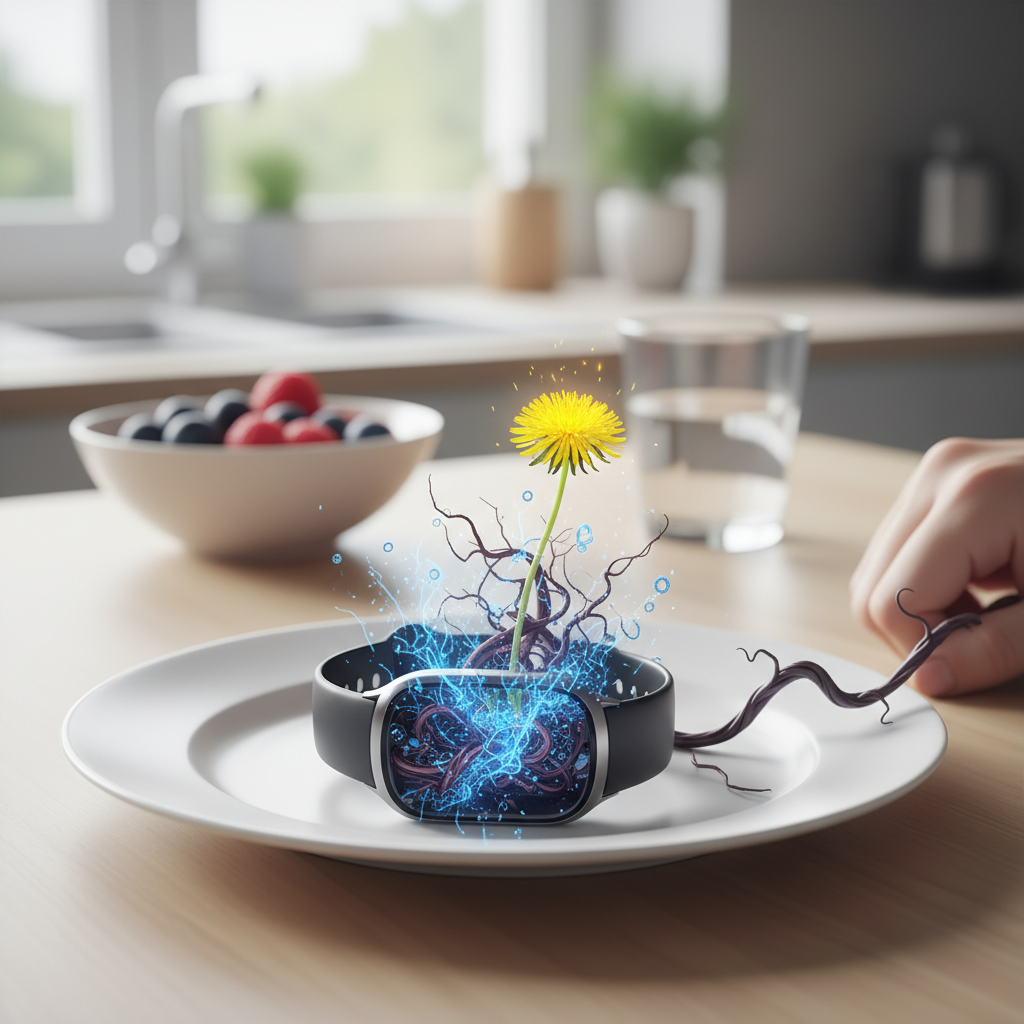
That ‘Optimal’ Health Protocol Is Probably Harming You. Here Are the 7 Simple Habits That Actually Add Decades to Your Life.
You’ve seen them: the gleaming, perfect people on social media, touting their hyper-specific, meticulously tracked “optimal” health routines. They’re telling you to cold plunge at dawn, follow a 20-hour fasting window, take a dozen exotic supplements, and track every single biomarker with the precision of a NASA mission. The promise? Not just health, but *optimization*—a longer, sharper, more vibrant life.
It’s an alluring narrative, isn’t it? The idea that with enough effort, the right gadgets, and a few secret protocols, you can unlock superhuman longevity. But here’s the uncomfortable truth: while these extreme approaches might look impressive online, for most of us, they’re not just unnecessary—they can be a colossal waste of time, money, and mental energy, sometimes even creating more stress than they alleviate.
What if the real secret to adding decades of healthy, happy living to your life isn’t found in a complex biohacking regimen, but in a handful of foundational, often overlooked habits? What if the path to true longevity is far simpler, more accessible, and dare we say, more enjoyable?
At Seed to Spoon, we believe in cutting through the noise. We’ve sifted through the latest science, and what we found might surprise you. It turns out, your doctor isn’t impressed by your expensive IV drips; they’re impressed by consistent, sustainable practices. Let’s peel back the layers of marketing and hyperbole to reveal the 7 fundamental habits that truly move the needle on your health and lifespan.
The Allure of “Optimal”: Why We Chase the Extreme
In a world overflowing with information, it’s easy to get swept up in the pursuit of “optimization.” Social media influencers, glossy magazines, and even some podcasts present a dazzling array of advanced protocols, each promising to unlock your body’s full potential. We’re told that if we’re not constantly pushing the boundaries—intermittent fasting for 24 hours, running ultra-marathons, or consuming a cocktail of obscure compounds—we’re somehow falling short.
This relentless drive often stems from a genuine desire to live longer and feel better. However, it’s also fueled by effective marketing and a misunderstanding of how the body truly works. Many of these “cutting-edge” strategies offer diminishing returns. That is, they might provide a tiny, incremental benefit for a massive investment of time, effort, and money. Studies even show that having too many health goals can be counterproductive, leading to overwhelm and less adherence overall.
But here’s where it gets interesting: while the headlines scream about the latest “biohack,” the scientific community consistently points to a core set of fundamental habits that provide the vast majority of health and longevity benefits. These aren’t new, they aren’t sexy, but they are profoundly effective.
The True Pillars of Longevity: 7 Habits That Add Decades
Let’s dive into the science-backed, high-impact habits that form the bedrock of a long, healthy life. You’ll notice a common theme: these are all about consistency, not extremity.
1. Move Your Body (Daily & Strategically)
Remember when “exercise” meant just getting off the couch? We’ve complicated it immensely, yet the core truth remains: movement is medicine. The magic doesn’t lie in running ultra-marathons or lifting impossible weights, but in consistent, varied activity.
What the Science Says:
- Daily Activity is King: Regular physical activity significantly reduces all-cause mortality. Even moderate walking makes a huge difference. One landmark study tracked college alumni and found a clear link between activity levels and longevity. More recently, meta-analyses confirm that simply increasing your daily step count dramatically reduces mortality risk. Every step counts, with significant benefits kicking in around 7,000-8,000 steps/day.
- Resistance Training for Resilience: It’s not just for bodybuilders. Strength training is crucial for bone density, preventing falls (a major cause of injury in older adults), and maintaining muscle mass as you age. Resistance exercise offers health benefits far beyond hypertrophy, impacting metabolic health and overall robustness.
- The Danger of Extremes: While activity is great, extreme endurance exercise (think multiple marathons a year) can, in rare cases, lead to cardiac remodeling and even fibrosis in some individuals, and increase the risk of conditions like atrial fibrillation. The sweet spot for longevity isn’t at the very top of the athletic pyramid.
2. Eat Mostly Whole, Unprocessed Foods
The diet industry has managed to make eating a minefield of conflicting advice. Keto, paleo, vegan, carnivore… the list goes on. Yet, the overwhelming scientific consensus points to one simple truth: prioritize whole foods.
What the Science Says:
- The Ultra-Processed Problem: Ultra-processed foods (UPFs) are linked to a host of negative health outcomes, including cardiovascular disease, diabetes, and even certain cancers. They are designed to be hyper-palatable, leading to overconsumption, and often lack essential nutrients while being high in added sugars, unhealthy fats, and sodium. A large European cohort study found a significant association between UPF consumption and cancer risk.
- Fruits and Vegetables: Non-Negotiable: This isn’t groundbreaking, but it’s often under-prioritized. Higher fruit and vegetable intake is consistently associated with lower mortality rates. They provide fiber, vitamins, minerals, and antioxidants essential for fighting disease and supporting cellular health.
- Protein for Longevity: Adequate protein intake, particularly from plant sources and lean animal protein, is vital. Studies show that adequate protein intake, especially from diverse sources, supports healthy aging and helps prevent muscle loss (sarcopenia). However, excessive consumption of red and processed meats is linked to increased risks of chronic diseases, including type 2 diabetes and certain cancers.
3. Prioritize Quality Sleep
Sleep is not a luxury; it’s a biological imperative. Yet, in our 24/7 world, it’s often the first thing we sacrifice. From late-night scrolling to early-morning hustles, sleep often gets the short end of the stick. This is a critical mistake for longevity.
What the Science Says:
- The Foundation of Health: Sleep directly impacts everything from cardiovascular health and immune function to cognitive performance and mood regulation. Chronic sleep deprivation (less than 7 hours) increases inflammation, disrupts hormone balance, and impairs glucose metabolism.
- Brain Health Protector: During sleep, your brain performs crucial “housekeeping” tasks, clearing out metabolic waste products, including amyloid-beta, which is implicated in Alzheimer’s disease. Both short and long sleep durations have been associated with increased amyloid-β burden and cognitive decline.
- Sweet Spot for Longevity: While too little sleep is clearly detrimental, consistently sleeping more than 9 hours per night can also be a marker of underlying health issues or a contributor to negative outcomes. The sweet spot for most adults is 7-9 hours of quality sleep per night.
4. Master Stress, Don’t Let It Master You
Stress is an unavoidable part of modern life. But chronic, unmanaged stress is a silent killer, eroding your health from the inside out. True longevity isn’t about eliminating stress (an impossible feat), but about developing effective coping mechanisms and changing your relationship with it.
What the Science Says:
- The Physical Toll of Chronic Stress: Constant activation of your “fight or flight” response elevates cortisol, increases inflammation, and contributes to cardiovascular disease risk, impaired immune function, and digestive issues. New research continues to highlight the pervasive link between stress and heart health.
- Mindset Matters: It’s not just the stressor itself, but your *perception* of it that counts. Research shows that reappraising stress as a challenge rather than a threat can lead to more adaptive physiological responses. Cultivating a growth mindset can fundamentally alter how you experience and recover from setbacks.
- Self-Compassion for Resilience: Instead of being critical of yourself during tough times, practicing self-compassion can buffer the negative effects of stress and foster greater emotional resilience. Treat yourself with the same kindness you’d offer a good friend.
5. Cultivate Deep Social Connections
We are wired for connection. In an increasingly digital world, genuine human connection can feel scarce, yet its impact on longevity is profound—and often underestimated. Social isolation is as detrimental to health as smoking, while strong relationships are a powerful predictor of a long, happy life.
What the Science Says:
- The Loneliness Epidemic: A meta-analysis of over 300,000 participants found that strong social relationships increase the likelihood of survival by 50%. Conversely, loneliness and social isolation are linked to increased risks of dementia, heart disease, and premature death.
- The Harvard Study of Adult Development: One of the longest studies on human happiness and longevity found that the quality of our relationships is the single strongest predictor of a long and happy life. It wasn’t wealth or fame, but deep, meaningful connections that kept people healthy and protected their brains.
- Quality Over Quantity: You don’t need hundreds of “friends.” A few close, supportive relationships are far more impactful than a large, superficial network. Focus on nurturing real connections with family, friends, and community.
6. Avoid Toxins (Smoking & Excessive Alcohol)
This might seem obvious, but it’s foundational. Some choices have such a catastrophic impact on health and longevity that no amount of “optimization” can undo the damage.
What the Science Says:
- Smoking: The Ultimate Health Destroyer: There is virtually no debate here. Smoking is a leading cause of preventable death worldwide, linked to cancers, heart disease, stroke, chronic respiratory diseases, and accelerated aging. Fifty years of research from the Surgeon General’s office confirms its devastating impact.
- Alcohol: No Safe Level: While moderate alcohol consumption was once debated for its potential cardiovascular benefits, recent comprehensive reviews have concluded that there is no safe level of alcohol consumption in terms of overall health. Even light to moderate drinking is associated with increased risks of certain cancers and cardiovascular issues. The WHO has explicitly stated that no level of alcohol is safe.
7. Embrace Simple Safety Measures
This is perhaps the least “sexy” aspect of longevity, but it’s incredibly effective and often overlooked in the pursuit of exotic health hacks. Preventable accidents and injuries significantly reduce lifespan and quality of life.
What the Science Says:
- Seatbelts Save Lives: It sounds basic, but wearing a seatbelt dramatically reduces the risk of serious injury and death in car accidents. NHTSA data consistently shows that seatbelts have saved millions of lives.
- Helmet Use: Whether you’re cycling, motorcycling, or engaging in other activities with head injury risk, helmets are non-negotiable. Studies clearly demonstrate the protective effect of helmets against severe head trauma.
- Oral Hygiene for Systemic Health: Flossing daily isn’t just for fresh breath; it prevents gum disease, which is linked to systemic inflammation and increased risk of heart disease and diabetes.
- Protect Your Hearing: Hearing loss is not just an inconvenience. It’s associated with increased risk of cognitive decline, dementia, and falls in older adults. Regular hearing checks and using hearing protection in noisy environments can protect your brain and balance.
Beyond the Hype: Embracing Sustainable Health
So, what does all this mean for you? It means you can breathe a sigh of relief. You don’t need to empty your wallet on obscure supplements or turn your life into a rigid “biohacking” experiment to live a long, healthy, and happy life. The greatest gains in longevity come from mastering the fundamentals, not chasing the marginal returns of extreme protocols.
The “optimal” path, for most people, is simply a consistent path. It’s the daily accumulation of smart, sustainable choices that truly adds decades. These seven pillars aren’t revolutionary, but their consistent application is. They represent the biggest levers you can pull for your health, offering immense benefits for a reasonable investment of time and energy.
Your journey to longevity should enhance your life, not consume it. Focus on building habits you can stick with, habits that bring you joy, and habits that integrate seamlessly into your everyday existence. That’s the real secret to living longer, healthier, and truly, more optimally.
Key Takeaways for Lasting Health:
- Simplicity is Power: The vast majority of longevity benefits come from a few foundational habits.
- Consistency Over Intensity: Small, regular efforts yield far greater returns than sporadic, extreme ones.
- Happiness Matters: Your mindset, stress levels, and social connections are as crucial as diet and exercise.
- Beware Diminishing Returns: Many “optimization” protocols offer minimal extra benefit for significant effort and cost.
- Focus on What You Can Control: Master the basics before considering advanced strategies.
Frequently Asked Questions
What’s the difference between “health optimization” and fundamental healthy habits?
Fundamental healthy habits (like those listed above) are the high-impact, evidence-based practices that provide the vast majority of health and longevity benefits for the general population. “Health optimization” often refers to advanced, ultra-specific protocols (e.g., extreme fasting, bespoke supplement cocktails, extensive biomarker tracking) that aim for marginal improvements, often at significant cost and effort, and may only be relevant for elite athletes or individuals with specific, well-managed conditions.
Do I need expensive supplements for longevity?
For most people, no. A balanced diet rich in whole, unprocessed foods provides the nutrients necessary for optimal health. While specific deficiencies might warrant targeted supplementation under medical guidance, the vast majority of “longevity” or “anti-aging” supplements lack robust scientific evidence for healthy individuals and can even be harmful or adulterated. Prioritize food first.
How much exercise is “optimal” for a long life?
The sweet spot for longevity is typically found in consistent moderate-to-vigorous activity. This includes daily movement like walking (aim for 7,000-8,000 steps) and 2-3 sessions of strength training per week. While more activity can be beneficial, extreme endurance exercise can sometimes lead to diminishing returns or even negative cardiovascular effects in some individuals. Consistency and variety are more important than pushing to extremes.
Can “biohacking” really add decades to my life?
Many popular “biohacking” trends lack rigorous scientific backing for their claims of adding decades to your life. While some techniques might offer small, specific benefits, none have demonstrated the widespread, significant longevity increases that fundamental habits provide. For the average person, focusing on the basics of diet, exercise, sleep, stress management, and social connection will yield far greater and more reliable returns for longevity than complex biohacks.
Is alcohol ever okay for health?
Current scientific consensus, including statements from the World Health Organization, suggests there is no truly “safe” level of alcohol consumption for overall health. While some historical research suggested benefits from *very* moderate intake, more recent and comprehensive studies indicate that even light drinking is associated with increased risks for certain cancers and cardiovascular issues. For optimal longevity, minimizing or eliminating alcohol is the most evidence-based approach.
References
- Dalton, Amy N., and Stephen A. Spiller. 2012. “Too Much of a Good Thing: The Benefits of Implementation Intentions Depend on the Number of Goals.” The Journal of Consumer Research 39 (3): 600–614.
- Jayedi, Ahmad, Ali Gohari, and Sakineh Shab-Bidar. 2022. “Daily Step Count and All-Cause Mortality: A Dose-Response Meta-Analysis of Prospective Cohort Studies.” Sports Medicine (Auckland, N.Z.) 52 (1): 89–99.
- Abou Sawan, Sidney; Nunes, Everson A.; Lim, Changhyun; McKendry, James; Phillips, Stuart M.. 2023. “The Health Benefits of Resistance Exercise: Beyond Hypertrophy and Big Weights.” Exercise, Sport, and Movement 1(1):e00001.
- Lane, Melissa M., Elizabeth Gamage, Shutong Du, Deborah N. Ashtree, Amelia J. McGuinness, Sarah Gauci, Phillip Baker, et al. 2024. “Ultra-Processed Food Exposure and Adverse Health Outcomes: Umbrella Review of Epidemiological Meta-Analyses.” BMJ (Clinical Research Ed.) 384 (February): e077310.
- Wang, Dong D., Yanping Li, Shilpa N. Bhupathiraju, Bernard A. Rosner, Qi Sun, Edward L. Giovannucci, Eric B. Rimm, et al. 2021. “Fruit and Vegetable Intake and Mortality.” Circulation 143 (17): 1642–54.
- Makarem, Nour, Cecilia Castro-Diehl, Marie-Pierre St-Onge, Susan Redline, Steven Shea, Donald Lloyd-Jones, Hongyan Ning, and Brooke Aggarwal. 2022. “Redefining Cardiovascular Health to Include Sleep: Prospective Associations with Cardiovascular Disease in the MESA Sleep Study.” Journal of the American Heart Association 11 (21): e025252.
- Jamieson, Jeremy P., Alia J. Crum, J. Parker Goyer, Marisa E. Marotta, and Modupe Akinola. 2018. “Optimizing Stress Responses with Reappraisal and Mindset Interventions: An Integrated Model.” Anxiety, Stress, and Coping 31 (3): 245–61.
- Holt-Lunstad, Julianne, Timothy B. Smith, and J. Bradley Layton. 2010. “Social Relationships and Mortality Risk: A Meta-Analytic Review.” PLoS Medicine 7 (7): e1000316.
- GBD 2016 Alcohol Collaborators. 2018. “Alcohol Use and Burden for 195 Countries and Territories, 1990-2016: A Systematic Analysis for the Global Burden of Disease Study 2016.” Lancet 392 (10152): 1015–35.
- Huang, Alison R., Kening Jiang, Frank R. Lin, Jennifer A. Deal, and Nicholas S. Reed. 2023. “Hearing Loss and Dementia Prevalence in Older Adults in the US.” JAMA: The Journal of the American Medical Association 329 (2): 171–73.
—
Medical Disclaimer: This article is for informational purposes only and is not intended as medical advice. The information provided has been reviewed by licensed Registered Dietitians but should not replace consultation with a qualified healthcare provider. Individual nutritional needs vary based on age, health status, medications, and other factors. Always consult with your doctor or a registered dietitian before making significant changes to your diet, especially if you have existing health conditions or are taking medications.
Content Review: This article has been reviewed by licensed Registered Dietitians for accuracy and adherence to current nutritional science and evidence-based guidelines.