The holidays: a time for twinkling lights, cozy sweaters, and, for many, that annual pilgrimage to a fancy steakhouse. You know the drill. The dimmed lighting, the clinking of glasses, the anticipation of a sizzling prime cut. It’s more than just a meal; it’s an experience, a tradition, a moment to truly *splurge* and forget the everyday.
You’ve seen the enticing ads for special holiday menus – rich, indulgent, promising an escape from kitchen duty and a celebration of flavor. And let’s be honest, who doesn’t love the idea of a perfectly cooked steak, creamy mashed potatoes, and a decadent dessert without lifting a finger?
But here at Seed to Spoon, we’re all about peeling back the curtain. While we absolutely champion the joy of food and celebration, we also believe in empowering you with the knowledge to make choices that nourish your body, even during moments of delightful indulgence. So, while your eyes might be on that perfectly marbled ribeye, our nutritional experts are seeing a whole different story playing out in your digestive system, your blood sugar, and your energy levels. Don’t worry, this isn’t about deprivation. It’s about understanding what’s *really* happening behind the velvet ropes of your holiday feast, and how you can navigate it like a pro.
The Allure of the Holiday Steakhouse (And Its Hidden Costs)
There’s an undeniable charm to a holiday steakhouse dinner. It’s a break from routine, a symbol of luxury, and often, a cherished family tradition. We’re wired to associate these rich, celebratory meals with pleasure and connection. But what happens when that indulgence, especially over the course of an entire holiday season, starts to add up in ways you might not expect?
Most upscale steakhouses serve portions that would make a competitive eater blush. We’re talking 12-ounce, 16-ounce, even 20-ounce steaks, often dripping with butter or rich sauces. Then there are the sides: creamy gratins, loaded baked potatoes, mac and cheese, not to mention appetizers like crab cakes or fried calamari. Washed down with cocktails, wine, and finished with a molten chocolate lava cake, it’s a calorie and macronutrient tsunami. Your body, usually a diligent machine, suddenly has a monumental task on its hands.
The Protein Paradox: What Your Body Does with a Mega-Steak
Let’s start with the star of the show: the steak. Red meat, particularly beef, is a nutritional powerhouse. It’s an excellent source of highly bioavailable iron, which is crucial for oxygen transport and preventing anemia. It also provides vitamin B12, essential for nerve function and DNA synthesis, as well as zinc, selenium, and creatine, all vital for various bodily processes (1).
However, the sheer *volume* often consumed at a steakhouse can be overwhelming. A typical healthy portion of protein is around 3-4 ounces, roughly the size of a deck of cards. When you’re facing a 16-ounce steak, you’re looking at four to five times that amount. Your digestive system, particularly your stomach and pancreas, go into overdrive to break down this massive influx of protein and fat.
While protein is essential, excessive amounts in one sitting can lead to a few issues. For one, it demands significant metabolic energy to process. The liver, your body’s grand detoxifier and metabolic hub, works hard to convert excess amino acids. Too much saturated fat, often abundant in larger, fattier cuts, can also impact cholesterol levels and contribute to inflammation, particularly when consumed regularly (2).
Sauces, Sides, and the Sugar Trap: The Unseen Saboteurs
It’s easy to focus solely on the steak, but the true nutritional wild cards often hide in plain sight: the sides and sauces. That seemingly innocent creamy spinach? It might be loaded with heavy cream, cheese, and butter. The “mashed potatoes” could be a buttery, cheesy, gloriously smooth calorie bomb. Even seemingly healthy options like a “garden salad” can be drenched in high-sugar, high-fat dressings.
Many of these sides are refined carbohydrates, unhealthy fats, and often contain hidden sugars. For example, a classic steakhouse “sweet potato casserole” can have more added sugar than a dessert! Refined carbs cause rapid blood sugar spikes, followed by crashes, leaving you feeling sluggish and craving more. This roller coaster isn’t just uncomfortable; chronic spikes contribute to insulin resistance over time (3).
And those rich sauces, like béarnaise or peppercorn cream? Delicious, yes, but often a concentrated source of inflammatory oils and fats. These can disrupt your gut microbiome balance and contribute to systemic inflammation, especially when paired with the already high fat content of the steak itself.
Beyond the Plate: Inflammation and Your Gut
When you consume a meal high in saturated fats, refined carbohydrates, and potentially inflammatory oils (like those used in frying or some dressings), your body can respond with a low-grade inflammatory state. This isn’t the acute inflammation you get from a cut, but a subtle, systemic response that can contribute to a host of chronic health issues over time. It can impact everything from your joints to your brain (4).
Your gut microbiome, the bustling community of bacteria in your intestines, is particularly sensitive to what you eat. A sudden influx of processed foods, unhealthy fats, and lack of fiber (which many steakhouse meals lack) can disrupt this delicate balance. This dysbiosis can lead to digestive discomfort, bloating, and even impact your mood and immune system (5). Imagine your gut bacteria are having a party, and you suddenly swap out all the healthy snacks for sugary soda and greasy chips. They won’t be happy!
Indulge Smarter: Your Seed to Spoon Steakhouse Strategy
So, does this mean you should swear off holiday steakhouse dinners forever? Absolutely not! The joy of shared meals and traditions is paramount to our well-being. The goal isn’t to abstain but to approach these experiences with awareness and a few smart strategies. Here’s how you can enjoy your holiday splurge without derailing your health goals:
Strategy 1: The Appetizer Advantage
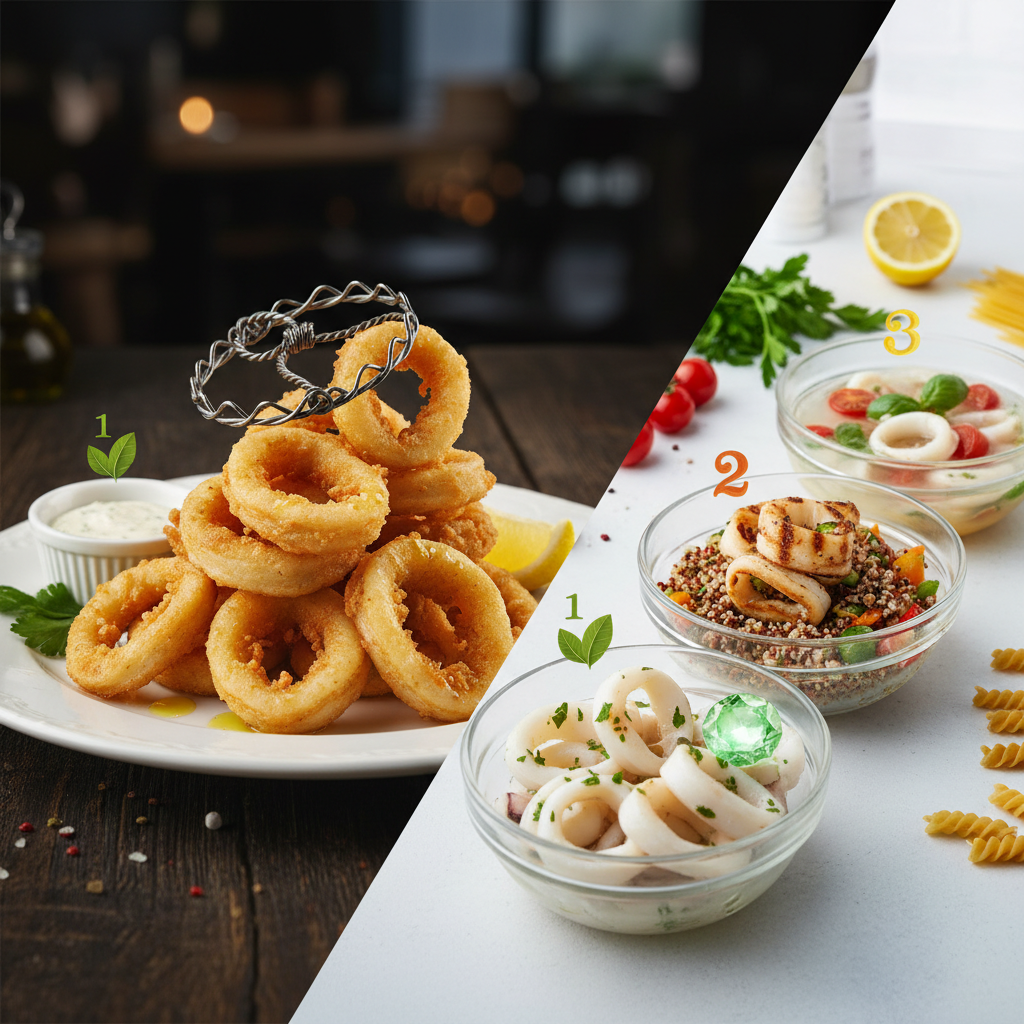
Before the main event, your appetizer choice can set the tone for the entire meal. Instead of fried calamari or a creamy shrimp scampi, opt for something lighter and packed with nutrients that will help fill you up and provide beneficial fiber.
- Go Green: A simple house salad with vinaigrette (ask for dressing on the side!) is a fantastic choice. The fiber and micronutrients can help buffer the richness of the main course. Load up on the veggies.
- Seafood Starter (Grilled, Not Fried): Look for grilled shrimp cocktail, oysters, or a crudo. These offer lean protein and beneficial omega-3s without the heavy fats or carbs.
- Say No to the Bread Basket: That warm, crusty bread with butter can easily add hundreds of empty calories before your meal even arrives. Ask them to skip it, or limit yourself to a single piece.
Strategy 2: Side Dish Savvy
This is where you can make the biggest impact on the overall nutritional profile of your meal. Steer clear of the notoriously heavy options and prioritize fresh, fiber-rich choices.
- Double Down on Greens: Instead of one vegetable side, ask for two! Opt for steamed asparagus, sautéed mushrooms (ask for minimal butter/oil), or plain steamed broccoli. Seriously, ask for *steamed* anything if you can.
- Smart Potato Choices: If you must have a potato, a plain baked potato is often a better choice than mashed or scalloped. Ask for butter and sour cream on the side, and use sparingly. Even better, many steakhouses now offer roasted root vegetables or sweet potatoes without the added sugar.
- Share the Indulgence: If there’s a side you truly can’t resist, like creamed spinach or mac and cheese, order one for the table and have just a small, mindful spoonful. Share the wealth (and the calories!).
Strategy 3: Mindful Main Course
Now for the star. You came for the steak, and you should enjoy it! But you can be strategic here too.
- Choose Wisely: Leaner cuts like filet mignon (tenderloin) or sirloin are generally lower in saturated fat than a prime rib, ribeye, or T-bone. While all cuts have flavor, the marbling (fat) varies.
- Portion Control is Key: You don’t need a 20-ounce steak. Aim for a 6-8 ounce cut. If they only offer larger sizes, consider splitting it with a dining companion. Alternatively, ask for half to be boxed up *before* it even hits the table – out of sight, out of mind!
- Sauce on the Side: Those rich sauces are delicious, but they pack a caloric punch. Ask for any sauces on the side and use them sparingly, perhaps just for dipping a few bites.
- Consider Non-Steak Options: If you’re a seafood lover, many steakhouses offer fantastic grilled fish options (salmon, halibut, sea bass) which are excellent sources of lean protein and omega-3 fatty acids.
The Drink Dilemma
Alcohol, especially sugary cocktails, can add significant empty calories and further burden your liver and digestive system. If you choose to drink, opt for clearer spirits with soda water and a twist of lime, or a glass of dry red wine. And remember, water is your best friend throughout the meal – it aids digestion and can help prevent overeating.
Nuance & Balance: It’s All About the Big Picture
At Seed to Spoon, we believe that health is a journey, not a destination, and it certainly isn’t about perfection. A single holiday steakhouse dinner, even a fully indulgent one, is unlikely to derail months of healthy habits. The real concern comes when these splurges become frequent, or when the overall dietary pattern shifts towards consistent overconsumption of processed foods, unhealthy fats, and sugars.
It’s crucial to acknowledge that enjoyment, social connection, and tradition are vital components of a fulfilling life. Stressing about every single bite can sometimes be more detrimental to your health than the indulgence itself. The key is balance and mindful awareness.
Listen to your body. Pay attention to how different foods make you feel. Do you feel bloated and sluggish after a massive meal, or energized and satisfied after a more balanced one? Use these experiences as data points to inform your future choices.
If you have specific health conditions like heart disease, diabetes, or a sensitive digestive system, always consult with your doctor or a registered dietitian before making significant dietary changes. They can provide personalized advice tailored to your individual needs.
Conclusion: Feast with Knowledge, Not Guilt
That holiday steakhouse dinner isn’t just about the food; it’s about the experience, the company, and the joy of the season. Armed with a little nutritional insight, you can step into that festive environment not with dread or guilt, but with confidence and a smart strategy.
You now know that while a large steak offers valuable nutrients, it can also bring a hefty dose of fat and challenge your digestive system. You’ve uncovered the hidden sugars and inflammatory fats lurking in those tempting side dishes. And most importantly, you have actionable strategies to navigate the menu like a nutritionist, making choices that truly nourish while still allowing you to celebrate.
This holiday season, enjoy that beautiful steak. Savor the atmosphere. But do it with an empowered mindset, making choices that support your body and ensure you feel fantastic, not just for the moment, but for the days to come. After all, the best way to enjoy a celebration is to feel your best throughout it!
Key Takeaways for Your Holiday Steakhouse Dinner:
- Portion Power: Opt for leaner cuts and reasonable portions (6-8 oz). Share if larger cuts are the only option.
- Side Dish Strategy: Prioritize steamed or grilled vegetables and ask for sauces/dressings on the side. Avoid creamy, cheesy, or sugary sides.
- Hydrate Smart: Drink plenty of water throughout your meal to aid digestion and fullness.
- Mindful Eating: Savor each bite, eat slowly, and stop when you’re comfortably full, not stuffed.
- Balance Overall: Remember it’s one meal. Balance it with healthy eating before and after.
FAQ Section
Q1: Is red meat inherently bad for you, especially during the holidays?
A: Red meat, in moderation, is a nutritious food, providing essential iron, B12, and other minerals. The concern arises with excessive consumption, particularly of processed or high-fat cuts, which can contribute to increased saturated fat intake and potential inflammatory responses. For most healthy individuals, an occasional holiday steakhouse dinner is fine, but focus on portion size and balancing it with plenty of plant-based foods in your overall diet. For more, see our article: “The Truth About Red Meat: Good, Bad, or Somewhere In Between?”
Q2: How much protein is too much in one sitting?
A: While individual needs vary, generally, your body can effectively utilize around 20-40 grams of protein per meal for muscle synthesis and satiety. A 6-ounce steak typically contains around 40-50 grams of protein. So, a 12-16 ounce steak can easily double or triple that amount, meaning a significant portion might be converted to glucose or fat, or simply excreted, putting extra strain on your kidneys and liver in the process. Aim for a portion around the size of your palm.
Q3: What are some truly healthy side options I can ask for?
A: Look for options like steamed asparagus, sautéed spinach (ask for it with garlic and oil, not cream), grilled mushrooms, or a simple green salad with a light vinaigrette on the side. Many steakhouses can also prepare roasted root vegetables or a plain baked sweet potato. Don’t hesitate to ask for modifications like “no butter” or “steamed, not sautéed.”
Q4: How can I minimize the “food coma” feeling after a rich meal?
A: The “food coma” is often due to a combination of high-fat, high-carb, and large-portion meals that trigger a significant digestive effort and subsequent blood sugar fluctuations. To minimize it, choose smaller portions, prioritize fiber-rich vegetables, avoid sugary drinks, and eat slowly. A short, brisk walk after your meal can also help with digestion and blood sugar regulation. Check out our guide: “How to Beat the Post-Meal Slump: Your Energy-Boosting Guide”
Q5: Is it okay to have dessert at a steakhouse during the holidays?
A: Yes, absolutely! Enjoying dessert as part of a celebration is perfectly fine. The key is mindfulness. Consider sharing a dessert with others at your table, or opt for a lighter option if available (like fresh berries or sorbet). Savor every bite, and remember that moderation, not deprivation, is the sustainable path to health and happiness.
References
- O’Connor, L. E., et al. (2022). “Red Meat in Global Diets: An Essential Source of Nutrients.” *Nutrients*, 14(12), 2404. Link
- Schwingshackl, L., et al. (2019). “Impact of Different Dietary Fat Types on Blood Lipids: A Systematic Review and Meta-Analysis of Randomized Controlled Trials.” *Nutrients*, 11(1), 163. Link
- Brand-Miller, J. C., et al. (2019). “Glycemic Index and Health: A Review.” *International Journal of Food Sciences and Nutrition*, 70(4), 387-399. Link
- Chow, J., et al. (2020). “Role of Diet in Modulating the Gut Microbiome and Its Impact on Immune System Homeostasis.” *Journal of Clinical Immunology*, 40(1), 1-13. Link
- Minihane, A. M., et al. (2015). “Impact of Diet and Lifestyle on Lipids and Inflammation in Healthy Individuals.” *Journal of Lipid Research*, 56(12), 2217-2234. Link
—
Medical Disclaimer: This article is for informational purposes only and is not intended as medical advice. The information provided has been reviewed by licensed Registered Dietitians but should not replace consultation with a qualified healthcare provider. Individual nutritional needs vary based on age, health status, medications, and other factors. Always consult with your doctor or a registered dietitian before making significant changes to your diet, especially if you have existing health conditions or are taking medications.
Content Review: This article has been reviewed by licensed Registered Dietitians for accuracy and adherence to current nutritional science and evidence-based guidelines.