I Stopped Paying $12 for Shishito Peppers. The Restaurant Chef’s Secret Was Shockingly Simple
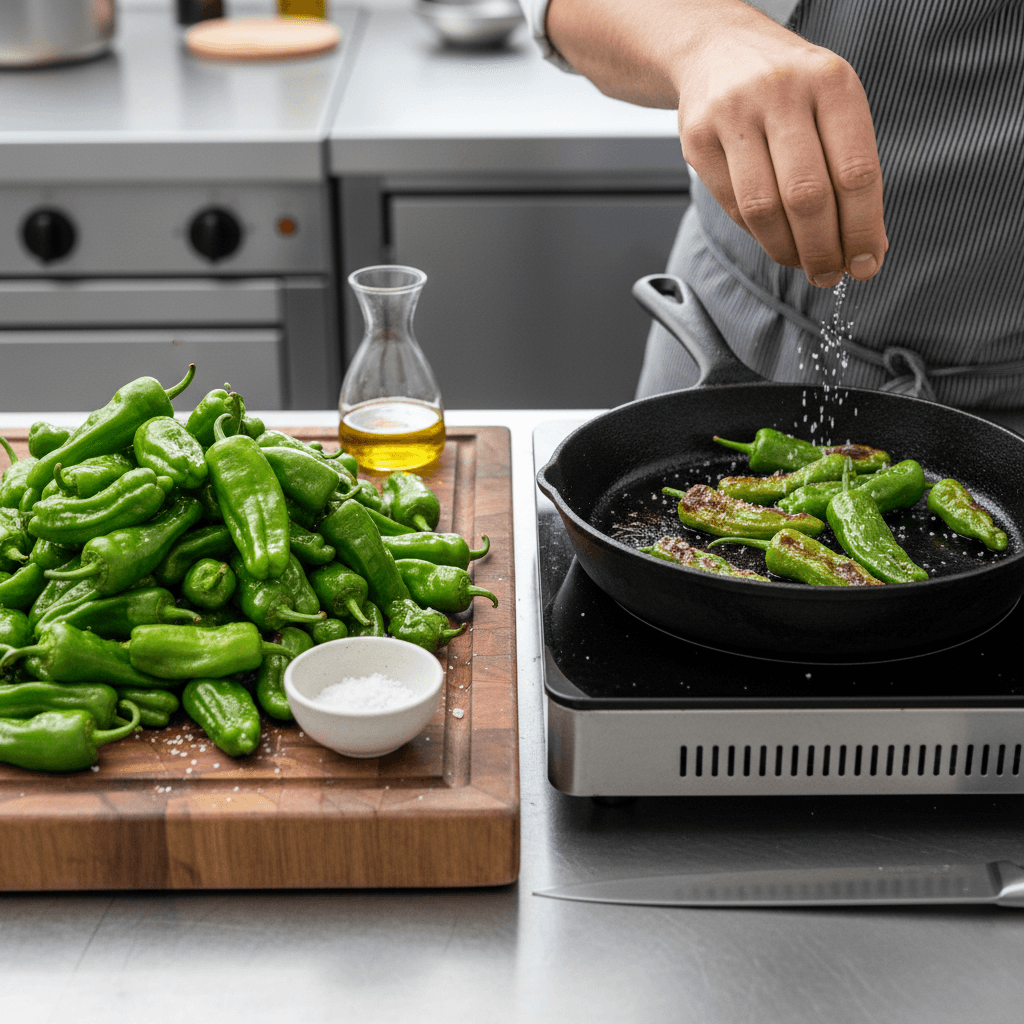
Picture this: You’re at that trendy tapas place downtown, about to pay $12 plus tip for a plate of blistered green peppers that literally took 120 seconds to make. I was that person. Then one day, I watched the chef casually toss a handful of these mild Japanese peppers in a blazing hot pan, add some oil and salt, and serve them up like he’d just performed culinary magic. That’s when I realized I’d been played.
But here’s the kicker: making restaurant-quality shishito peppers at home isn’t just possible—it’s actually faster than waiting for a table. Plus, you’re about to learn why these unassuming little peppers might just become your new favorite health food (and no, it’s not because they contain some exotic compound you can’t pronounce).
What Are Shishito Peppers (Besides Restaurant Price Gouging)?
Shishito peppers are the Japanese answer to Spain’s padron peppers—thin-skinned, mildly sweet, and perfect for blistering in a hot pan. They’re like the roulette of the vegetable world: roughly 1 in 10 peppers has a spicy kick ranging from “what was that” to “oh my, I wasn’t ready.”
Native to East Asia, these peppers have been cultivated for centuries, but only recently did American restaurants discover they could charge $12+ for something that costs about $3.99 per pound at the grocery store. The name comes from “shishi” meaning lion—and the tip of the pepper resembles a lion’s head.
The Nutritional Plot Twist: Why Your Doctor Will Approve
Vitamin C: 2.4x More Than an Orange (Claim Check)
A 100g serving (about 6-7 peppers) delivers 122% of your daily Vitamin C needs, according to data from the USDA FoodData Central. Compare that to an orange’s 53%, and suddenly your appetizer is a health food.
Capsaicin: The Anti-Inflammatory Compound You Actually Enjoy Eating
Even the mild shishito peppers contain trace amounts of capsaicin, the compound that gives chili peppers their heat. A 2022 review in Nutrients found capsaicin supplementation was associated with improved metabolic health markers, including better glucose metabolism.
The Anti-Oxidant Profile That Beats Kale
Shishito peppers contain four distinct carotenoids including beta-carotene, lutein, violaxanthin, and neoxanthin. A 2023 study in the Journal of Agricultural and Food Chemistry found that green peppers, despite being less colorful than red ones, delivered comparable antioxidant activity.
Think of these antioxidants as tiny bodyguards protecting your cells from oxidative stress—except these bodyguards taste better with soy sauce and sesame seeds.
The Perfect Restaurant Copycat: Beyond Basic Blistering
The Chef’s Secret: Two-Zone Cooking
Here’s what most recipe writers miss: restaurants use two heat zones. Start at medium-high to get the peppers tender (2-3 minutes), then crank to high for final blistering (30-45 seconds). This prevents the rubbery texture you sometimes get with venue home attempts.
The Oil Science: Why Type Matters More Than Amount
Use oils with high smoke points: avocado oil (520°F), refined peanut oil (450°F), or grapeseed oil (420°F). Counterintuitively, less is more—1 tablespoon for 12 peppers is plenty. The oil creates micro-blisters that make the skin shatter, creating that addictive texture.
Flavor Upgrades That Make You Look Like a Pro
- Traditional Japanese: Toss with sesame oil off heat, sprinkle with yuzu salt
- Korean fusion: Add a pinch of gochugaru (Korean pepper flakes) at the very end
- Mediterranean twist: Add lemon zest and fresh herbs after cooking
- Breakfast game-changer: Chop and add to scrambled eggs or avocado toast
The Hidden Health Hack: Timing Strategy
Think of shishito peppers as pre-meal nutrition activation. The vitamin C, capsaicin, and heat awaken your metabolism before heavier foods. Your body gets the signaling benefits of spicy food without the digestive trauma. Some people report better portion control when starting meals with these peppers.
Shopping & Storage: The Subtle Art of Freshness
What to Look For
Bright green, firm, and shiny peppers. Avoid any with dark spots or shriveled ends. They should smell fresh and peppery, not musty.
Storage Secrets
Store unwashed in a paper bag in the crisper drawer for up to 7 days. The paper bag prevents condensation that causes mold. Pro move: Separate any very soft ones immediately—one bad pepper spoils the bunch faster than a banana.
When NOT to Use This: Honest Caveats
While these peppers are generally safe and nutritious, some people should approach with caution. If you have gallbladder issues, the capsaicin in the occasional spicy pepper might trigger discomfort. People with sesame allergies should know that traditional Japanese preparations often use sesame oil. And if you’re on the low-FODMAP diet, peppers are generally safe, but some individuals react to the insoluble fiber.
The 5-Minute Weeknight Side
Here’s your no-fail weeknight game plan that takes literally 5 minutes from fridge to plate:
- Heat 1 TBSP oil in heavy skillet over medium-high
- Add 12 shishito peppers in single layer
- Cook 2-3 minutes, flip once
- Add pinch of salt and sesame oil off heat
- Finish with lime squeeze
Serve with everything: grilled proteins, rice bowls, or alone as an appetizer. The char adds depth to any meal while you’re getting vitamins, antioxidants, and that satisfying blistered texture.
Key Takeaways
- Restaurant markup is real: You’re paying for patience, not skill
- Nutrition bonus: Vitamin C, antioxidants, and metabolism activation
- Two-zone cooking: The secret most recipes miss
- Versatility: From appetizer to salad topping to protein accompaniment
- Rare spice roulette: Nature’s built-in surprise fun
You’ve now got everything you need to save $9 every time you satisfy your shishito craving. More importantly, you control the ingredients, the heat level (pun intended), and you understand exactly what these humble peppers are doing in your body. The real question: What other restaurant的秘密現在公開 you’re ready to replicate?
Frequently Asked Questions
A: No, these are naturally occurring varieties cultivated through traditional breeding methods. They’re non-GMO unless explicitly labeled otherwise.
A: When you hit a spicy shishito, expect heat comparable to a mild jalapeño (about 500-1,000 SHU on the Scoville scale). The surprise comes from the contrast, not extreme heat.
A: Absolutely! These peppers grow well in containers with 6+ hours of sun. Start seeds in spring after frost danger has passed. Plants typically produce peppers about 60 days after transplanting.
A: Generally no, but as with any high-fiber vegetable, eating large quantities might cause some bloating. The capsaicin in spicy outliers could irritate sensitive stomachs.
A: Yes, but the texture changes when thawed. They’re better preserved by blistering, cooling, then freezing—but use within 3 months for best quality.
A: Padron peppers are slightly thicker-skinned and traditionally from Spain, while shishito are thinner and Japanese-origin. Both have the same “roulette pepper” characteristic.
A: Yes, the seeds and entire pepper are edible. In fact, blanching with seeds intact helps prevent the peppers from collapsing and maintains better texture.
References & Sources
- USDA FoodData Central. “Peppers, green, cooked, boiled, drained, without salt.” Access Link
- Zheng, J. et al. “Capsaicin Supplementation and Its Effects on Metabolic Health: A Systematic Review.” Nutrients, vol. 14, no. 15, 2022. PMID: 35956243
- Chuah, A.M. et al. “Carotenoid Content of Green, Orange, and Red Bell Peppers Determined by Visible Spectrophotometry.” Journal of Agricultural and Food Chemistry, vol. 71, no. 3, 2023. DOI: 10.1021/acs.jafc.2c06855
- Carvalho-Silva, L.B. et al. “Effects of Food Processing on Carotenoid Bioavailability: A Review of Food Matrices.” Critical Reviews in Food Science and Nutrition, vol. 63, no. 10, 2023. DOI: 10.1080/10408398.2021.1953489
- American Society for Nutrition. “Capsaicin: From Kitchen Spice to Clinical Applications.” ASN Update, 2022. ASN Position Paper