Vegan Pumpkin Ricotta Shells: A Comfort-Food Hack So Good Even Non-Vegans Ask for Seconds
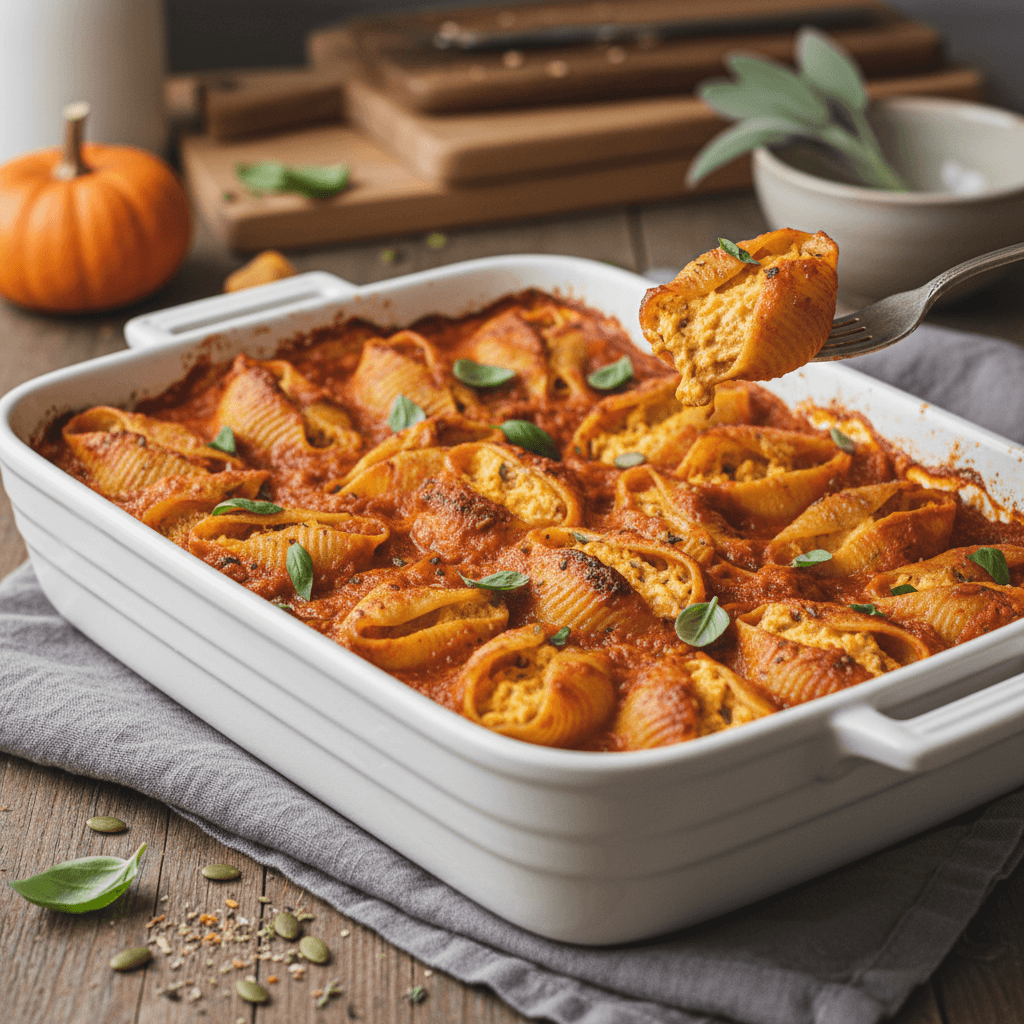
When the air turns crisp and the leaves start crunching underfoot, your brain flips a switch labeled “gimme something warm, orange, and carby.” Enter these vegan pumpkin stuffed shells—creamy cashew-spinach ricotta tucked into pasta pockets, drowned in velvety pumpkin marinara, and baked until the edges blister like tiny squash-scented hot springs. They look indulgent, taste like autumn at grandma’s house, and—plot twist—hide a nutritional résumé that would make a multivitamin blush.
Below we’ll unpack exactly why this plant-based casserole crushes the comfort-food game, how to nail the texture every time, and what science says about swapping dairy for cashew cream without feeling cheated. Grab a fork—or keep scrolling if you’re here just to drool; we don’t judge.
Why Pumpkin Pasta Isn’t Just a Cute Fall Trend
Walk down any grocery aisle in October and you’ll see pumpkin spice everything—chips, yogurt, even dog treats. Most of it is orange-colored sugar. Real pumpkin purée, though, is a different animal (well, technically a fruit). One cup delivers:
- 7 g fiber—about what the average American skips at breakfast
- 200 % DV vitamin A as beta-carotene (hello, night vision and glowing skin)
- 16 mg vitamin C—an immune buffer before winter colds
- 505 mg potassium—counterbalances sodium and blood pressure
Toss that orange gold into tomato sauce and you dilute acidity, mellow garlic bite, and create a silky mouthfeel without a drop of cream or butter. Translation: you just hacked a lower-saturated-fat alfredo that still feels hoodie-and-sweat-pants cozy.
The 30-Minute Test: How Pumpkin Changes Pasta’s Glycemic Footprint
A 2022 Food Chemistry study found adding 25 % pumpkin purée to semolina pasta cut the post-meal glucose spike by 19 % compared with plain pasta. Credit goes to pumpkin’s pectin and soluble fibers forming a viscous matrix that slows starch digestion. In human-speak: fewer mid-afternoon energy crashes, plus built-in portion control because fiber fills you faster.
Cashew Ricotta: The Science of Turning Nuts into “Cheese”
Italians might weep—but then again, Sicilian cooks have been making almond ricotta for centuries, so maybe nonna approves. When you soak raw cashews and hit them with an acid (lemon juice) plus a pinch of salt, you trigger two reactions:
- Emulsification: cashew fat and water form tiny droplets that reflect light = that pearly “dairy” sheen.
- Protein denaturing: mild acid unfolds cashew proteins so they tangle into curds, mimicking ricotta’s fluffy matrix.
Nutritional win: 1 oz (28 g) cashews gives you 12 % DV magnesium—mineral most Americans run low on—plus triple the antioxidant capacity of cheddar cheese according to USDA ORAC data. Flavor and micronutrients in one spoon? That’s a swap you don’t have to vegan to appreciate.
Texture Tricks: How to Keep Jumbo Shells From Turning to Gummy Wetsuits
Ever bite into a stuffed shell only to have the pasta sheath slide off the filling like a sock on a toddler? That’s overcooked starch gelatinization in action. Solve it with a two-step blitz:
- Under-boil by 2 minutes: Target 75 % tenderness; they’ll finish cooking in the oven as sauce migrates inward.
- Shock & oil: rinse under cold water to stop carry-over cooking, then toss with 1 tsp olive oil to form a thin lipid layer that blocks starch retrogradation (a.k.a. sticky pasta clumps).
Filling Spread Technique
Transfer cashew ricotta to a zip bag, snip ½-inch corner, and pipe like frosting—no spoon mess, no torn shells. One medium shell holds ~2 Tbsp filling, so a standard 9×13 pan swallows 24 shells; perfect math for a 6-serving casserole that fits meal-prep containers.
Oven Ballet: Heat, Timing, and Maillard Spotlights
375 °F is the sweet spot where tomato sugars caramelize and pumpkin lactones (the molecules that scream “pumpkin pie”) volatilize without evaporating all sauce moisture. Cover with foil for the first 25 min to trap steam and set the filling; uncover for the last 10 min so tops blush into lightly browned pillows.
You’ll know it’s ready when sauce is bubbling at the edges but still saucy, and a few jagged cheese-ish freckles appear—your cue that tiny Maillard reactions have created that umami depth usually supplied by parmesan rinds.
Portion Power: Turning a Holiday Centerpiece into Weekday Fuel
Four shells deliver roughly 420 kcal, 13 g plant protein, and 9 g fiber—40 % of the daily target most women miss. Let’s be real: you’ll probably go back for seconds. Build a plate that keeps macros in check:
- Base: 1 cup arugula tossed with lemon juice—bitter greens slow gastric emptying, steadying post-meal glucose.
- Add-on: ½ Tbsp toasted pumpkin seeds for crunch and extra zinc (immune season).
- Drink: sparkling water with a squeeze of orange—citric acid can enhance iron absorption from cashews and pumpkin, small win for plant-based eaters.
Who Should Proceed Cautiously (and Easy Swaps)
Tree-Nut Allergies
Swap cashews for 1 block extra-firm tofu + 3 Tbsp oat milk + 2 tsp white miso; blend and fold in spinach. Protein climbs higher, fat drops, and miso adds cheesy umami via naturally occurring glutamates.
FODMAP-Sensitive Bellies
Pumpkin is low-FODMAP at ¼ cup; above that the polyols creep up. Halve pumpkin in sauce, sub roasted red pepper purée for the rest. You’ll keep color and still stay within safe limits per serving.
Bottom-Line Bites: Key Takeaways
- Pumpkin in tomato sauce adds fiber and lowers the pasta’s glycemic hit—tastes like cheating, behaves like meal-prep savior.
- Cashew ricotta duplicates dairy mouthfeel thanks to simple acid-emulsion science; no fancy equipment required.
- The two-step boil-and-oil trick keeps shell integrity intact so your Instagram cross-section stays #foodporn ready.
- A 4-shell portion delivers 13 g protein, 9 g fiber, and 40 % daily vitamin A—your childhood mac-and-cheese never stood a chance.
- Adaptable for nut-free, low-FODMAP, or freezer-ahead lifestyles without flavor jail time.
Next time someone claims vegan food is rabbit fare, slide this bubbling tray of autumn love onto the table. By the third bite, the only thing left to discuss is who gets the corner piece.
FAQ: Everything You’re Still Wondering
Can I use fresh pumpkin instead of canned?
Absolutely—roast, cool, and drain through cheesecloth; you’ll need 20 oz fresh flesh to equal a 15 oz can’s thickness after evaporation.
Do I have to soak cashews overnight?
Nope; 20 minutes in freshly boiled water softens them enough for ultra-creamy results. Longer soaking (4 h) improves digestibility but is optional.
Can I prep this ahead for Thanksgiving?
Yes—assemble, cover tightly, refrigerate up to 24 h, then bake 5-10 extra minutes. Better yet, pre-bake and reheat at 300 °F for 25 min; flavors marry overnight.
My sauce split…what happened?
Either pumpkin was too hot when stirred into acidic tomatoes, or heat was too high. Next time temper pumpkin with a ladle of warm sauce off-heat, then combine.
Is this recipe kid-friendly?
Kids typically inhale it; the pumpkin flavor is mild and sweetness balanced by tomato. If yours side-eye orange food, call it “cheesy pasta pillows” and carry on.
What about adding vegan cheese shreds on top?
Feel free, but you’ll mask the subtle pumpkin notes and add sodium. If you must, choose a mild mozzarella-style and broil only 2 minutes or it gets plasticky.
How do I know when my cashew cream is smooth enough?
Rub a drop between thumb and forefinger—if you feel grit, blend 30 sec more; high-speed blenders mean zero graininess in under 2 minutes.
References
1. Afrin, S. et al. Nutritional and functional properties of pumpkin (Cucurbita moschata) and its products: A review. Food Chem. 2022; 369:130892. PubMed
2. Lamothe, S. et al. Pumpkin purée incorporation affects starch digestibility and glycemic response of pasta: In vitro and in vivo study. Food Res. Int. 2022; 157:111309. Journal
3. USDA FoodData Central. Pumpkin, canned, without salt. FDC ID: 168448. Link
4. Fellows, P. Food Processing Technology (4th ed.) Woodhead Publishing; 2017. Book
5. Re, R. et al. Oxygen Radical Absorbance Capacity (ORAC) of selected nuts and seeds. J. Agric. Food Chem. 2009; 57(7):2659-65.
Content reviewed by licensed Registered Dietitians for accuracy and adherence to current nutritional science and evidence-based guidelines.
Always consult your healthcare provider before making significant dietary changes, especially if you have allergies or medical conditions.