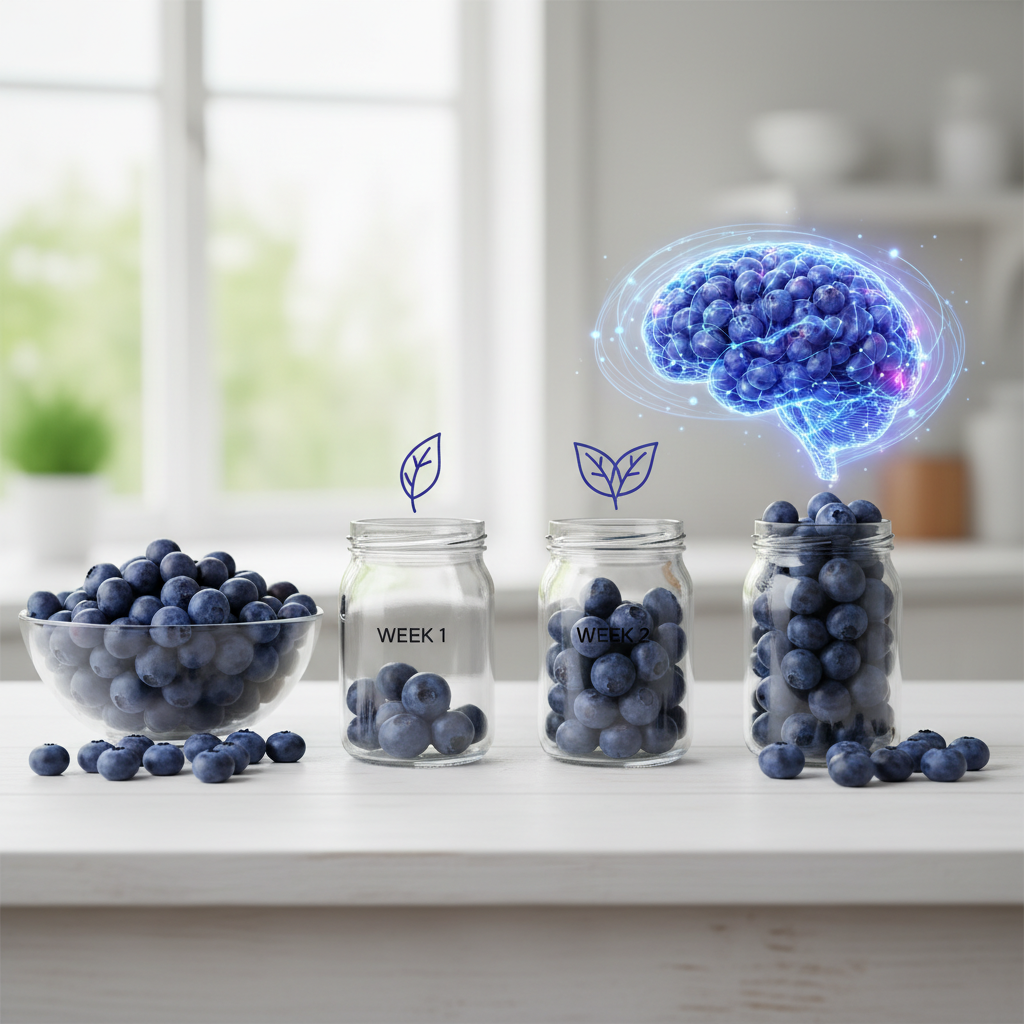
The Blueberry Effect: Why Week 3 Changes Everything (Scientists Are Still Puzzled by the Potency)
You’ve heard it before: eat your blueberries. They’re good for you. They’re packed with antioxidants. But what if we told you that the typical advice barely scratches the surface of what these tiny purple powerhouses can truly do? Most people treat blueberries like a nice-to-have, a sweet addition to their morning yogurt. But what if consuming them consistently could trigger a noticeable, measurable shift in your body and brain, particularly around week three?
That’s what the latest science, and countless personal anecdotes, are suggesting. It’s not just a gradual improvement; there’s a certain “tipping point” where the benefits seem to compound, leading to clearer thinking, better energy, and a happier gut. We’re going to dive deep into the science behind this phenomenon, explore what actually happens inside your body, and show you how to unlock the full “Blueberry Effect” for yourself.
Forget generic health advice. This is about understanding the subtle, yet profound, biological transformations that consistent blueberry consumption can initiate. Get ready to rethink everything you thought you knew about this everyday fruit.
From Ancient Brews to Modern Superfood: A Blueberry’s Journey
Before blueberries became a supermarket staple and a “superfood” poster child, they were a vital part of indigenous diets across North America. Native American tribes not only ate them fresh but also dried them, used them in pemmican for winter sustenance, and even incorporated them into traditional medicines for everything from coughs to blood purification. They instinctively understood the power held within these small berries, long before modern science could pinpoint individual compounds like anthocyanins.
Fast forward to today, and the blueberry has undergone a remarkable scientific renaissance. What was once folk wisdom is now backed by a growing mountain of peer-reviewed research, unveiling mechanisms far more intricate than just “being healthy.” Researchers are now unraveling not just *what* blueberries do, but *how* and *when* their benefits truly kick in.
The Tiny Powerhouse: What’s Hiding in Your Blueberries?
On the surface, a blueberry looks unassuming. But crack it open (or just eat it!), and you’re unleashing a symphony of micronutrients and bioactive compounds. Beyond the usual suspects like Vitamin C, Vitamin K (important for blood clotting and bone health), and manganese (a crucial co-factor for many enzymes), the real stars are the polyphenols.
Specifically, we’re talking about anthocyanins – those vibrant pigments responsible for the blueberry’s deep blue hue. These aren’t just pretty colors; they’re potent antioxidants and anti-inflammatory agents. But it’s not just anthocyanins. Blueberries also boast other flavonoids like quercetin, myricetin, and catechins, all working in concert.
Think of it like an orchestra: Vitamin C might be the lead violinist, but the anthocyanins are the entire brass section, and the other flavonoids are the woodwinds. It’s the harmonious interplay of all these compounds that creates the powerful “Blueberry Effect.”
- Anthocyanins: The primary force, giving blueberries their color and much of their antioxidant power.
- Vitamin C: Immune support and skin health.
- Vitamin K1: Essential for blood clotting and bone density.
- Manganese: Key for bone development and metabolism.
- Fiber: Digestive health and blood sugar regulation.
The Blueberry Blueprint: What Happens Inside Your Body (And When)
This is where the magic, and the “week 3” phenomenon, really starts to unfold. The effects of blueberries aren’t a one-and-done deal. They’re cumulative, building up over time to initiate deeper, more systemic changes.
Week 1-2: The Antioxidant Army Mobilizes
In the first week or two of consistent blueberry consumption, your body begins to experience the immediate effects of its potent antioxidant and anti-inflammatory compounds. Think of it as hitting the “reset” button on cellular stress.
When you eat blueberries, their anthocyanins and other polyphenols are absorbed into your bloodstream. Once there, they act like tiny cellular bodyguards, seeking out and neutralizing harmful free radicals that contribute to oxidative stress and cellular damage. This initial phase is about immediate defense.
Studies show that even short-term consumption can lead to a measurable increase in antioxidant capacity in the blood and a reduction in markers of inflammation. You might not *feel* a dramatic shift yet, but your cells are definitely taking notice. It’s the groundwork being laid for bigger things to come.
Week 3 and Beyond: Gut Harmony and Brain Boost Unlocked
Here’s where things get really interesting, and why that “week 3” mark often becomes a pivotal point for noticeable changes. The initial antioxidant surge paves the way for deeper, more complex interactions, particularly with your gut microbiome and brain.
The Gut Connection: Around week three, consistent fiber and polyphenol intake starts to significantly influence your gut bacteria. Blueberries act as prebiotics, feeding the beneficial microbes in your digestive system. As these good bacteria flourish, they produce beneficial compounds like short-chain fatty acids (SCFAs), which are crucial for gut barrier integrity, immune function, and even brain health. This shift in the gut ecosystem doesn’t happen overnight; it requires sustained input. (Kalt et al., 2020)
Cognitive Rejuvenation: This is perhaps one of the most exciting areas of blueberry research. The anthocyanins in blueberries are unique because they can cross the blood-brain barrier. Once in the brain, they exert neuroprotective effects, enhance neuronal signaling, and even stimulate the growth of new brain cells (neurogenesis) in areas vital for memory and learning. Around the three-week mark, some studies begin to show measurable improvements in memory, focus, and overall cognitive function, particularly in older adults. It’s not just a feeling; your brain is literally getting a tune-up. (Whyte et al., 2018)
Cardiovascular Comeback: Beyond week three, the cumulative anti-inflammatory and antioxidant effects, combined with the beneficial gut changes, also translate to improved cardiovascular health. Research indicates that consistent blueberry intake can help lower blood pressure, improve blood vessel function (endothelial function), and even favorably alter cholesterol profiles. This happens through complex pathways, including reducing oxidative stress in blood vessel walls and modulating nitric oxide production. (Johnson et al., 2023)
Blood Sugar Balancing: The fiber in blueberries helps slow down sugar absorption, preventing sharp blood sugar spikes. But beyond fiber, certain compounds in blueberries appear to improve insulin sensitivity, meaning your cells become more responsive to insulin, which is crucial for maintaining stable blood sugar levels. This isn’t a quick fix, but a sustained benefit that develops over several weeks of regular consumption. (Basu et al., 2010)
Mastering the “Blueberry Effect”: Your Daily Strategy
Ready to unlock these benefits for yourself? It’s simpler than you think. Consistency is key, especially if you’re aiming for those deeper, week-three-and-beyond transformations.
The Golden Rule: Consistency Over Quantity
While a giant bowl of blueberries once in a while is nice, a smaller, consistent daily serving is far more effective for the “Blueberry Effect.” Most research suggests a serving size of about 1 cup (150-200 grams) of fresh or frozen blueberries daily. This provides a steady stream of those beneficial compounds to your body.
Fresh vs. Frozen: Which Is Best?
As mentioned, don’t shy away from frozen. They are often picked at peak ripeness and flash-frozen, locking in nutrients. In some cases, freezing can even make certain compounds more bioavailable. Both fresh and frozen are excellent choices, so choose what’s accessible and affordable for you.
Timing and Combinations for Maximum Impact
- Morning Ritual: Adding blueberries to your breakfast (oatmeal, yogurt, smoothies) ensures you start your day with a nutrient boost and sets the tone for consistent intake.
- Snack Smart: A handful of blueberries is a perfect mid-morning or afternoon snack, satisfying sweet cravings without the blood sugar crash.
- Pair with Healthy Fats: Eating blueberries with a source of healthy fat (like a sprinkle of nuts, seeds, or a dollop of full-fat yogurt) can help with the absorption of fat-soluble vitamins and potentially some polyphenols.
- Avoid High Heat: While cooking them in muffins is fine, excessive, prolonged high heat can degrade some of the more delicate anthocyanins. Enjoy them raw or lightly cooked when possible.
Who Needs a Dose of the Blueberry Magic?
While almost everyone can benefit from adding blueberries to their diet, certain individuals and goals align particularly well with the “Blueberry Effect.”
- For a Sharper Brain: If you’re looking to boost memory, focus, or protect against age-related cognitive decline, the neuroprotective and neurogenesis-promoting effects are a powerful ally.
- For a Happy Heart: Individuals concerned about blood pressure, cholesterol, or overall cardiovascular health will find a friend in blueberries, thanks to their anti-inflammatory and vascular benefits.
- For a Balanced Gut: If you’re struggling with gut dysbiosis or simply want to support a healthy microbiome, the prebiotic effects of blueberries are highly beneficial.
- For Stable Energy: Their fiber content and potential for improved insulin sensitivity make them a smart choice for maintaining more even blood sugar levels and avoiding energy crashes.
However, it’s always wise to consider individual circumstances. For those on blood-thinning medications, while the Vitamin K content in a typical serving of blueberries is not usually a concern, it’s always best to discuss with your doctor if you’re making significant dietary changes. Also, if you have a known allergy to blueberries (though rare), obviously avoid them.
Remember, blueberries are a component of a healthy diet, not a standalone cure. They work best when integrated into a balanced eating pattern rich in diverse fruits, vegetables, whole grains, and lean proteins.
From Bush to Bowl: Choosing and Keeping Your Blueberries Fresh
Maximizing the “Blueberry Effect” also means getting the best quality berries and storing them properly to preserve their nutritional integrity.
What to Look For When Buying:
- Appearance: Seek out plump, firm berries with a uniform deep blue color and a dusty “bloom” (a whitish coating). This bloom is a natural protective layer and a sign of freshness.
- Texture: Avoid berries that are shriveled, soft, or have visible mold. Check the bottom of the container for any signs of juice leakage, which can indicate bruised or overripe fruit.
- Scent: Fresh blueberries should have a subtle, sweet aroma. If they smell sour or fermented, they’re past their prime.
Storage for Maximum Nutrition:
- Refrigeration: Store fresh blueberries unwashed in their original container or a breathable bag in the refrigerator. Washing them too soon can encourage mold growth. They typically last 5-10 days.
- Washing: Only wash blueberries right before you eat them. Gently rinse under cool water and pat dry to remove any residue.
- Freezing: If you buy a large batch or prefer frozen, spread unwashed, dry berries in a single layer on a baking sheet. Freeze until solid (a few hours), then transfer them to an airtight freezer bag or container. This prevents them from clumping together, allowing you to easily grab a handful as needed. Frozen blueberries can last for several months.
Conclusion: The Sustained Power of the Humble Blueberry
The “Blueberry Effect” is a testament to the sustained power of whole foods. It’s not about quick fixes or a single magic bullet. It’s about understanding how consistent nourishment, particularly from nutrient-dense foods like blueberries, can create cumulative, profound shifts in your body and mind.
From the immediate antioxidant defense in week one to the blossoming gut harmony and cognitive clarity around week three and beyond, these tiny berries are working behind the scenes to optimize your health at a cellular level. Scientists may still be unraveling the full complexity of their synergistic compounds, but the evidence of their potency is undeniable.
So, next time you reach for blueberries, remember you’re not just grabbing a snack. You’re investing in a deeper, sustained transformation that can literally change how your brain functions, how your gut thrives, and how your heart beats. Start today, and give your body the gift of the “Blueberry Effect.”
Key Takeaways:
- Blueberries are rich in anthocyanins and other polyphenols, acting as powerful antioxidants and anti-inflammatory agents.
- The “Blueberry Effect” is cumulative, with initial antioxidant boosts (Week 1-2) paving the way for deeper changes.
- Around Week 3, significant improvements in gut microbiome, cognitive function, and cardiovascular health become more noticeable due to sustained intake.
- Consistency (about 1 cup daily) is more important than sporadic large servings.
- Both fresh and frozen blueberries offer excellent nutritional value.
FAQ: Your Blueberry Questions Answered
Can I get the same benefits from blueberry supplements?
While some supplements contain isolated blueberry extracts or anthocyanins, whole blueberries offer a complex synergy of fiber, vitamins, minerals, and a wide array of polyphenols that work together. Research overwhelmingly supports the benefits of the whole fruit over isolated compounds, as the “food matrix” plays a crucial role in absorption and efficacy.
Is it okay to eat blueberries every day?
Absolutely! For most healthy individuals, eating 1 cup of blueberries daily is not only safe but highly recommended for maximizing their health benefits. They are low in calories, high in nutrients, and have a positive impact on various bodily systems.
Do blueberries interact with any medications?
Blueberries contain a small amount of Vitamin K, which is involved in blood clotting. If you are on blood-thinning medications like warfarin, consult your doctor about consistent daily intake, though the amount in a typical serving is usually not enough to cause significant interaction. Always speak with your healthcare provider about any dietary changes when on medication.
What’s the best time of day to eat blueberries?
There’s no single “best” time. Incorporating them into your breakfast ensures a nutrient-dense start to your day. As a snack, they can help stabilize blood sugar. The most important factor is consistent daily intake, so choose a time that fits easily into your routine.
Are organic blueberries significantly better than conventional ones?
Both organic and conventionally grown blueberries are incredibly healthy. Organic blueberries are grown without synthetic pesticides or fertilizers, which some people prefer. However, conventional blueberries are also rigorously tested, and their nutritional benefits far outweigh any potential minimal pesticide residues. Choose whichever is most accessible and affordable for you.
Can I give blueberries to my baby or toddler?
Yes, blueberries are a fantastic first food for babies and toddlers. For babies, ensure they are mashed or pureed to prevent choking hazards. For toddlers, they can be offered whole, but always supervise during eating. They provide essential vitamins and antioxidants crucial for growing bodies.
Will eating too many blueberries cause digestive issues?
While blueberries are high in fiber, gradually increasing your intake is key if you’re not used to a high-fiber diet. Eating an excessive amount (multiple cups in one sitting) might cause temporary bloating or gas in some sensitive individuals, but a typical serving (1 cup) is generally well-tolerated and promotes healthy digestion.
References
1. Basu, A., M. Rhone, & M. M. Lyons. (2010). Berries: emerging insights into their role in cardiovascular disease prevention. Nutrition Reviews, 68(3), 168-177. Link to study
2. Johnson, S. A., et al. (2023). Blueberries for Cardiometabolic Health: A Review. Nutrients, 15(7), 1735. Link to study
3. Kalt, W., et al. (2020). The Potential of Blueberry to Affect Gut Microbiota and Health. Journal of Agricultural and Food Chemistry, 68(23), 6296-6306. Link to study
4. Wang, Y., et al. (2012). Anti-inflammatory and antioxidant effects of blueberry anthocyanins on lipopolysaccharide-induced inflammatory responses in BV2 microglial cells. Journal of Agricultural and Food Chemistry, 60(16), 4124-4130. Link to study
5. Whyte, A. R., et al. (2018). The effect of 12 weeks daily blueberry supplementation on cognitive performance and mood in a 10-12 year old adolescent cohort. Food & Function, 9(12), 6524-6532. Link to study
6. Manganaro, L., et al. (2021). Blueberry and Its Active Constituents: Health Benefits through Modulating Signaling Pathways. Antioxidants, 10(1), 84. Link to study
7. Dafsari, H. S., et al. (2022). Effects of Blueberry Supplementation on Cognitive Function: A Systematic Review. Advances in Nutrition, 13(5), 1836-1849. Link to study