The IBS Paradox: Why Many Would Trade Years of Life for Relief (And The Gut-Brain Secret Doctors Missed)
Imagine living with a condition so debilitating, so deeply disruptive, that you’d willingly give up a decade or more of your life just for an instant cure. For nearly 2,000 people living with Irritable Bowel Syndrome (IBS), this isn’t a hypothetical thought experiment; it’s a stark reality.1 Some surveys even reveal that people with IBS would take a medicine with a one percent risk of sudden death if it promised to silence their symptoms—the urgent, unpredictable bouts of diarrhea, gas, persistent constipation, and abdominal pain often described as worse than childbirth.2,3
This isn’t just about discomfort; it’s about a life dictated by bathroom availability, a pervasive dread known as gastrointestinal-specific anxiety. It’s the silent reason many with IBS report a worse quality of life than those with heart disease, diabetes, or even end-stage kidney disease.4 It siphons concentration, interrupts sleep, destroys productivity, and isolates individuals from social gatherings, restaurants, and even public exercise.
If this sounds all too familiar, or if you know someone struggling, know this: you have options. We’re here to peel back the layers of misunderstanding surrounding IBS and equip you with science-backed strategies that can prevent flare-ups, calm that gnawing anxiety, and help you reclaim your life. Get ready to discover the true nature of IBS, understand what your body is trying to tell you, and unlock five evidence-based lifestyle changes that can bring profound relief.
IBS: Not “All in Your Head” (The Gut-Brain Secret Revealed)
For decades, when doctors couldn’t find visible damage or infection, IBS was often dismissed as “purely psychological.” It was frustrating, invalidating, and frankly, wrong. Thankfully, science has caught up, revealing a much more nuanced truth. Sometimes called a “spastic colon,” IBS is now understood as a functional neuro-gastrointestinal disorder.5
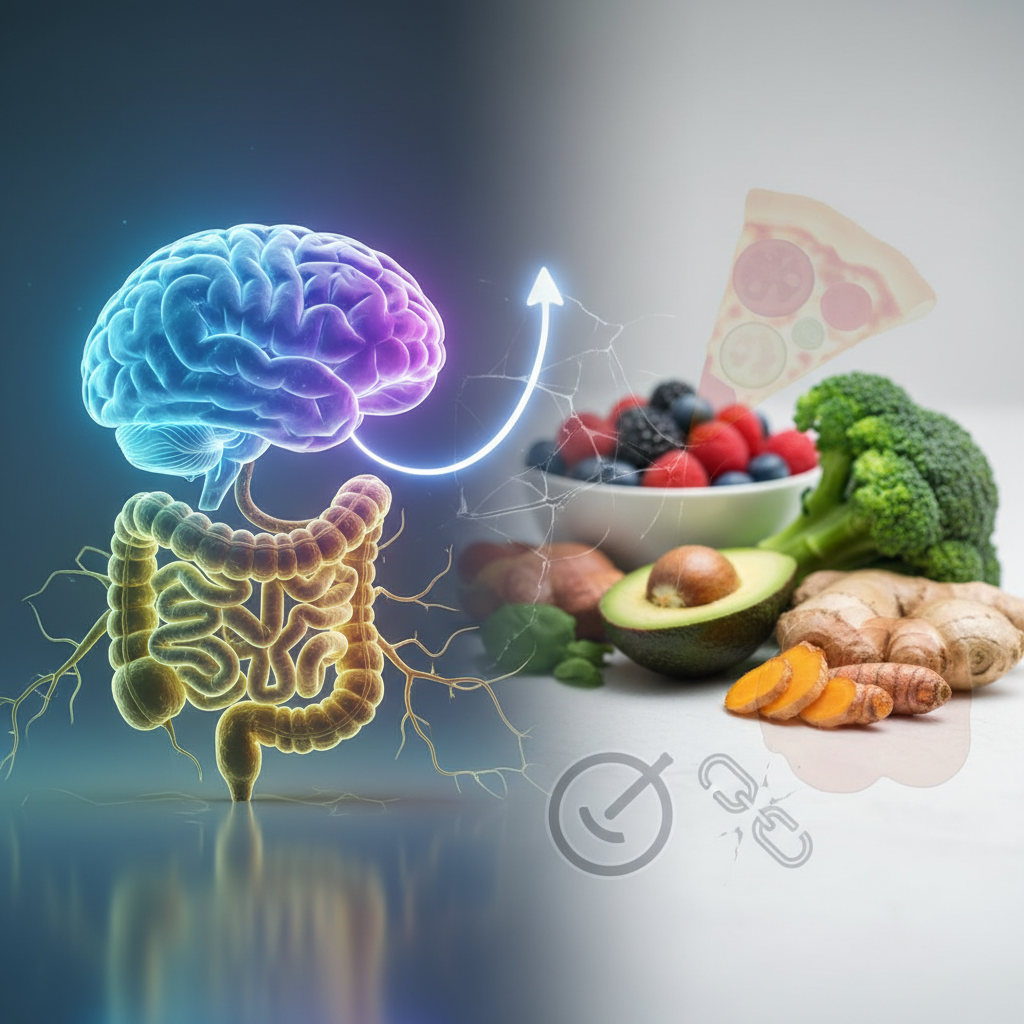
Think of your gut and brain as two highly complex, constantly chattering friends. In IBS, this conversation gets… well, a little garbled. The nerves connecting your digestive tract and your brain aren’t communicating optimally, leading to a cascade of issues. Your brain might receive amplified pain signals from processes other people wouldn’t even notice, or your gut muscles might contract too forcefully (hello, gas and diarrhea) or not enough (cue, constipation).
This isn’t about imaginary pain; it’s about a very real, very physical malfunction in the communication highway between your gut and your brain. And understanding this connection is the first step toward finding relief.
What Does IBS Feel Like? A Symphony of Symptoms
IBS symptoms are as varied as the people who experience them, often appearing, disappearing, and reappearing with startling unpredictability. You might experience months of calm, only for a severe flare-up to hijack your day (or week). Here’s a look at the common culprits:
- Abdominal Pain and Cramping: Often relieved after a bowel movement, but intensely uncomfortable beforehand.
- Stool Irregularities: This is a big one. It could be persistent diarrhea (IBS-D), chronic constipation (IBS-C), or a frustrating alternation of both (IBS-M).
- Excessive Gas and Bloating: That feeling of being visibly distended, even after a small meal.
- Mucus in Stools: A common but often alarming symptom.
- Incomplete Bowel Movements: The sensation that you just “couldn’t quite get everything out.”
No two IBS journeys are identical, making diagnosis and management a personalized quest. But what exactly triggers this gut-brain miscommunication?
The Whisper of Why: Unpacking IBS Causes
Researchers are still piecing together the complete puzzle of IBS, but two leading theories offer powerful insights into its origins:
The Hypersensitive Nerve Theory: Imagine your gut nerves are like overzealous alarm systems. In people with IBS, these nerve endings may be unusually sensitive. So, while tiny gas bubbles might go unnoticed by someone else, for you, they could trigger intense, debilitating pain. These overreactive nerves can also cause your GI muscles to contract too forcefully (leading to rapid transit and diarrhea) or too sluggishly (causing slow transit and constipation).
The Gut Microbiome Disturbance Theory: Your gut is home to trillions of bacteria, a bustling inner ecosystem called the microbiome. When this delicate balance is disrupted, things can go awry. This theory helps explain why some individuals develop IBS symptoms after a severe gastrointestinal illness like Norovirus, suggesting that an initial “hit” to the gut can leave lasting ripples in its microbial harmony.
Navigating the Diagnosis: What Your Doctor Needs to Know (and What Your Poo Tells You)
If you suspect IBS, the very first step is to consult a credentialed health professional. Why? Because IBS symptoms can mimic other serious conditions—infections, inflammatory bowel diseases, celiac disease, certain cancers, and food allergies. It’s crucial to rule these out first.
Seek immediate medical attention if you notice any of these symptoms:
- Rapid, unintentional weight loss
- Rectal bleeding, blood in stools, or vomiting blood
- Bouts of diarrhea that disturb sleep
- Diarrhea with fever
- Continuous, severe abdominal pain
- A sudden onset of GI symptoms after age 50
Your IBS Type: A Personalized Roadmap
Once other conditions are ruled out, your healthcare provider will ask detailed questions to pinpoint your specific IBS “type,” which guides treatment recommendations:
- IBS-D: Predominantly diarrhea.
- IBS-C: Characterized by constipation.
- IBS-M: Alternating periods of both diarrhea and constipation.
- IBS-U: Symptoms don’t neatly fit into the above categories.
For instance, IBS-D might lead to a short course of antibiotics, while IBS-C could mean fiber supplements or specialized laxatives. Your unique type matters.
Your Pre-Appointment Checklist: Get Ready to Talk Guts
To make the most of your medical visit, come prepared. Your doctor will likely ask:
- How long have these symptoms persisted?
- Did anything specific trigger their onset (stress, dietary changes, recent travel, food poisoning)?
- What are your fiber intake, sleep quality, and exercise habits?
And yes, as uncomfortable as it might sound, your doctor will want to know about your poop.
Look at Your Poo: The Hidden Story in Your Toilet
We know, we know. But honestly, your bowel movements are like a daily report card for your digestive health. Keeping a “poo diary” for a couple of weeks before your appointment can provide invaluable clues. Track frequency, accompanying symptoms, and most importantly, use the Bristol Stool Chart to describe the quality of your stools.
The Bristol Stool Chart: Your Gut’s Secret Decoder Ring

People with IBS often find themselves fluctuating between Type 1, 2 (constipation) and Type 6, 7 (diarrhea), or a mix. This chart is a powerful tool for clear communication with your healthcare provider. (Want to dive deeper into what your stool can reveal? Check out Seed to Spoon’s article: 6 Reasons You Should Care About Your Poop Health)
Beyond the Pill: 5 Lifestyle Strategies to Tame the IBS Dragon
While new medications and devices are emerging, a powerful arsenal of lifestyle changes can dramatically reduce IBS symptoms and enhance overall well-being. Here are five evidence-based strategies to consider:
1. Add Exercise: Move Your Way to a Calmer Gut
It sounds simple, but moving your body regularly can be a game-changer for your gut. Studies show that people with IBS who exercise consistently experience fewer symptoms and flare-ups.6 Just an hour of moderate walking, three times a week, has been shown to significantly reduce bloating and abdominal pain within 12 weeks.6
How does it work? Exercise likely calms the gut-brain axis by reducing stress and improving mental health.7,8 It may also encourage the growth of beneficial gut bacteria, leading to more efficient food breakdown and decreased inflammation.9 So, lace up those shoes; your gut will thank you!
2. Master Stress Management: Rewiring Your Gut-Brain Highway
Remember that “garbled conversation” between your gut and brain? Stress, anxiety, and depression crank up the volume on that static. They flood your system with stress hormones like norepinephrine and cortisol, which can:10,11,12
- Amplify gut pain signals, making minor discomfort feel unbearable.
- Throw off the balance of your gut microbiome.
- Increase intestinal permeability, potentially allowing harmful substances into your bloodstream.
You can’t eliminate stress entirely, but you can change how you *respond* to it. Focus on what you *can* control: practicing self-compassion, experimenting with nervous system regulators like yoga, deep breathing exercises, gentle walks, or even just taking a few moments for mindful reflection. The calmer your mind, the calmer your gut.
Feeling overwhelmed by stress? Visualize three circles:
- Outer Circle (No Control): The weather, other people’s actions.
- Middle Circle (Some Control): Your schedule, who you spend time with.
- Inner Circle (Total Control): Your mindset, your effort, how you respond.
Focusing your energy on the inner circle can dramatically reduce perceived stress and empower you. (Explore this concept further with Seed to Spoon’s Sphere of Control Worksheet)
3. Slow Your Eating Pace: A Mindful Morsel for Your Microbiome
In our fast-paced world, eating mindfully often gets pushed aside. But slowing down, truly savoring each bite, does more than just help with portion control; it’s a secret weapon against GI distress. Slower eating means more chewing, which allows your mouth’s digestive enzymes to pre-digest food, giving your stomach and intestines an easier job. It also shifts your body from “fight or flight” (stress) to “rest and digest,” lowering those pain-amplifying stress hormones.15
Even small changes, like putting your fork down between bites or taking a few deep breaths before you start eating, can make a profound difference. (Ready for a challenge? Try Seed to Spoon’s Slow Eating 30-Day Challenge).
4. Troubleshoot Sleep Problems: Rest is a Gut’s Best Friend
There’s a cruel irony for many with IBS: they often experience more shallow, interrupted sleep, leading to profound fatigue despite spending more hours in bed.13 This fatigue then sets off a vicious cycle: poor sleep elevates stress hormones, which amplifies gut pain.14 Exhaustion also intensifies cravings for fats and sweets – precisely the foods that can trigger IBS symptoms – and encourages rushed, mindless eating.
Breaking this cycle is tough, but it’s essential. The previous strategies (exercise, stress management, slow eating) all contribute to better sleep. Additionally, consider a smaller, earlier dinner to allow for digestion before bed, and cultivate a relaxing pre-bedtime routine like gentle stretching, meditation, or journaling. (Optimize your sleep with Seed to Spoon’s Power of Sleep Infographic)
5. Investigate Your Diet: Pinpointing Your Personal Triggers
There’s no single “IBS diet,” but experts have identified common food categories that tend to be problematic for many. These include:
- FODMAPs: These are fermentable carbohydrates poorly absorbed in the small intestine. When gut bacteria ferment them, they produce gas, stretching the intestinal wall and causing intense pain in sensitive individuals. High-FODMAP foods include wheat, rye, barley, onions, garlic, beans, dairy, honey, cashews, some processed meats, and many fruits and vegetables.
- Caffeinated Beverages & Foods: Especially coffee, which triggers stress hormones, increases stomach acid, stimulates colon contractions, and can irritate the intestinal lining.15
- Alcohol & Spicy Foods: Both can directly irritate the gut.16,17
- High Fructose Corn Syrup & Sugar Alcohols (Sorbitol, Mannitol): Linked to gas, bloating, and diarrhea.18,19
- Fatty, Greasy Foods: Can slow digestion and attract water, leading to loose stools, bloating, and gas.20,21
Before you panic, remember: not everyone reacts to all of these. Your specific triggers are unique to you. “Everyone can have different triggers,” explains PN Super Coach Sarah Maughan, certified through Monash University, a global leader in IBS research. “That’s why it’s so important to figure out what makes your body feel good and what doesn’t.”
This personalization is why a blanket elimination of all these foods is rarely the answer. Instead, an elimination diet can act like a scientific experiment, helping you identify problematic foods and the quantities you can safely tolerate. We’ll dive into how to approach these next. (For a full guide, see Seed to Spoon’s How and Why to Do an Elimination Diet).
The Elimination Diet: Your Personal Food Detective Kit
An elimination diet isn’t about bland, restrictive eating forever; it’s a short-term, systematic process to pinpoint your unique food sensitivities. You temporarily remove suspected trigger foods (usually for about three weeks), then slowly reintroduce them one at a time, carefully monitoring your symptoms. It’s like being your own food detective, gathering clues to solve your gut mystery.
Version 1: The “Lite” Elimination
Best for: People who have a good hunch about their triggers.
If you already suspect certain foods (like dairy or specific grains) are culprits, simply eliminate up to four of them for several weeks. Then, reintroduce each one individually, waiting a few days between each to observe any reactions. This focused approach minimizes restriction while providing clear answers.
Version 2: The Seed to Spoon “Medium” Elimination
Best for: Those unsure of their triggers, but not ready for extreme restriction.
Our comprehensive Seed to Spoon elimination diet (developed by Registered Dietitians) removes many common problematic foods while still ensuring you eat a varied, balanced diet rich in vegetables, fruits, starches, legumes, nuts, seeds, and quality proteins. It’s designed to be effective yet sustainable.
Ready to try the Seed to Spoon “Medium” Elimination? Download our FREE Ultimate Guide to Elimination Diets. It includes an at-a-glance chart, recipes, meal ideas, and tip sheets to guide you every step of the way.
Version 3: The Low-FODMAP Diet
Best for: Individuals with a confirmed IBS diagnosis and suspected FODMAP sensitivity.
Developed and extensively studied by Monash University in Australia, the low-FODMAP diet is a specialized medical nutrition therapy. Its list of problematic foods can be counter-intuitive (e.g., onions are high-FODMAP, but green beans are low), and the reintroduction phase is complex. Because of this complexity, if you suspect FODMAPs are an issue, it’s highly recommended to work with a FODMAP-certified practitioner. You can also utilize Monash University’s FODMAP Diet app to help navigate food choices.
Here’s a snapshot of common low and high-FODMAP foods:
| Food Group | Low FODMAP | High FODMAP |
|---|---|---|
| Vegetables | Green beans, bok choy, green bell peppers, carrots, cucumbers, lettuce, potatoes | Artichoke, asparagus, mushrooms, onions, garlic, snowpeas, cauliflower, leeks |
| Fruits | Cantaloupe, kiwi, mandarin, orange, pineapple, firm bananas, blueberries | Apples, cherries, mango, nectarines, peaches, pears, plums, watermelon, ripe bananas |
| Dairy and Dairy Alternatives | Almond milk, brie, feta, hard cheese, lactose-free milk & yogurt | Cow’s milk and foods made from cow’s milk, soy milk |
| Protein-Rich Foods | Eggs, tofu, tempeh, most minimally-processed meats, poultry, seafood | Most legumes, some marinated and processed meats |
| Starches | Foods made from oats, quinoa, rice, spelt, or corn | Foods made from wheat, rye, and barley |
| Sweeteners | Dark chocolate, maple syrup, rice malt, table sugar | High-fructose corn syrup, honey, sugar alcohols, agave |
| Nuts and Seeds | Peanuts, pumpkin seeds, almonds, macadamias, and walnuts | Cashews, pistachios |
The Power of Guided Support: Navigating Your IBS Journey
Knowing that dairy bothers your gut is one thing; consistently *acting* on that knowledge is another. This is where a certified health coach can be an invaluable guide. They help you bridge the gap between information and sustainable action.
As coach Sarah Maughan emphasizes, “Many of my clients already have an idea of the foods that tend to cause them problems, but they’re nervous to know for sure because they fear that the knowledge will make eating more challenging.”
The truth is, even if an elimination diet reveals your favorite food contributes to your IBS, you now have a choice. You can still enjoy it when it matters less, and avoid it when staying symptom-free is crucial. “With knowledge, you have choices,” Maughan affirms.
A Coach’s Compass: Staying Within Your Scope of Practice for IBS Clients
If you’re a health coach, you absolutely can support clients with IBS. It’s about empowering them with knowledge and strategies, always respecting medical boundaries. Here’s a quick guide:
- DO encourage clients with digestive issues to see a healthcare professional for a definitive diagnosis.
- DO share information about potential lifestyle changes and elimination diets, helping clients experiment to understand their body.
- DO offer to collaborate with their medical team to support consistency with recommended lifestyle changes.
- DO provide optional recipes and tools to help them apply what they learn.
- DO encourage a multi-disciplinary approach, helping clients find *their* right combination of therapies.
- DON’T diagnose IBS or tell clients, “It sounds like you have IBS.”
- DON’T pitch a rigid, restrictive diet as a “cure.”
- DON’T contradict medical professionals or claim they’re always wrong about IBS.
- DON’T create a prescriptive, anti-IBS meal plan for a client to follow.
- DON’T tell clients you have all the answers or that they don’t need medical advice.
- DON’T use force or fear to manipulate clients into following your advice.
Conclusion: Reclaiming Control, One Step at a Time
The silent suffering of IBS doesn’t have to dictate your life. By understanding the intricate dance between your gut and brain, recognizing your unique symptoms, and thoughtfully applying evidence-based lifestyle strategies, you can move from desperation to empowerment. It’s a journey of discovery, patience, and personalized adjustments, but one that promises profound relief.
Key Takeaways for Your Gut Health Journey:
- IBS is a complex neuro-gastrointestinal disorder, not “just stress.”
- Seek professional diagnosis to rule out other conditions and identify your IBS type.
- Your “poo diary” and the Bristol Stool Chart are powerful diagnostic tools.
- Lifestyle changes like exercise, stress management, slow eating, improved sleep, and dietary investigation are crucial.
- Elimination diets, especially under guidance for FODMAPs, can help identify individual food triggers.
- Knowledge empowers choice: understanding your body’s signals gives you control over your health.
Ready to rewrite your gut story? Start with one small, actionable step today. Your body, and your quality of life, will thank you.
Frequently Asked Questions About IBS
What is the main cause of IBS?
The exact cause of IBS isn’t fully understood, but it’s primarily viewed as a functional neuro-gastrointestinal disorder. This means there’s a disruption in the communication between the gut and the brain, leading to hypersensitive nerves in the GI tract and potentially altered gut motility. Disturbances in the gut microbiome, often following a severe GI infection, are also considered a contributing factor. It’s not caused by a single issue but rather a combination of these physiological factors.
Is IBS a serious condition?
While IBS does not lead to life-threatening complications like inflammatory bowel diseases (IBD) or cancer, its impact on quality of life can be severe. Many sufferers report chronic pain, anxiety, and social isolation. Studies show that people with IBS would sacrifice significant years of their life for a cure due to the profound impact on their daily well-being. Therefore, while not life-threatening, it is a very serious condition in terms of its effect on an individual’s life.
Can IBS be cured permanently?
Currently, there is no definitive “cure” for IBS, as it is a chronic condition. However, it is highly manageable. Through a combination of dietary adjustments (like elimination diets), stress management techniques, regular exercise, adequate sleep, and sometimes medication, many individuals can achieve significant symptom relief and live a fulfilling life. The focus is on managing symptoms and identifying triggers to maintain long-term comfort and well-being rather than a one-time cure.
What foods should I avoid if I have IBS?
Common trigger foods for IBS include high-FODMAP foods (certain carbohydrates found in wheat, dairy, some fruits, vegetables, and legumes), caffeine, alcohol, spicy foods, high-fructose corn syrup, sugar alcohols (sorbitol, mannitol), and fatty/greasy foods. However, individual triggers vary widely. An elimination diet, potentially guided by a healthcare professional or a FODMAP-certified practitioner, is the best way to identify your specific problematic foods and safe quantities.
How does stress affect IBS?
Stress significantly impacts IBS due to the strong gut-brain connection. When you’re stressed, your body releases hormones like cortisol and norepinephrine, which can amplify pain signals in the gut, alter the balance of your gut microbiome, and increase intestinal permeability. This exacerbates IBS symptoms, creating a vicious cycle where stress worsens gut issues, and gut issues increase stress. Managing stress through techniques like mindfulness, yoga, and controlled breathing is a crucial part of IBS management.
When should I see a doctor for my digestive symptoms?
You should see a doctor if you suspect IBS, as its symptoms can overlap with other serious conditions. It’s especially important if you experience red flag symptoms such as rapid, unintentional weight loss, rectal bleeding, blood in stools, vomiting blood, diarrhea that disturbs sleep, diarrhea with fever, continuous abdominal pain, or a sudden onset of GI symptoms after age 50. A medical professional can provide an accurate diagnosis and rule out other underlying health issues.
References
- Drossman, Douglas A., Carolyn Blank Morris, Susan Schneck, Yuming J. B. Hu, Nancy J. Norton, William F. Norton, Stephan R. Weinland, Christine Dalton, Jane Leserman, and Shrikant I. Bangdiwala. 2009. “International Survey of Patients with IBS: Symptom Features and Their Severity, Health Status, Treatments, and Risk Taking to Achieve Clinical Benefit‘.” Journal of Clinical Gastroenterology 43 (6): 541–50.
- Lacy, Brian E., Kelly K. Everhart, Kirsten T. Weiser, Ryan DeLee, Sebastian Strobel, Corey Siegel, and Michael D. Crowell. 2012. “IBS Patients’ Willingness to Take Risks with Medications.” The American Journal of Gastroenterology 107 (6): 804–9.
- Farndale R, Roberts L. Long-term impact of irritable bowel syndrome: a qualitative study. Prim Health Care Res Dev. 2011 Jan;12(1):52–67.
- Trindade IA, Melchior C, Törnblom H, Simrén M. Quality of life in irritable bowel syndrome: Exploring mediating factors through structural equation modelling. J Psychosom Res. 2022 Aug 1;159(110809):110809.
- Arif TB, Ali SH, Sadiq M, Bhojwani KD, Hasan F, Rahman AU, et al. S753 meta-analysis of global prevalence and gender distribution of irritable bowel syndrome (IBS) using Rome III and IV criteria. Am J Gastroenterol. 2024 Oct;119(10S):S517–S517.
- Riezzo G, Prospero L, D’Attoma B, Ignazzi A, Bianco A, Franco I, et al. The impact of a twelve-week moderate aerobic exercise program on gastrointestinal symptom profile and psychological well-being of irritable bowel syndrome patients: Preliminary data from a southern Italy cohort. J Clin Med. 2023 Aug 17;12(16):5359.
- Royes LFF. Cross-talk between gut and brain elicited by physical exercise. Biochim Biophys Acta Mol Basis Dis. 2020 Oct 1;1866(10):165877.
- Chiang H-L, Chuang Y-F, Chen Y-A, Hsu C-T, Ho C-C, Hsu H-T, et al. Physical fitness and risk of mental disorders in children and adolescents. JAMA Pediatr. 2024 Jun 1;178(6):595–607.
- Sohail MU, Yassine HM, Sohail A, Thani AAA. Impact of physical exercise on gut microbiome, inflammation, and the pathobiology of metabolic disorders. Rev Diabet Stud. 2019 Aug 4;15(1):35–48.
- Zhang L, Wang H-L, Zhang Y-F, Mao X-T, Wu T-T, Huang Z-H, et al. Stress triggers irritable bowel syndrome with diarrhea through a spermidine-mediated decline in type I interferon. Cell Metab. 2025 Jan 7;37(1):87-103.e10.
- Schaper SJ, Stengel A. Emotional stress responsivity of patients with IBS – a systematic review. J Psychosom Res. 2022 Feb 1;153(110694):110694.
- Staudacher HM, Black CJ, Teasdale SB, Mikocka-Walus A, Keefer L. Irritable bowel syndrome and mental health comorbidity – approach to multidisciplinary management. Nat Rev Gastroenterol Hepatol. 2023 Sep 2;20(9):582–96.
- Patel A, Hasak S, Cassell B, Ciorba MA, Vivio EE, Kumar M, et al. Effects of disturbed sleep on gastrointestinal and somatic pain symptoms in irritable bowel syndrome. Aliment Pharmacol Ther. 2016 Aug 30;44(3):246–58.
- Topan R, Vork L, Fitzke H, Pandya S, Keszthelyi D, Cornelis J, et al. Poor subjective sleep quality predicts symptoms in irritable bowel syndrome using the experience sampling method. Am J Gastroenterol. 2024 Jan 1;119(1):155–64.
- Koochakpoor G, Salari-Moghaddam A, Keshteli AH, Esmaillzadeh A, Adibi P. Association of coffee and caffeine intake with irritable bowel syndrome in adults. Front Nutr. 2021 Jun 15;8:632469.
- Reding KW, Cain KC, Jarrett ME, Eugenio MD, Heitkemper MM. Relationship between patterns of alcohol consumption and gastrointestinal symptoms among patients with irritable bowel syndrome. Am J Gastroenterol. 2013 Feb;108(2):270–6.
- Esmaillzadeh A, Keshteli AH, Hajishafiee M, Feizi A, Feinle-Bisset C, Adibi P. Consumption of spicy foods and the prevalence of irritable bowel syndrome. World J Gastroenterol. 2013 Oct 14;19(38):6465–71.
- Yao CK, Tan H-L, van Langenberg DR, Barrett JS, Rose R, Liels K, et al. Dietary sorbitol and mannitol: food content and distinct absorption patterns between healthy individuals and patients with irritable bowel syndrome. J Hum Nutr Diet. 2014 Apr;27 Suppl 2(s2):263–75.
- Suez J, Korem T, Zeevi D, Zilberman-Schapira G, Thaiss CA, Maza O, et al. Artificial sweeteners induce glucose intolerance by altering the gut microbiota. Nature. 2014 Oct 9;514(7521):181–6.
- Capili B, Anastasi JK, Chang M. Addressing the role of food in irritable bowel syndrome symptom management. J Nurse Pract. 2016 May;12(5):324–9.
- Simrén M, Agerforz P, Björnsson ES, Abrahamsson H. Nutrient-dependent enhancement of rectal sensitivity in irritable bowel syndrome (IBS). Neurogastroenterol Motil. 2007 Jan;19(1):20–9.
- De Giorgio R, Volta U, Gibson PR. Sensitivity to wheat, gluten and FODMAPs in IBS: facts or fiction? Gut. 2016 Jan 1;65(1):169–78.
Medical Disclaimer: This article is for informational purposes only and is not intended as medical advice. The information provided has been reviewed by licensed Registered Dietitians but should not replace consultation with a qualified healthcare provider. Individual nutritional needs vary based on age, health status, medications, and other factors. Always consult with your doctor or a registered dietitian before making significant changes to your diet, especially if you have existing health conditions or are taking medications.
Content Review: This article has been reviewed by licensed Registered Dietitians for accuracy and adherence to current nutritional science and evidence-based guidelines.