Why Mediterranean Grandmas Swear By This Simple Salad (And What Scientists Finally Figured Out)
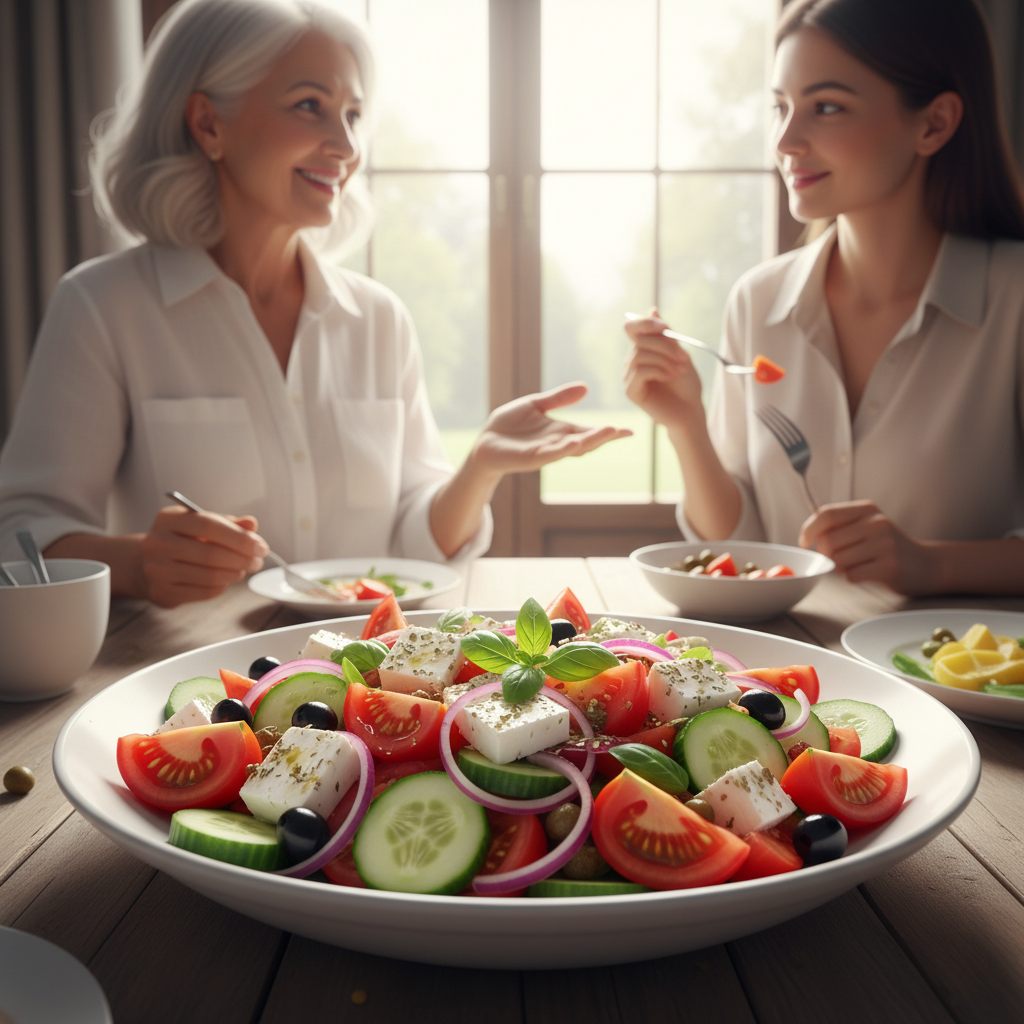
Imagine this: a scorching summer afternoon, the kind where even the breeze feels heavy. You’re hungry, but the thought of anything heavy or complicated makes you want to crawl back into bed. Then, a vibrant bowl appears – glistening with fresh-cut cucumbers and tomatoes, perhaps a whisper of red onion, and the earthy aroma of dill. This isn’t just any salad; it’s a lifeline, a tradition, and arguably, a secret weapon for health that Mediterranean grandmas have known for centuries. But why does this seemingly simple combination hold such power?
For generations, in sun-drenched coastal villages from Greece to Italy, this humble salad has graced dinner tables, providing not just refreshment but deep nourishment. It’s the kind of dish that doesn’t scream for attention but quietly delivers a powerhouse of benefits. Today, we’re pulling back the curtain on this culinary wisdom, exploring what scientists have finally confirmed about these everyday ingredients, and how you can harness their magic for your own health.
The Mediterranean Secret: More Than Just Olive Oil
When you hear “Mediterranean diet,” your mind might jump to olive oil, fish, and perhaps a glass of red wine. But at its heart, this eating pattern is built on something far simpler: an abundance of fresh, seasonal produce. It’s about respecting the earth’s rhythm and embracing what’s available right outside your door.
This commitment to fresh, vibrant vegetables forms the bedrock of a lifestyle associated with remarkable longevity and robust health. And among the stars of this show? The humble cucumber and the versatile tomato. They’re accessible, hydrating, and when combined, create a symphony of flavors and nutrients that our bodies crave, especially when the sun is high.
The Hydration Heroes: Cucumbers & Tomatoes Beyond the Basics
You might already know cucumbers and tomatoes are good for you, but do you know *why*? It goes far beyond their juicy crunch. These everyday veggies are packed with specific compounds that play crucial roles in your body’s daily operations.
Cucumber’s Secret Powerhouse: More Than Just Water
When you bite into a crisp cucumber, you’re mostly tasting water – about 95% of it, to be exact. This makes it an incredible ally for hydration, especially during warmer months or after a workout. But don’t let the water content fool you; cucumbers are far from nutritionally empty. They’re quietly contributing a range of vitamins and minerals:
- Vitamin K: Essential for blood clotting and plays a vital role in bone health. Think of it as the architect for strong bones.
- Potassium: A crucial electrolyte that helps maintain fluid balance, nerve signals, and muscle contractions. It’s like the body’s internal traffic controller for your cells.
- Pantothenic Acid (Vitamin B5): Important for energy production and fatty acid synthesis. Your body’s tiny energy factory relies on it.
- Phosphorus, Copper, Vitamin C, and Magnesium: These micronutrients support everything from enzyme function to immune defense.
What this means for you: Regularly munching on cucumbers can support healthy blood pressure, keep your bones strong, and ensure your cellular processes are running smoothly. (Source: USDA National Nutrient Database)
Tomato’s Red Gold: The Lycopene Story
The vibrant red hue of a ripe tomato isn’t just beautiful; it’s a beacon of a powerful antioxidant called lycopene. Lycopene is what gives tomatoes their signature color, and it’s a superstar when it comes to protecting your cells.
- Antioxidant Power: Lycopene is a carotenoid, a type of antioxidant that helps neutralize harmful free radicals in your body. Think of free radicals as cellular bullies that can cause damage, leading to chronic diseases and premature aging. Lycopene is like your cellular bodyguard.
- Heart Health: Research suggests that lycopene may contribute to cardiovascular health by reducing “bad” LDL cholesterol and improving blood vessel function.
- Skin Protection: Some studies indicate that lycopene may offer a degree of natural protection against UV damage, though it’s no substitute for sunscreen!
What this means for you: Eating tomatoes, especially when slightly cooked (which increases lycopene’s bioavailability), can offer a significant boost to your body’s defense system, protecting your heart and even your skin. (Source: Agarwal, S., & Rao, A. V. (2001). Tomato lycopene and its role in human health and chronic diseases.)
The Dynamic Duo: Synergistic Effects
When cucumbers and tomatoes come together, they don’t just taste good; they amplify each other’s benefits. The high water content from cucumbers aids in the transport and absorption of nutrients from tomatoes. Together, they provide a powerful punch of hydration, antioxidants, and anti-inflammatory compounds that support overall cellular health and reduce oxidative stress.
More Than Just Veggies: The Flavor Boosters (And Their Benefits)
The beauty of this simple Mediterranean salad isn’t just in its main stars. The supporting cast of fresh herbs, zesty onions, and even a few briny olives transforms it from “healthy” to “irresistibly delicious,” all while adding more nutritional layers.
Red Onion’s Zesty Punch
That sharp, zesty kick from a thinly sliced red onion isn’t just for flavor. Red onions are rich in quercetin, another potent antioxidant with anti-inflammatory properties. They also contain prebiotics, which are non-digestible fibers that feed the beneficial bacteria in your gut. Think of them as tiny “fertilizers” for your internal garden.
Fresh Herbs: Dill & Parsley’s Unsung Powers
Forget mere garnish! Fresh dill and parsley are nutritional powerhouses in their own right. They’re packed with vitamins K, C, and A, as well as various antioxidants and anti-inflammatory compounds. A generous handful isn’t just for taste; it’s a boost to your immune system and cellular repair.
Olives: The Healthy Fat Kick
Adding a few Castelvetrano olives (or your favorite variety) introduces healthy monounsaturated fats, crucial for heart health and satiety. Olives also bring their own array of polyphenols, plant compounds with antioxidant and anti-inflammatory effects. They’re tiny flavor bombs with big benefits.
Crafting Your Mediterranean Masterpiece: The Salad (and Beyond)
The beauty of this cucumber tomato salad lies in its elegant simplicity. It’s designed to be flexible, adapting to your preferences and whether you need a light side dish or a hearty, balanced meal.
The Basic Build: Quick & Refreshing
This is where the magic starts. You’ll want:
- Cucumbers: 2-3 medium, chopped (Persian or English cucumbers tend to be less watery with thinner skins).
- Tomatoes: 1 pint cherry tomatoes (halved) or 2-3 medium ripe tomatoes (chopped). Heirloom varieties add beautiful color and flavor.
- Red Onion: ¼ – ½ small red onion, thinly sliced (if the raw onion is too strong, you can soak it in ice water for 10 minutes to mellow its flavor).
- Fresh Herbs: A generous handful of chopped fresh dill and parsley (don’t skimp!).
- Dressing: A simple drizzle of extra virgin olive oil, a splash of red wine vinegar or fresh lemon juice, salt, and black pepper to taste.
Simply combine all ingredients in a bowl and gently toss. It takes about 10 minutes, start to finish!
Elevating to a Meal: The “Foundational Five” Principle
While delicious on its own, for a truly satisfying and blood-sugar-balancing meal, you can easily transform this salad into an entree by adding components from the Foundational Five system:
- Protein: Essential for satiety, muscle repair, and stable blood sugar.
- Ideas: Grilled shrimp or fish, smoked salmon, shredded chicken, baked tofu, hard-boiled eggs, edamame, feta cheese, hemp seeds.
- Healthy Fats: Keeps you feeling full and aids nutrient absorption.
- Ideas: Sliced avocado, more olives, a generous drizzle of high-quality extra virgin olive oil, toasted pumpkin seeds.
- Fiber (from non-starchy vegetables): Your salad already has this covered in spades!
- Starchy Carbohydrates: Provides sustained energy.
- Ideas: A side of cooked quinoa, brown rice, whole-grain pita bread, or a small baked sweet potato.
- Flavor Factor: Also covered by the herbs, onion, and dressing, enhancing enjoyment!
Example Meal: A large bowl of cucumber tomato salad with grilled salmon, a ½ cup of cooked quinoa, and a sprinkle of feta cheese. Now that’s a meal that would make any Mediterranean grandma proud!
Is This Salad for Everyone? Considerations & Cautions
While this cucumber tomato salad is overwhelmingly beneficial, it’s always good to consider individual needs and potential nuances. After all, nutrition is personal!
Individual Sensitivities
- Nightshade Sensitivity: Tomatoes belong to the nightshade family. For a small percentage of people, nightshades can exacerbate inflammatory conditions. If you notice discomfort after eating tomatoes, consult with a healthcare professional.
- FODMAPs: Red onions, while delicious, are higher in FODMAPs (fermentable oligosaccharides, disaccharides, monosaccharides, and polyols). If you have IBS or a sensitive digestive system, you might consider using green onion tops (the green part only) or omitting the onion, or opting for a very small amount.
Pesticide Concerns
Cucumbers are often on the “dirty dozen” list, indicating higher pesticide residues. If possible, opt for organic cucumbers. For tomatoes, while generally lower on the list, choosing organic or locally grown can reduce exposure. A good wash for all produce is always recommended regardless.
Importance of Variety
While this salad is fantastic, no single food or dish should be your *only* source of nutrients. Remember to incorporate a wide array of colorful vegetables, fruits, whole grains, and diverse protein sources into your diet to ensure you’re getting a broad spectrum of nutrients.
Conclusion: The Simple Wisdom of the Mediterranean Table
The crunchy cucumber tomato salad is more than just a refreshing summer dish; it’s a testament to the enduring wisdom of simple, whole foods. It’s a reminder that true nourishment often lies in the freshest ingredients, minimally processed, and enjoyed in their natural glory. Mediterranean grandmas understood this intrinsically, long before scientists could break down the complex benefits of lycopene or vitamin K.
So, next time you’re seeking a meal that’s both invigorating and deeply nourishing, remember this vibrant combination. It’s a quick trip to the Mediterranean, no passport required, and a powerful step towards embracing a healthier, more vibrant you.
Key Takeaways:
- Cucumbers offer superior hydration and essential nutrients like Vitamin K and Potassium.
- Tomatoes are rich in lycopene, a potent antioxidant that supports heart and skin health.
- Adding red onion, dill, parsley, and olives enhances both flavor and nutritional benefits.
- This salad is easily adaptable into a full, balanced meal by adding protein, healthy fats, and complex carbs.
- Embrace the wisdom of simple, seasonal ingredients for optimal health.
FAQ Section
Q: Can I use different vegetables in this salad?
A: Absolutely! While the core cucumber-tomato combo is classic, feel free to add bell peppers, radish, or even grilled zucchini. The goal is fresh, seasonal variety!
Q: Is it better to peel cucumbers?
A: The skin of a cucumber contains a good amount of fiber and some nutrients. If you’re using organic cucumbers, leaving the skin on is generally recommended for maximum benefit. If using conventional, peeling can reduce pesticide residue.
Q: What’s the best type of tomato for this salad?
A: Ripe, in-season tomatoes will always yield the best flavor. Cherry tomatoes offer a burst of sweetness and are easy to prepare. Heirloom varieties provide diverse flavors and colors. Choose what looks and smells best!
Q: Can I meal prep this salad?
A: Yes, with a small caveat. Chop your cucumbers and tomatoes, but store them separately if possible. Mix the red onion and herbs, and keep the dressing on the side. Combine everything just before serving to prevent the vegetables from becoming watery or soggy.
Q: Are there any downsides to eating a lot of tomatoes or cucumbers?
A: For most people, no. Both are low in calories and high in nutrients. However, individuals with nightshade sensitivities might react to tomatoes, and some might find excessive raw onion irritating to the stomach. As always, listen to your body!
Q: What if I don’t like dill or parsley?
A: No problem! You can experiment with other fresh herbs like mint, oregano, or basil, which are also staples in Mediterranean cuisine and offer their own unique health benefits.
References
- [1] U.S. Department of Agriculture. FoodData Central. https://fdc.nal.usda.gov/ (Referenced for cucumber and tomato nutritional profiles).
- [2] Agarwal, S., & Rao, A. V. (2001). Tomato lycopene and its role in human health and chronic diseases. Canadian Medical Association Journal, 164(7), 963-965. https://pubmed.ncbi.nlm.nih.gov/11370243/
- [3] Benkeblia, N. (2005). Antioxidant capacity and phytochemicals of garlic (Allium sativum) and onion (Allium cepa) in relation to their processing methods. International Journal of Food Science & Technology, 40(7), 773-779. (Supports onion’s antioxidant properties).
- [4] Aune, D., Giovannucci, E., Boffetta, P., Fadnes, L. T., Keum, N. N., Norat, R., … & Vatten, L. J. (2017). Fruit and vegetable intake and the risk of cardiovascular disease, total cancer and all-cause mortality–a systematic review and dose-response meta-analysis of prospective studies. International Journal of Epidemiology, 46(3), 1029-1056. (General benefits of fruit and vegetable intake).
- [5] Estruch, R., Ros, E., Salas-Salvadó, J., Covas, M. I., Corella, D., Arós, F., … & Fiol, M. (2018). Primary prevention of cardiovascular disease with a Mediterranean diet supplemented with extra-virgin olive oil or nuts. New England Journal of Medicine, 378(25), 2379-2390. (Supports the broader benefits of the Mediterranean diet).
- [6] Bjarnadottir, R. (2017). Cucumbers: Nutrition Facts and Health Benefits. Healthline. https://www.healthline.com/nutrition/cucumbers-health-benefits (General cucumber benefits review).
- [7] Shi, J., & Le Maguer, M. (2000). Lycopene in tomatoes: chemical and physical properties affected by processing. Critical Reviews in Food Science and Nutrition, 40(1), 1-42. (Discusses lycopene bioavailability and processing effects).
Medical Disclaimer: This article is for informational purposes only and is not intended as medical advice. The information provided has been reviewed by licensed Registered Dietitians but should not replace consultation with a qualified healthcare provider. Individual nutritional needs vary based on age, health status, medications, and other factors. Always consult with your doctor or a registered dietitian before making significant changes to your diet, especially if you have existing health conditions or are taking medications.
Content Review: This article has been reviewed by licensed Registered Dietitians for accuracy and adherence to current nutritional science and evidence-based guidelines.