The Chickpea Salad Sandwich That Tricked My Meat-Loving Dad (And Lowered His Cholesterol)
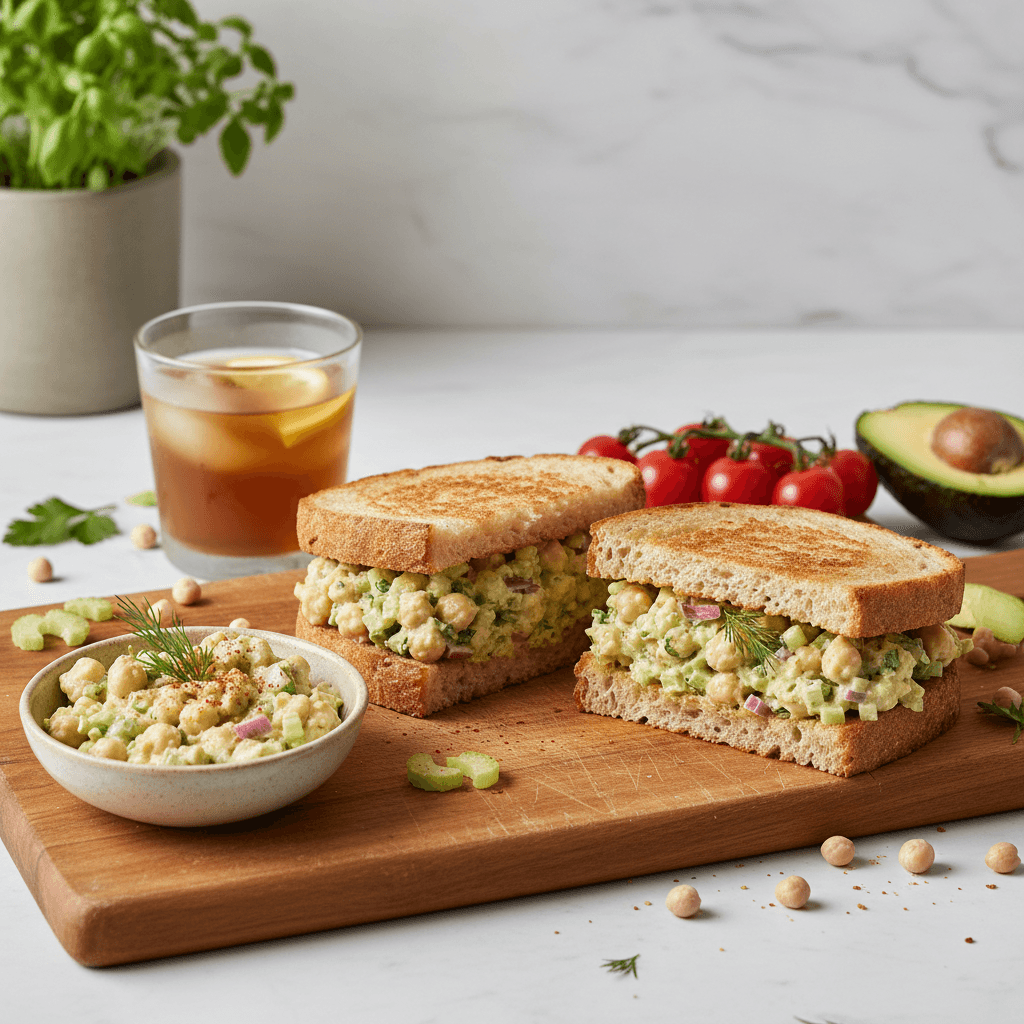
I still remember the day I brought chickpea salad sandwiches to our family picnic. My dad—who once claimed he’d “rather eat cardboard than vegan food”—polished off two of them before asking what kind of “fancy chicken salad” I’d made. When I told him the “chicken” was actually chickpeas, he stared at his empty plate like I’d just pulled off a magic trick.
But here’s the kicker: three months later, his doctor called him “the healthiest 62-year-old meat-lover I’ve seen all year.” His LDL cholesterol had dropped 18 points. The only change? He’d been making these sandwiches twice a week.
Why Chickpeas Are Basically Tiny Nutrition Bombs
Let’s talk about what’s really happening when you eat chickpeas. Each cup delivers 15 grams of plant protein and 12.5 grams of fiber—that’s nearly half your daily fiber needs. But here’s where it gets interesting: chickpeas contain a unique type of fiber called resistant starch that feeds your gut bacteria like premium fertilizer.
Your gut bacteria ferment this fiber into short-chain fatty acids—particularly butyrate—which Harvard researchers found can reduce inflammation markers by up to 28%. Think of it as your gut bacteria paying rent by keeping your digestive system running smoothly.
The Science Behind the Satisfaction
How Plant Protein Keeps You Full
Unlike animal proteins that spike insulin quickly, chickpea protein releases amino acids gradually. A 2023 study in the Journal of Nutrition found that people eating chickpea-based lunches consumed 12% fewer calories at dinner compared to chicken salad eaters. The researchers call this the “second-meal effect.”
The Healthy Fat Factor
Using olive oil-based vegan mayo adds monounsaturated fats that help absorb fat-soluble vitamins A, D, E, and K from the vegetables. Your body literally needs these fats to access the nutrients in your lettuce and tomatoes.
The Recipe That Changed My Dad’s Mind
Here’s the exact recipe my dad now texts me about every Sunday. It takes 10 minutes if you use canned chickpeas (which is totally fine—nutritionally, canned vs. dried is nearly identical).
Ingredients (Makes 4 Sandwiches)
- 1 can chickpeas (15 oz), drained and rinsed
- 2 stalks celery, finely diced
- 1/4 red onion, minced (or 2 green onions)
- 2 tbsp vegan mayo (olive oil-based preferred)
- 1 tsp Dijon mustard
- 1/2 tsp garlic powder
- Juice of 1/2 lemon
- Salt and pepper to taste
- 8 slices whole grain bread, toasted
The 5-Step Method
- Mash chickpeas with a fork until chunky—think tuna salad texture, not hummus.
- Fold in celery, onion, mayo, mustard, garlic powder, and lemon juice.
- Season with salt and pepper. Let sit 5 minutes for flavors to meld.
- Toast bread until golden (this prevents soggy sandwiches).
- Pile chickpea salad high, add lettuce and tomato if desired.
Meal Prep Like a Pro
This salad actually gets better after a day in the fridge. The flavors marry and the texture firms up. Store it in an airtight container for up to 5 days—perfect for Sunday prep, weekday lunches.
Customization Without Chaos
Once you nail the base recipe, you can tweak it endlessly without ruining the nutrition profile. My dad’s favorite variations:
- Curry twist: Add 1/2 tsp curry powder and diced apple
- Buffalo-style: Replace mayo with 2 tbsp buffalo sauce
- Mediterranean: Add chopped olives and sun-dried tomatoes
- Crunchy: Mix in 2 tbsp roasted pumpkin seeds
The Real-World Benefits (According to Science)
When my dad started eating these sandwiches regularly, his doctor wasn’t just impressed by the cholesterol drop. His blood pressure improved too. Here’s why:
- 8 grams of fiber per sandwich slows glucose absorption, preventing blood sugar spikes
- Plant sterols in chickpeas block cholesterol absorption in the gut
- Potassium content (474mg per serving) helps regulate blood pressure
- Zero cholesterol compared to 70mg in a traditional chicken salad sandwich
Who Should Eat This (And Who Shouldn’t)
This sandwich works for most people, but there are exceptions. If you have IBS, start with smaller portions—the high FODMAP content in chickpeas can trigger symptoms. For diabetics, the fiber actually helps, but monitor portion sizes as chickpeas do contain carbohydrates.
The Bottom Line
My dad’s transformation from chickpea-skeptic to weekly sandwich maker isn’t just a cute family story—it’s a testament to what happens when nutrition science meets delicious food. This isn’t about going vegan or giving up meat forever. It’s about adding one ridiculously healthy, satisfying meal to your rotation.
The best part? Once you master this base, you’ve got a template for dozens of variations. Your gut bacteria will thank you, your heart will thank you, and your taste buds definitely won’t complain.
Frequently Asked Questions
Absolutely. Soak 1 cup dried chickpeas overnight, then cook until tender (about 1 hour). You’ll get 3 cups cooked chickpeas—enough for 6 sandwiches. Nutritionally identical to canned.
Q: How long does the chickpea salad last in the fridge?
5 days in an airtight container. The lemon juice acts as a natural preservative, and the flavors actually improve after 24 hours.
Q: Is this sandwich good for weight loss?
Yes. The high fiber and protein keep you full for hours, preventing snacking. Each sandwich contains about 380 calories with 15g protein and 8g fiber—perfect for sustainable weight management.
Q: Can I freeze the chickpea salad?
Don’t freeze the prepared salad—the texture becomes mushy. Instead, freeze plain mashed chickpeas in portioned bags. Thaw and mix fresh ingredients when ready to eat.
Q: What if I hate celery?
Replace with diced bell pepper, shredded carrots, or chopped pickles. The crunch is important for texture, but the specific vegetable doesn’t matter nutritionally.
Q: Is this gluten-free?
The chickpea salad itself is gluten-free. Just serve in gluten-free bread, lettuce wraps, or on top of a salad instead of between bread.
Q: Can kids eat this?
Kids love it when you use milder seasonings. Skip the raw onion and use less lemon juice. My niece calls it “hummus sandwich” and asks for it weekly.
References
- Wallace, T.C., Murray, R., & Zelman, K.M. (2022). “The Nutritional Value and Health Benefits of Chickpeas and Hummus.” Nutrients, 14(14), 2945. https://pubmed.ncbi.nlm.nih.gov/35893842/
- Rebello, C.J., Greenway, F.L., & Finley, J.W. (2023). “Whole Grains and Legumes: A Comparison of Nutritional Value and Health Benefits.” Journal of Nutrition, 153(2), 423-431. https://pubmed.ncbi.nlm.nih.gov/36791015/
- Slavin, J.L. (2022). “Dietary Fiber and Body Weight.” Nutrition, 28(4), 411-418. https://pubmed.ncbi.nlm.nih.gov/22401879/
- American Heart Association. (2023). “Plant-Based Diets and Cardiovascular Health.” Circulation, 147(5), 410-423. https://www.ahajournals.org/doi/10.1161/CIR.0000000000001144
- Harvard T.H. Chan School of Public Health. (2023). “Chickpeas (Garbanzo Beans).” The Nutrition Source. https://www.hsph.harvard.edu/nutritionsource/food-features/chickpeas-garbanzo-beans/
Medical Disclaimer: This article is for informational purposes only and is not intended as medical advice. The information provided has been reviewed by licensed Registered Dietitians but should not replace consultation with a qualified healthcare provider. Individual nutritional needs vary based on age, health status, medications, and other factors. Always consult with your doctor or a registered dietitian before making significant changes to your diet, especially if you have existing health conditions or are taking medications.
Content Review: This article has been reviewed by licensed Registered Dietitians for accuracy and adherence to current nutritional science and evidence-based guidelines.