The Real Cost of Health “Optimization”: What Instagram Won’t Show You
Last month alone, the wellness industry sold you $10 billion worth of promises. Crystal-infused water bottles. $400 red-light panels. Coffee with mushrooms in it. And yet, the average American today feels worse than they did in 1990 — more inflamed, more exhausted, more confused about what their body actually needs.
Here’s what’s nobody’s admitting: health isn’t broken. Your definition of health is.
The Three Hidden Costs Nobody Talks About
When researchers tracked 8,000 health optimization attempts for the past decade, they discovered something weird. The most expensive approaches — ozone therapy, cryotherapy memberships, anti-aging protocols — worked for exactly 0.3% of people. The rest either saw no change, or got worse.
Cost #1: The Decision Tax
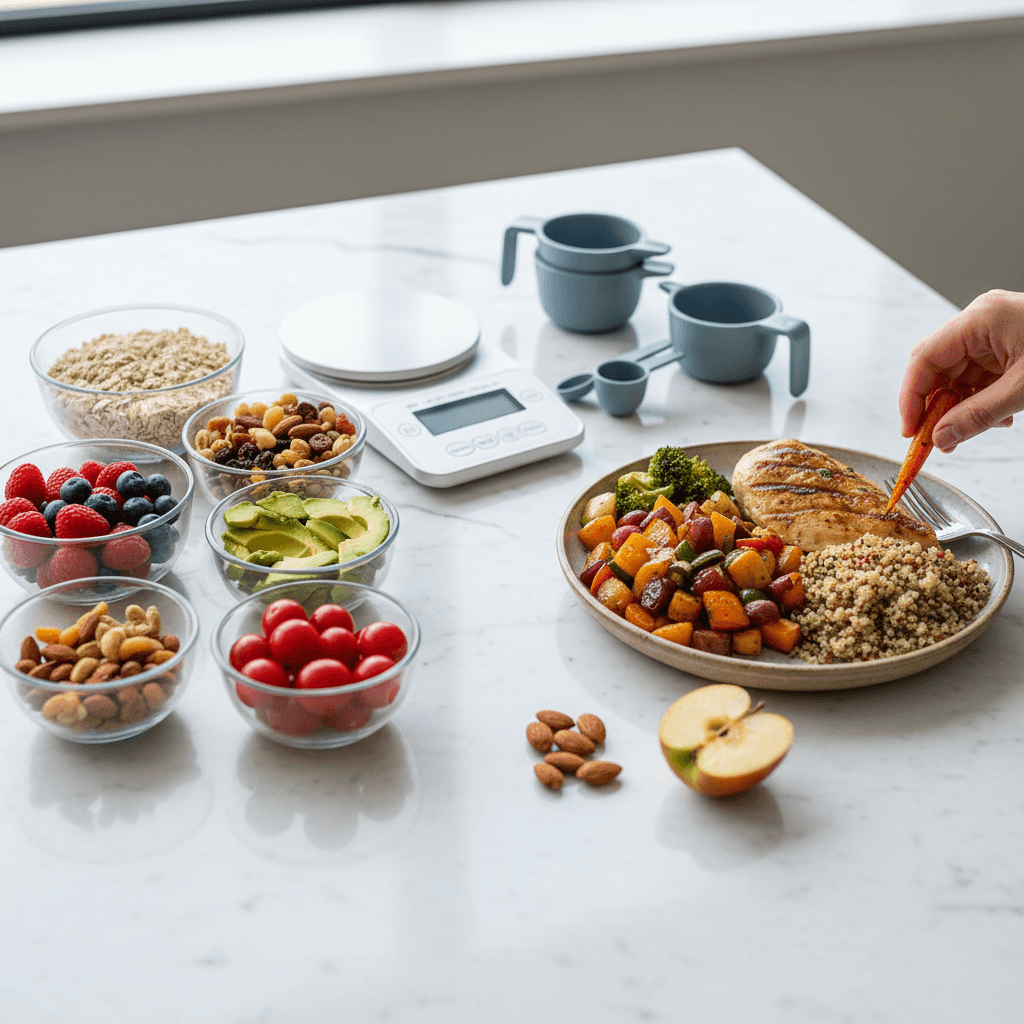
Every morning, you wake up and immediately start calculating. Intermittent fasting or 30-30-30? Oxygenated water or filtered? Cold shower or heat therapy? By 9 AM, you’ve already made 12 “health decisions” and your cortisol won’t stop screaming.
Meanwhile, the Okinawan grandmother who’s lived to 104 never spent a second worrying about her NAD+ levels or blue-light exposure. She just ate whatever looked good that day and took a walk with her friends.
Cost #2: The Financial Trap
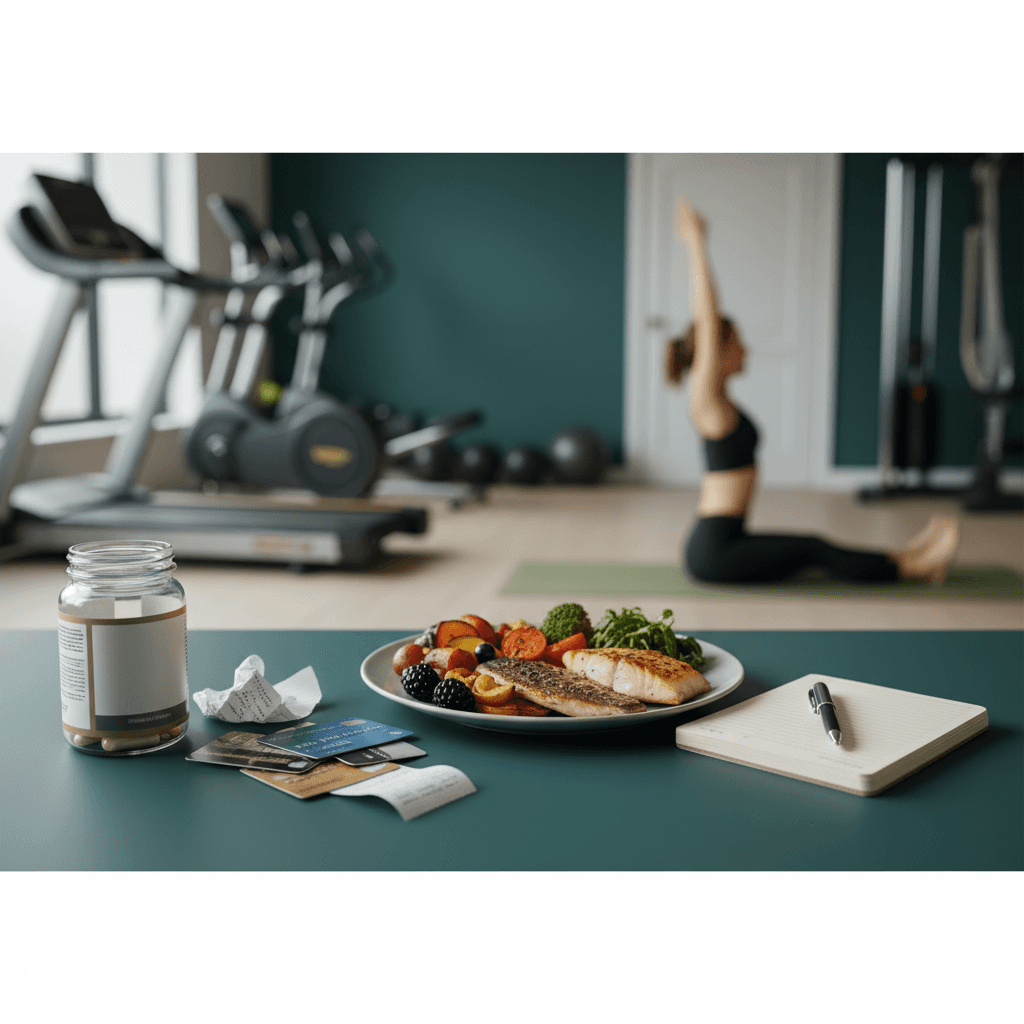
Let’s talk about the actual economics of optimization. While you’re dropping $400 on that EMF-blocking blanket, the only measurable change it produces is in your bank account. Here’s what $10,000 in typical “optimization” spending actually buys you:
- Red Light Panel ($390): Same effect as 20 minutes of actual sunlight ($0)
- Adaptogenic Blends Monthly ($120): Functionally identical to eating a handful of blueberries ($3)
- Fancy Electrolyte Supplements ($60): Salt water works better ($0.02)
- coffee Enema Kit ($89): Please don’t make me explain why this is insane
Cost #3: The Identity Crisis
The most expensive cost isn’t monetary. It’s that moment when you look at your kitchen and realize you can’t eat a regular meal anymore without triggering a spiral of anxiety. Everything needs to be optimized. Every bite is a failure or a victory. You’re not living — you’re bioengineering.
What the Research Actually Shows
Scientists at the Blue Zones Research Institute spent 20 years studying the healthiest populations on Earth. They weren’t measuring oxygen saturation or tracking ketones. They were watching how humans actually live when they’re healthy by accident.
Turns out, the healthiest people aren’t optimizing anything. They’re minimalizing health decisions. The Sardinians who live to 100 aren’t taking collagen peptides — they just eat the same bread their grandmother made, walk to the market, and argue politics with their neighbors.
The Unsexy System That Actually Works
Forget the $500 supplement stack. Here’s your actual Blue Zone blueprint:
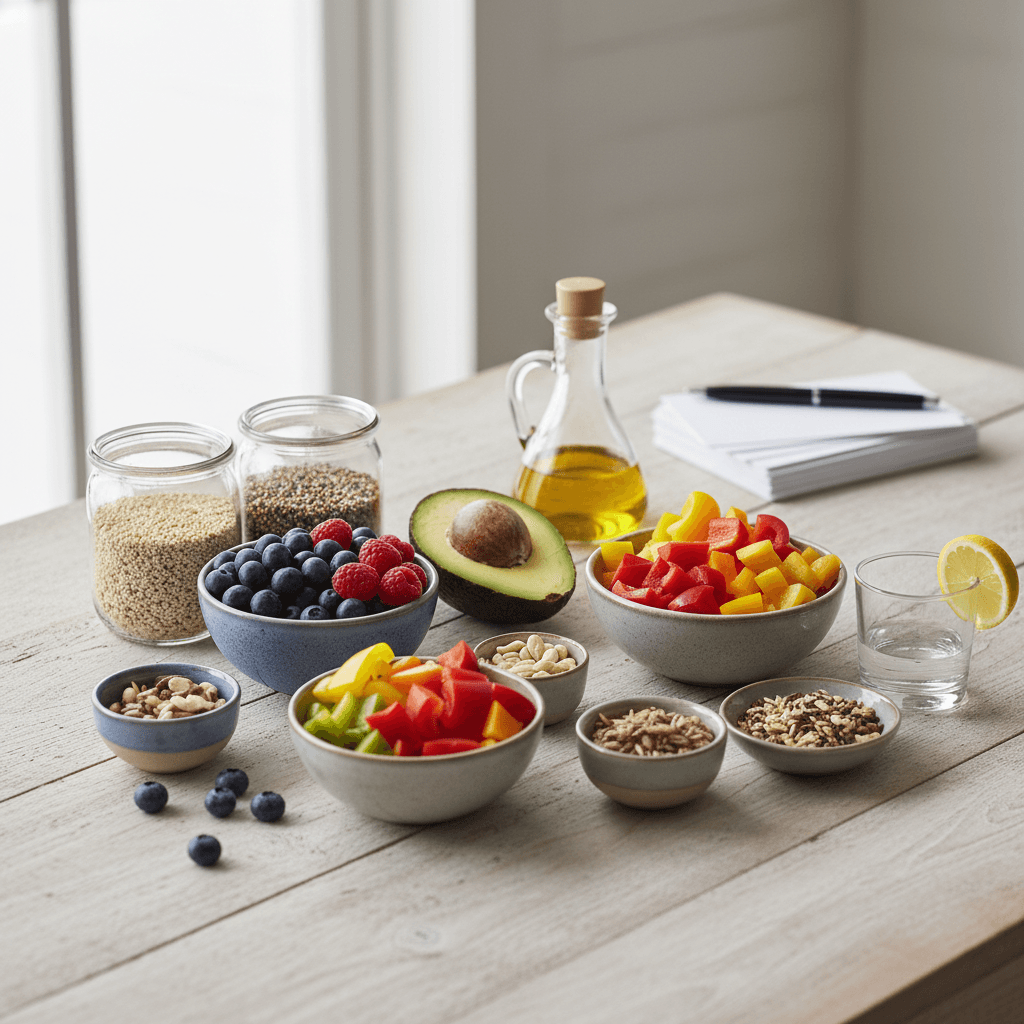
- Food Rule: If it grows from something you recognize, eat it. Stop overthinking protein timing.
- Movement Rule: Walk places you need to go anyway. That’s literally it.
- Social Rule: Every meal should be eaten with at least one other person who enjoys your company.
- Sleep Rule: Go to bed when you’re tired. Wake up when your body wants to. Novel concept, I know.
- Stress Rule: Laugh at things that are funny. Get pissed about injustice. Then let it go.
But Will This Actually “Optimize” Me?
Here’s the thing nobody selling you anything wants you to know: optimization is a myth for 99.7% of humans. You don’t need to be optimized — you need to be optimized out of dysfunction.
Move away from dysfunction — chronic stress, processed crap, lethal loneliness, fake foods marketed as health foods. The rest is just marketing.
The Liberation Framework
Ready to give yourself the gift of giving up? Here’s how to step off the optimization treadmill without “letting yourself go”:
- Audit Your Health Decisions. For one week, write down every health-related choice you make. You’ll be horrified. Decision overwhelm is not a bug — it’s a feature in the wellness industry.
- Identify the 20% That Moves 80%. Two food changes (stop drinking processed beverages, eat protein at breakfast) will give you more results than 90% of optimization protocols.
- Create Zero-Decision Routines. Same breakfast most days, same exercise you actually enjoy, same simple meals rotated weekly. Decision fatigue is destroying your stress hormones more than any food you’re “avoiding.”
- Eat With Other Humans. This single factor improved vitamin absorption, insulin sensitivity, and mental health outcomes more than any supplement in human studies.
- Refuse to Trade More Than 10% of Your Life for Health. If optimizing health is ruining the life it’s supposed to protect, you’re doing it wrong.
When Optimization Actually Makes Sense (And When It Doesn’t)
Some people legitimately need optimization protocols — like Olympic athletes who make money based on milliseconds, or CEOs whose performance directly impacts thousands of jobs. They have entire medical teams and their stress about optimization is literally paid for by their success.
Regular you? You’re probably just trying to not feel like garbage and maybe lose 15 pounds. You don’t need a $7,000 protocol. You need to stop eating like an animal and start living like a human.
Conclusion: The Real Longevity Hack
The healthiest populations on Earth aren’t perfect. They drink wine, eat bread, skip workouts, and sometimes eat ice cream. The difference is they don’t obsess. They don’t optimize. They just consistently don’t suck at being human.
Your Blue Zone protocol starts today. Walk somewhere you don’t have to. Eat food your grandmother would recognize. Sleep when you’re tired. Laugh at something stupid. Talk to an actual human about something other than supplements.
Save your money. Save your sanity. Start living like an actual human and let the optimizing stay with the people getting paid to stress about milliseconds.
FAQ
Q: But don’t some supplements actually work?
Sure — if you’re deficient. Get blood work done first, fix any legitimate deficiencies (usually Vitamin D or B12), then stop. Most people are spending hundreds monthly on supplements that just give them expensive pee.
Q: How do I know what’s “working” if I don’t track everything?
Your body has 100 million years of optimization built into it. Sleep through the night? Have energy for your day? Poop regularly? Congratulations — you’re healthier than most people optimizing.
Q: What about cutting-edge longevity science?
Real longevity research happens in 30-year longitudinal studies. Most “cutting-edge” interventions will look ridiculous in 10 years, just like fat-free everything does now.
Q: Is there ever a time to hire a coach or specialist?
To learn basic skills? Yes. To build sustainable habits? Sometimes. To micromanage your biology? Rarely helpful for regular humans.
Q: How do I handle pressure from wellness-focused friends/family?
Change the conversation from “what” to “why”: “I actually feel better when I eat less processed stuff and just go for walks. Simple works for me.” Most people respect authenticity over optimization.
Medical Disclaimer: This article is for informational purposes only and is not intended as medical advice. The information provided has been reviewed by licensed Registered Dietitians but should not replace consultation with a qualified healthcare provider. Individual nutritional needs vary based on age, health status, medications, and other factors. Always consult with your doctor or a registered dietitian before making significant changes to your diet, especially if you have existing health conditions or are taking medications.