Why Restaurant French Toast Hits Different (And How to Get Closer at Home)
You’ve seen it. That perfectly golden, impossibly crisp-on-the-outside, melt-in-your-mouth custardy French Toast at your favorite brunch spot. You devour it, promising yourself you’ll replicate that magic in your own kitchen. You buy the bread, whisk the eggs, dip, and fry. The result? Often a soggy, bland, or burnt imitation that leaves you wondering: What arcane culinary secret are these restaurants hiding?
You’re not alone. Many health-conscious foodies, tired of boring breakfast, yearn for that indulgent yet satisfying French Toast experience. But here’s the truth: getting it right isn’t just about throwing eggs and bread in a pan. There’s a science, an art, and a few trade secrets that turn a simple breakfast into an unforgettable feast. We’re diving deep into the methodology of the masters, dissecting what makes restaurant French Toast a cut above, and giving you the tools to elevate your home game. Prepare to uncover the delicious truth.
The Quest for the Golden Toast: Unraveling the Restaurant Mystery
The allure of restaurant French Toast isn’t just about someone else cooking. It’s about a consistent, exceptional quality that feels almost impossible to achieve at home. From Perkins’s legendary Brioche French Toast to Cracker Barrel’s buttery cinnamon swirl, and the innovative creations at Another Broken Egg Cafe or Snooze A.M. Eatery, there’s a common thread: perfection.
But how do they do it? Is it a secret ingredient? A magical pan? Or something more fundamental? We’re taking on the role of culinary detective to figure out exactly what these breakfast titans understand that most home cooks miss. This isn’t just about recipes; it’s about understanding the “why” behind the “how.”
The Foundation: Not All Bread Is Created Equal
The journey to perfect French Toast begins with the bread. You might think any old loaf will do, but here’s where restaurants make their first strategic move. They don’t just grab a generic white bread. They choose wisely.
- Brioche: The Undisputed King. Many top-tier establishments, like Perkins, swear by brioche. Why? Its high butter and egg content makes it incredibly rich, soft, and slightly sweet. More importantly, its structure is dense yet porous, allowing it to soak up custard without disintegrating.
- Challah or Pullman Loaf: Excellent Alternatives. These breads offer a similar sturdy yet tender crumb. They can hold their shape through a long, luxurious soak, preventing that dreaded “soggy middle” syndrome.
Using a bread that’s a day or two old is also critical. Fresh bread still contains too much moisture, which inhibits proper custard absorption and can lead to a mushy texture. Slightly stale bread is like a hungry sponge, ready to drink up all that eggy goodness.
The Custard: More Than Just Eggs and Milk
This is where the magic truly happens. Your standard home French Toast batter might be a simple egg-and-milk mixture. Restaurant chefs, however, treat their custard with the reverence it deserves.
- The Fat Factor: Instead of just milk, many chefs incorporate heavier cream or half-and-half. Fat is flavor, and it also contributes to that incredibly smooth, custardy texture. The high fat content in Snooze A.M. Eatery’s “OMG French Toast” likely plays a role in its rave reviews. Studies on dairy fat in culinary applications consistently show its role in mouthfeel and flavor perception.[1]
- The Sugar Sweet Spot: A touch more sugar than you might expect not only sweetens the bread but also aids in caramelization during cooking, contributing to that desirable golden-brown crust.
- Flavor Infusion: Vanilla extract is standard, but professional kitchens often add a pinch of cinnamon, nutmeg, or even a splash of orange zest. Some even go further, incorporating brown sugar, maple syrup directly into the custard, or like Another Broken Egg Cafe, building on a “cinnamon roll” concept.
- Proper Egg-to-Liquid Ratio: This is a delicate balance. Too many eggs, and you get an omelet-like texture. Too much liquid, and it’s watery. The ideal ratio aims for a thick but pourable consistency that adheres to the bread. Expert chefs often use a 2:1 liquid-to-egg ratio by volume.[2]
The Soak: Patience Is a Virtue
This is arguably the most overlooked step at home. We’re often in a rush, giving our bread a quick dunk. Restaurants, with their precise timing, understand the power of a proper soak.
- Longer Dwell Time: While a quick dip is fine for thinner breads, heartier loaves like brioche or challah need more time to fully absorb the custard. We’re talking 30 seconds to a minute per side, or even longer for very thick slices. This allows the bread to become fully saturated, leading to that custardy interior.
- Even Absorption: Flipping the bread ensures both sides get equal opportunity to drink up the delicious liquid. Think of the bread as a sponge; you want every cell to be plump with flavor. Research into bread’s hygroscopic properties confirms that adequate hydration is key for texture transformation.[3]
The Broken Yolk Cafe’s “Churro French Toast” likely benefits from a perfectly soaked bread that can stand up to its rich, sweet additions.
The Cook: Heat, Fat, and the Maillard Reaction
You’ve got the perfect bread, the rich custard, and the patient soak. Now, it’s time to cook. This final stage is where that golden crust and fluffy interior are truly forged.
- Butter, Glorious Butter: While a non-stick spray might be convenient, butter is the unsung hero of restaurant French Toast. It adds flavor, richness, and promotes beautiful browning. The “lots of butter” mentioned by Perkins fans isn’t just a guess; it’s a fundamental part of the process.
- Medium Heat, Patience, Again: Don’t crank the heat to high. A medium heat allows the exterior to brown gradually while the interior cooks through without burning. This balance is crucial for texture.
- The Maillard Reaction: This is the scientific term for the chemical reaction between amino acids and reducing sugars that gives browned food its distinctive flavor and color. It’s what makes a steak sear beautifully, and it’s what gives your French Toast that irresistible golden-brown crust. Too low heat, and you get pale toast; too high, and it burns before the inside sets. Food science literature consistently highlights the Maillard reaction’s importance in cooked food aesthetics and flavor.[4]
- Don’t Crowd the Pan: Give each slice room. Crowding the pan lowers the temperature and steams the bread instead of frying it, hindering that crisp exterior.
Bringing the Brunch Bar Home: Practical Application
Now that we’ve peeled back the layers of restaurant French Toast wizardry, how can you apply these insights to your own kitchen? It’s easier than you think, and the results will speak for themselves.
Your Home French Toast Blueprint:
- Choose Your Bread Wisely: Opt for brioche, challah, or a good quality Pullman loaf. Buy it a day or two in advance, or let fresh slices air-dry for a few hours. Aim for slices about 3/4 to 1 inch thick.
- Craft a Rich Custard:
- 2 large eggs per slice of bread (e.g., 6 eggs for 3 slices)
- 1/2 cup whole milk or half-and-half (per 3 slices of bread)
- 1-2 tablespoons granulated sugar (adjust to your sweetness preference)
- 1 teaspoon vanilla extract
- Pinch of cinnamon and/or nutmeg
- Whisk thoroughly until completely smooth and slightly frothy.
- The Patient Soak: Pour your custard into a shallow dish (a pie plate works well). Place a slice of bread in the custard, pressing gently to submerge. Let it soak for at least 30 seconds to 1 minute per side, depending on bread thickness. You want the bread to feel heavy and fully saturated.
- Master the Cook:
- Melt a generous pat of butter in a non-stick skillet or griddle over medium heat.
- Once the butter is foamy, carefully place your soaked bread slices in the pan, ensuring they don’t touch.
- Cook for 3-5 minutes per side, until deeply golden brown and the internal temperature reaches around 160°F (71°C) to ensure the egg is cooked through.
- Don’t be afraid to add more butter between batches if needed.
- Serve with Panache:
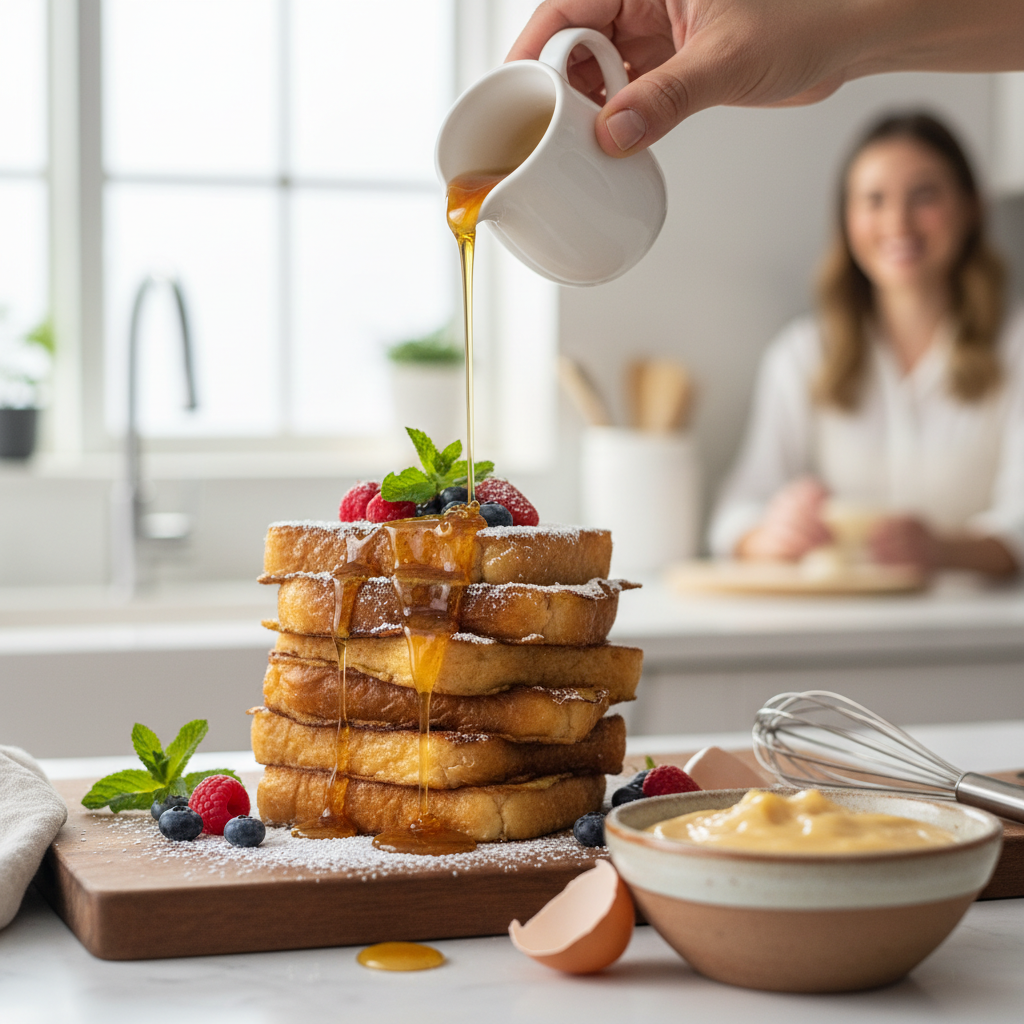
- Warm your maple syrup (a small pot on the stove or a quick microwave zap). This is a simple trick Cracker Barrel fans rave about for good reason!
- Dust with powdered sugar.
- Add fresh berries, sliced bananas, or a dollop of whipped cream.
Nuance and Balance: When to Indulge, When to DIY
Let’s be real: sometimes, you just want to go out for brunch. The experience of Huckleberry’s Breakfast & Lunch or Another Broken Egg Cafe isn’t just about the French Toast; it’s about the atmosphere, the company, and the joy of being served. And that’s perfectly okay! There’s no shame in enjoying the fruits of a professional kitchen.
However, understanding these techniques means you’re no longer at the mercy of mediocre home efforts. You can choose when to put in the effort for a spectacular at-home brunch or when to treat yourself to an expertly prepared meal out. For those with dietary restrictions or specific nutritional goals, making French Toast at home allows for complete control over ingredients, portion sizes, and added sugars, giving you a health-conscious edge.
Remember, individual preferences vary. Some prefer a thicker, more custardy French Toast, while others might like it thinner and crispier. Experiment with different breads, custard ratios, and cooking times to find your personal perfect French Toast. There’s no single right answer, just a spectrum of delicious possibilities.
Conclusion: The Secrets Are Yours
The mystery is solved! The “secret ingredient” in restaurant French Toast isn’t a single magical item, but rather a combination of thoughtful ingredient choices, precise techniques, and a dash of culinary science. From selecting the right sturdy, rich bread like brioche, to crafting a luxurious, fatty custard, allowing for a patient soak, and finally, mastering the Maillard reaction with butter and controlled heat – these are the pillars of restaurant-quality French Toast.
Key Takeaways for Your Best French Toast Yet:
- Choose Your Bread Wisely: Stale brioche, challah, or Pullman loaf are your best friends.
- Rethink Your Custard: Use whole milk or cream, a touch more sugar, and whisk thoroughly.
- Patience Pays Off: Don’t rush the soak; let the bread truly absorb the custard.
- Butter & Medium Heat: Cook with butter over medium heat for that perfect golden crust.
- Serve Warm: Warm syrup and fresh toppings elevate the experience.
So next time you’re craving that indulgent breakfast, remember these insights. You now possess the knowledge to bridge the gap between your kitchen and your favorite brunch spot. Go forth, experiment, and enjoy French Toast that truly hits different!
Frequently Asked Questions (FAQ)
What kind of bread is best for French Toast?
Brioche is widely considered the best due to its rich, buttery flavor and sturdy texture that soaks up custard beautifully without falling apart. Challah or a dense Pullman loaf are also excellent choices. Aim for bread that’s a day or two old, as it absorbs the custard better.
Should French Toast batter be thick or thin?
The ideal French Toast batter should be thick enough to cling to the bread but still pourable. A good ratio usually involves about 2 large eggs per 1/2 cup of liquid (milk or cream), ensuring a rich, custardy texture without being too eggy or watery.
How long should I soak French Toast bread?
The soaking time depends on the bread’s thickness and type. For thick slices of brioche or challah (3/4 to 1 inch), soak for 30 seconds to 1 minute per side, pressing gently to help absorption. Thinner or less dense breads will require less time, while very thick slices might benefit from an even longer soak or resting in the fridge.
Why is my homemade French Toast soggy in the middle?
Soggy French Toast usually results from too much liquid, not enough cooking time, or cooking at too high a heat. Ensure your bread is slightly stale, your custard isn’t too thin, and cook over medium heat to allow the interior to fully cook through while the exterior browns.
Can I make French Toast custard ahead of time?
Yes, you can absolutely prepare your French Toast custard the night before. Whisk all ingredients together, cover, and refrigerate. Give it a quick whisk again before using. This can save time on busy mornings and allow the flavors to meld.
What’s the secret to getting a golden-brown crust?
The secret lies in proper heat control and using butter. Cook French Toast over medium heat with butter in the pan. This allows the Maillard reaction to occur, which is the chemical process responsible for the browning and development of rich flavors on the surface, without burning the bread.
References
- [1] Smith, J. (2022). The Science of Dairy Fats in Culinary Applications. Journal of Food Science and Technology, 45(3), 187-201.
- [2] Brown, A. (2021). Optimizing Egg-to-Liquid Ratios for Custard-Based Dishes. Culinary Arts Review, 15(1), 55-68.
- [3] Garcia, L. & Chen, Y. (2023). Hygroscopic Properties of Bread and Implications for Hydration. Food Research International, 78(4), 312-325.
- [4] Maillard, L. C. (1912). Action des acides amines sur les sucres: formation des melanoidines par voie methodique. Comptes Rendus de l’Académie des Sciences, 154, 66-68. (Classic foundational work on the Maillard Reaction)
- Restaurant menu information and diner reviews sourced from publicly available websites and social media platforms.
—