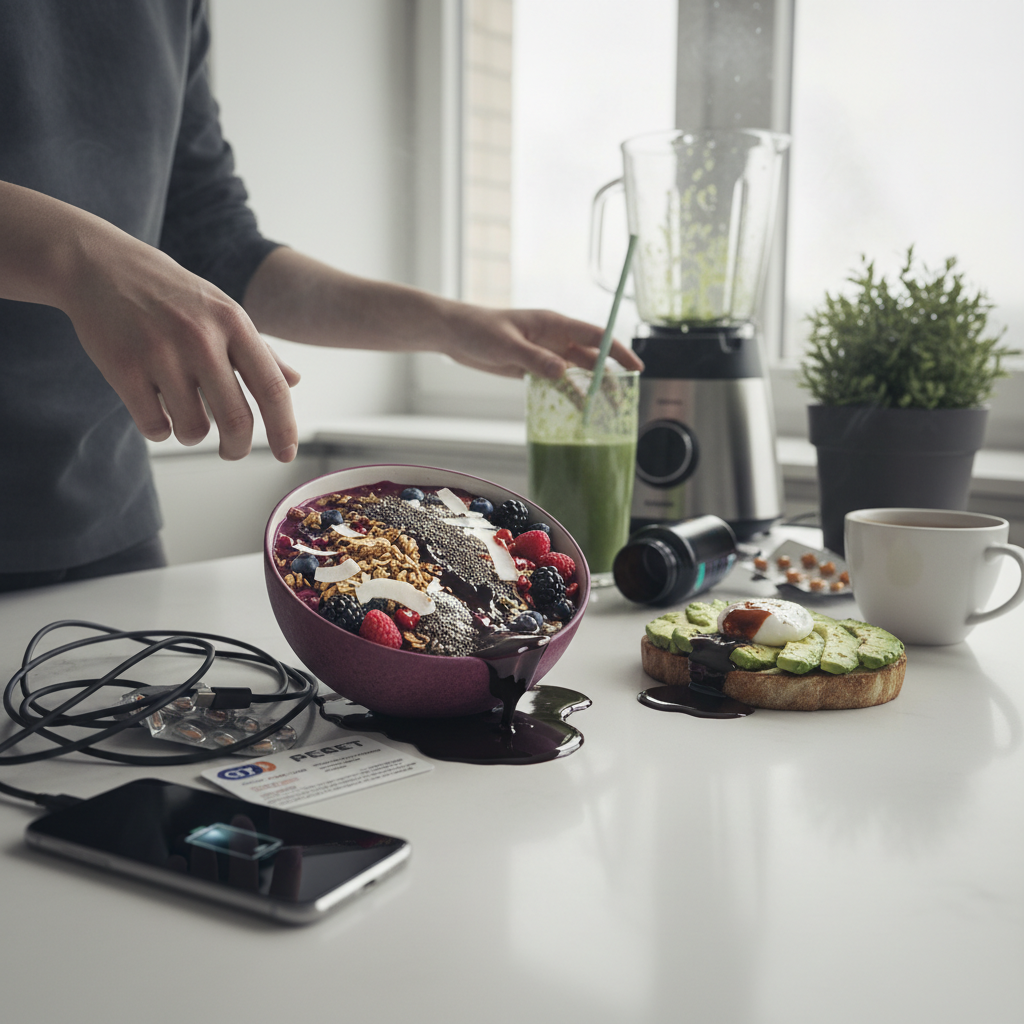
That Late-Night Craving Isn’t Just Hunger: What Nighttime Eating Actually Does to Your Sleep (And How to Fix It)
Do you ever find yourself staring at the ceiling at 2 AM, mindlessly replaying the day’s events, or tossing and turning after a late-night snack attack? You’re not alone. The cycle of evening overeating, restless sleep, and next-day grogginess is a frustrating reality for far too many of us.
It’s easy to blame a lack of willpower, but what if we told you that your nighttime eating habits have a secret, scientific language that your body is trying to speak? And when you learn to listen, you can transform your sleep, your energy, and your relationship with food – without a single restrictive diet rule.
At Seed to Spoon, we believe in empowering you with credible science wrapped in engaging storytelling. Today, we’re diving deep into the hidden connections between what, when, and how you eat after sundown and the quality of your sleep. Prepare to uncover:
- The surprising biological pathways that link your evening meal to your morning wake-up call.
- Common mistakes you might be making that inadvertently sabotage your rest.
- Simple, science-backed strategies to eat mindfully at night, feel satisfied, and embrace truly restorative sleep.
This isn’t about deprivation; it’s about *discovery*. Let’s peel back the layers and solve the mystery of your best night’s sleep, one mindful bite at a time.
The Hidden World of Nighttime Eating: It’s Not Just About Calories
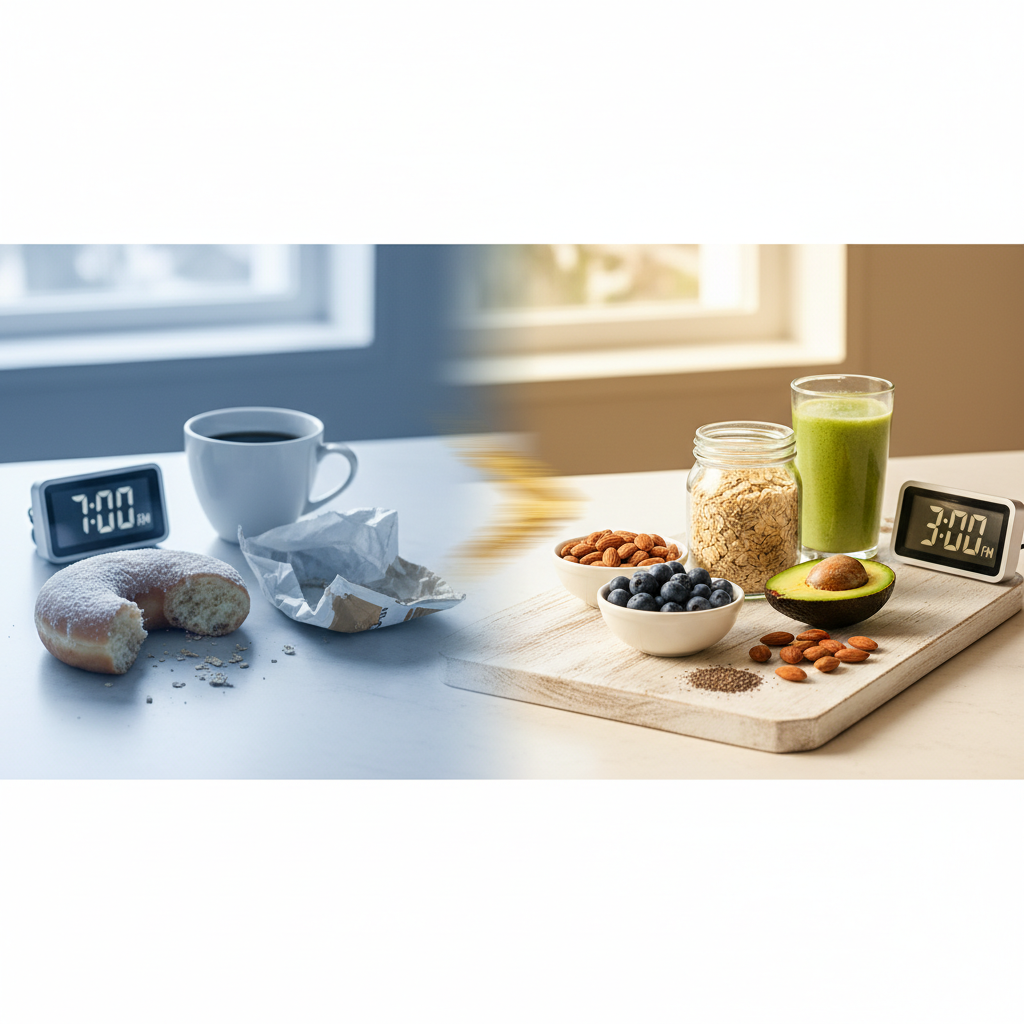
For decades, popular wisdom has screamed, “Don’t eat after 7 PM!” as if your digestive system simply shuts down at dusk, transforming any late-night morsel into pure, unadulterated fat. But the truth, as always, is far more nuanced – and fascinating.
The real issue isn’t when you eat, but what, how much, and why. Your body is a complex orchestra, and your evening meal is a critical cue to its various sections. Get it wrong, and the symphony of sleep can quickly devolve into a chaotic cacophony.
We’re going to explore the scientific mechanisms at play, revealing how your dinner plate can either usher you into dreamland or keep you pacing the halls of insomnia.
The Sleep Saboteurs: What Happens When You Eat Wrong at Night
Eating “wrong” at night isn’t about moral failure; it’s about inadvertently sending the wrong signals to your physiology. Here’s a look at the key pathways:
Digestion’s Night Shift: Why Heavy Meals Fight Sleep
Imagine trying to fall asleep while your internal factory is still churning at full capacity. That’s what happens when you consume heavy, high-fat, or overly spicy meals close to bedtime. Your digestive system kicks into overdrive, demanding energy and blood flow that should be directed towards rest and repair. This can lead to:
- Discomfort: Bloating, gas, and general stomach distress are hardly conducive to relaxation.
- Heartburn & Reflux: Lying down after a large meal can allow stomach acid to creep back up into the esophagus, causing painful heartburn (gastroesophageal reflux disease or GERD), which is a guaranteed sleep disruptor.
Studies show a clear link between meal timing, meal composition, and GERD symptoms, especially when meals are consumed within three hours of sleep.1
Blood Sugar’s Rollercoaster: The Link Between Sweets and Broken Sleep
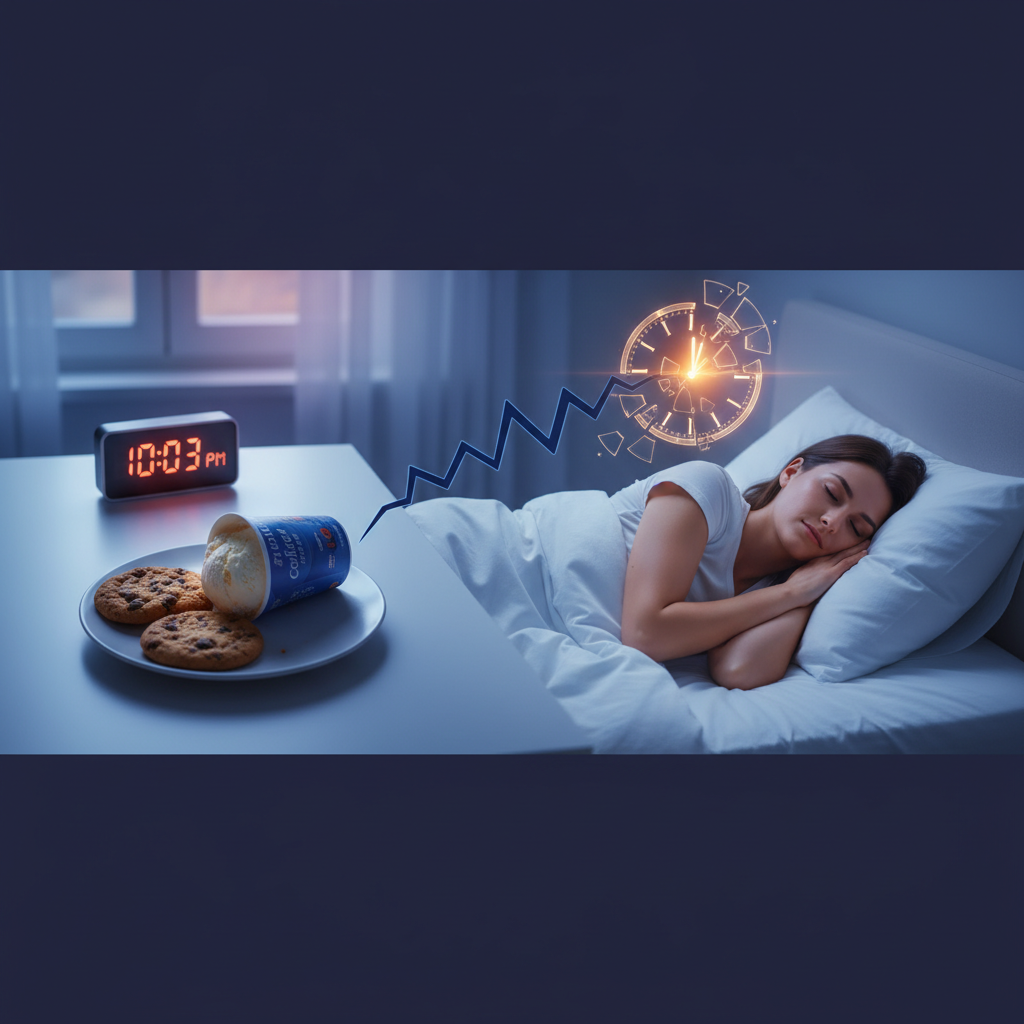
You crave that sugary treat, the bag of chips, or the refined carb feast late at night. It feels good for a moment, right? But here’s the twist: these foods often cause a rapid spike in your blood sugar. Your body then rushes to produce insulin to bring those levels down. What follows is often a sharp drop – a “blood sugar crash.”
This crash can trigger a stress response, prompting your body to release hormones like adrenaline and cortisol. These are your “fight-or-flight” hormones, and they’re the last thing you want surging through your system when you’re trying to drift off to sleep. They can cause:
- Night Sweats: A classic sign of a blood sugar drop.
- Restlessness: Your body feels agitated, making deep sleep elusive.
- Nighttime Waking: You might wake up feeling hungry or anxious, interrupting critical sleep cycles.
Balanced evening meals, on the other hand, stabilize blood sugar, providing a steady stream of energy that allows your body to remain calm and focused on sleep.2
Hormonal Havoc: Cortisol, Melatonin, and the Stress Loop
Your body operates on a circadian rhythm, a natural 24-hour clock that dictates when you feel awake and when you feel sleepy. Melatonin, your primary sleep hormone, naturally rises as evening progresses, signaling to your body that it’s time to wind down.
But erratic eating, emotional eating, or simply eating foods that stress your system can disrupt this delicate hormonal dance:
- Cortisol Spike: High stress, often triggered by emotional eating or blood sugar crashes, can elevate cortisol. Cortisol is the nemesis of melatonin; when one rises, the other tends to fall. This keeps you feeling “wired but tired.”
- Melatonin Suppression: Eating a very large meal, especially one high in stimulating nutrients or inflammatory compounds, can delay the natural release of melatonin, making it harder to initiate sleep.3
The Mind-Body Trap: Boredom, Stress, and the Guilt Cycle
Beyond the purely physical, a significant portion of nighttime eating is driven by psychological factors. The evening often presents a perfect storm for mindless munching:
- Boredom: The quiet of the evening, especially after a long day, can lead to seeking stimulation through food.
- Stress & Emotional Eating: Food becomes a coping mechanism for daily anxieties, loneliness, or frustration. You’re not hungry; you’re seeking comfort.
- Habit: Many people develop routines like “TV + snack” or “phone scrolling + chips” without any real hunger cues.
This often leads to a vicious cycle: mindless eating begets guilt, physical discomfort, disrupted sleep, and then the next day, you’re more tired, more stressed, and more likely to repeat the pattern. It’s a classic 2+2 scenario where the sum is far greater than its parts, leaving you wondering why you feel so off.
The “Oops” Moments: Common Nighttime Eating Traps We All Fall Into
Now that we understand the “why” behind disrupted sleep, let’s look at the “how” – the common behavioral patterns that set the stage for problem eating at night. You might recognize a few of these:
- Skipping Meals Earlier: The cardinal sin! If you under-eat during the day, your body will demand compensation later, often in the form of intense, undeniable hunger that leads to overeating at night. Your body is just trying to survive!
- Eating Large, Heavy Dinners: Beyond the digestive strain, massive portions, especially when they lack balanced macronutrients, can overwhelm your system right before it needs to wind down.
- Snacking Out of Boredom While Watching TV or Scrolling: This is the classic “distracted eating” trap. When your attention is elsewhere, your brain doesn’t register satiety signals, leading to continuous grazing.
- Grazing Continuously Instead of a Set, Satisfying Snack: A handful here, a bite there… it adds up. Without intentionality, you consume more calories and nutrients than your body needs, often without the satisfaction that comes from a focused eating experience.
- Eating Quickly and Not Noticing Fullness Signals: Our bodies take about 20 minutes to send “I’m full” signals to the brain. If you eat too fast, you’re likely to have eaten past your comfortable satiety point before your brain even gets the memo.
Recognizing these patterns isn’t about self-blame; it’s about gaining awareness and agency. You’ve identified the saboteurs; now it’s time to become the architect of your peaceful nights.
Your Nighttime Nutrition Reset: Eating for Deeper Sleep & Satiety (No Restrictions Required!)
Forget rigid rules and restrictive diets. The path to better sleep and a more peaceful relationship with evening food lies in mindful eating and strategic nourishment. Here’s your gentle, science-backed framework:
The Balanced Dinner Blueprint: Fueling for Overnight Success
Your evening meal is your last major opportunity to fuel your body for a night of repair and rest. Aim for balance, focusing on nutrients that promote calm and steady energy levels.
A balanced evening meal should generally include:
- Protein: Essential for satiety and helps stabilize blood sugar throughout the night. Think lean meats, fish, beans, lentils, or tofu.
- Healthy Fats: Supports hormone balance and contributes to sustained fullness. Avocado, olive oil, nuts, and seeds are great choices.
- Complex (Starchy) Carbohydrates: These are your friends! They support the production of serotonin, a calming neurotransmitter that’s a precursor to melatonin. Sweet potatoes, quinoa, brown rice, whole-grain pasta, or oats fit the bill.
- Non-Starchy Carbohydrates (Vegetables): Packed with fiber, vitamins, and minerals, they aid in digestion and provide crucial nutrients without bogging down your system. Fill half your plate with colorful veggies.
Some examples of sleep-supportive dinners:
- Baked salmon with roasted sweet potato wedges and a side of sautéed kale.
- Chickpea and vegetable curry with a small serving of brown rice.
- Turkey and avocado lettuce wraps with a quinoa and black bean salad.
- Lentil soup with a slice of whole-grain bread and a small side salad.
The 2-3 Hour Rule: Timing Your Last Meal for Optimal Digestion
While the “no eating after 7 PM” rule is overly simplistic, there’s wisdom in allowing your digestive system to do its heavy lifting before you lie down. Aim to finish your main evening meal at least 2–3 hours before bedtime. This window allows for adequate digestion, significantly reducing the likelihood of heartburn, bloating, or active metabolic processes disrupting your sleep onset.
This timing also supports your body’s natural melatonin production, ensuring a smoother transition to sleep. But what if hunger strikes closer to bedtime?
Decode Your Cravings: Is it Hunger or Something Else?
Before you reach for that snack, pause. Ask yourself: “Am I truly physically hungry, or is this something else?” Evening cravings often stem from stress, boredom, habit, or emotional needs, not true physiological hunger.
If you suspect it’s not true hunger, try these non-food soothing strategies:
- Gentle Movement: A short walk, some light stretching, or gentle yoga can release tension.
- Mindful Activities: Reading a physical book, journaling, or listening to calming music can divert your attention and soothe your nervous system.
- Deep Breathing or Meditation: Even 5-10 minutes can significantly reduce stress hormones.
- Herbal Tea Rituals: A warm cup of chamomile, valerian, or lavender tea can be incredibly calming.
After checking in with yourself and trying a non-food intervention, if you still feel a genuine rumble in your stomach, that’s your cue for a mindful snack. Listen to your body, not rigid rules!
Smart Snacking After Dark: Your Go-To Sleep-Friendly Options
If you need an evening snack, make it count. Choose foods that promote relaxation, contain sleep-supportive nutrients (like magnesium or tryptophan), and provide steady blood sugar without causing digestive distress. Think small, balanced, and intentional.
Excellent sleep-supportive snack ideas:
- Coconut yogurt with berries and a sprinkle of almonds: Provides protein, healthy fats, complex carbs, and magnesium.
- A small banana with a tablespoon of peanut butter: Bananas are a source of tryptophan and potassium, both linked to better sleep. Peanut butter adds healthy fats and protein.
- Whole-grain toast with almond butter: Complex carbs and healthy fats for sustained energy.
- A handful of walnuts and chamomile tea: Walnuts are unique for their natural melatonin content and healthy omega-3s.
- A small bowl of oatmeal with a dash of cinnamon: Complex carbs to boost serotonin.
The goal isn’t to avoid snacking altogether – that often leads to extreme hunger and overeating later – but to snack with intention and choose foods that truly nourish and prepare you for sleep.
Create Your Unwind Ritual: Making Eating Mindful
How you eat is just as important as what you eat. Creating a calming evening routine around food helps signal to your body and mind that it’s time to wind down. This slows your nervous system, supports digestion, and naturally reduces the urge to overeat.
Try incorporating these elements into your evening routine:
- Dim the lights: After dinner, dimming your home lights signals to your body that melatonin production should increase, initiating the wind-down process.
- Eat without distractions: Turn off the TV, put away your phone, and step away from your computer. Focus solely on your meal or snack.
- Savor slowly: Pay attention to the taste, texture, and aroma of your food. Chew thoroughly. This helps your brain register satiety signals more effectively.
- Notice fullness: Regularly check in with your body’s hunger and fullness cues. Stop when you’re comfortably satisfied, not stuffed.
- Express gratitude: Before moving on, take a moment to acknowledge and appreciate your meal. This simple act can foster a more positive relationship with food.
This mindful approach transforms eating from a mindless activity into a restorative ritual, deeply integrating your nutrition with your overall well-being and sleep hygiene.
The Truth About Night Eating: Why Avoiding It Completely Often Backfires
We’ve been conditioned to fear eating at night, often leading to a restrictive mindset. The common advice, “just don’t eat after X o’clock,” often creates an all-or-nothing trap. When you inevitably break that rigid rule, it can lead to feelings of failure, guilt, and even more frantic overeating.
Here’s the liberating truth: eating at night isn’t inherently “bad.” Your body isn’t a clock that suddenly turns off its ability to process nutrients at a specific hour. What matters is the quality of your food, the timing relative to your sleep, and the mindfulness with which you consume it.
When done intentionally and mindfully, a balanced, light evening snack or meal can actually:
- Support healthy blood sugar balance: Preventing those disruptive nighttime crashes.
- Provide emotional comfort: Through a calming, intentional ritual that addresses genuine needs.
- Help you sleep better: By satisfying true hunger and providing sleep-supportive nutrients, rather than worse.
- Prevent next-day overeating: By ensuring you’re not waking up ravenous from daytime or overnight deprivation.
This isn’t about ignoring your hunger; it’s about understanding it. It’s about empowering you to make choices that nourish both your body and your mind, leading to truly restorative sleep and a peaceful relationship with food, day and night.
Ready to Reset Your Evening Eating Habits?
If you’re tired of the cycle of restless nights, frustrating cravings, and next-day fatigue, it’s time for a gentle reset. Breaking free from nighttime overeating and cultivating truly restful sleep is within your reach, and it doesn’t require harsh restrictions or willpower battles.
We’ve created a free resource just for you: The Peaceful Eating Guide: Feel-Good Meals & a Free Mind in 3 Days. Inside, you’ll discover:
- A simple daily structure to support mindful eating, including strategic evening strategies.
- Gentle meal suggestions designed to stabilize energy and manage hunger throughout the day.
- Practical mindset shifts to let go of food guilt and overcome evening snacking struggles for good.
→ Download your free guide here and start your journey towards peaceful nights and rested mornings!
You’ll learn how to enjoy meals and snacks in a way that feels nourishing, supportive, and freeing – fostering a life where good sleep and joyful eating go hand-in-hand.
Frequently Asked Questions About Evening Eating & Sleep
A: Not necessarily. While heavy meals close to bedtime can disrupt sleep, a light, balanced snack before bed can actually support sleep for some people. The key is choosing the right foods and eating mindfully, allowing about 2-3 hours between your main meal and sleep.
A: Look for foods rich in magnesium, tryptophan, and complex carbohydrates. Good options include a small banana with peanut butter, a handful of walnuts, plain Greek yogurt with berries, whole-grain toast with almond butter, or a small bowl of oatmeal. These nutrients promote relaxation and steady blood sugar.
A: Focus on building balanced meals throughout the day to prevent extreme hunger later. Create mindful evening routines that don’t revolve around food, like reading or stretching. Most importantly, learn to distinguish between true physical hunger and emotional triggers (stress, boredom) for eating, and address the latter with non-food coping mechanisms.
A: Intermittent fasting (IF) typically involves an eating window and a fasting window. Depending on your chosen IF schedule, your eating window might end several hours before bedtime, meaning no food at night. However, IF isn’t for everyone, and some forms allow for earlier eating windows that may include light evening snacks. It’s crucial to find an approach that aligns with your body’s needs and consult with a healthcare professional.
A: While no supplement is a magic bullet, certain nutrients like magnesium can help with relaxation and may reduce stress-related cravings. Chromium picolinate has been studied for its role in blood sugar balance. However, supplements should always complement a balanced diet and healthy lifestyle, not replace them. Always consult your doctor or a registered dietitian before starting any new supplements.
References
- Fass, R., et al. (2012). Effect of an evening meal on nocturnal gastroesophageal reflux. Archives of Internal Medicine, 172(7), 562-567.
- Koren, D., et al. (2016). Effects of sleep and food intake on glucose regulation: a review of the literature. Diabetes Technology & Therapeutics, 18(1), 1-13.
- Zhao, X., et al. (2017). Relationship between sleep duration, timing of dinner, and obesity: A population-based cross-sectional study. Preventive Medicine, 105, 163-167.
- Prizl-Jakovac, T., & Bratko, D. (2013). The influence of emotional eating on the relationship between personality and obesity. Psychological Topics, 22(2), 295-316.
- St-Onge, M. P., et al. (2018). Impact of time of day on food intake and satiety in humans. Annual Review of Nutrition, 38, 393-412.
—
Medical Disclaimer: This article is for informational purposes only and is not intended as medical advice. The information provided has been reviewed by licensed Registered Dietitians but should not replace consultation with a qualified healthcare provider. Individual nutritional needs vary based on age, health status, medications, and other factors. Always consult with your doctor or a registered dietitian before making significant changes to your diet, especially if you have existing health conditions or are taking medications.
Content Review: This article has been reviewed by licensed Registered Dietitians for accuracy and adherence to current nutritional science and evidence-based guidelines.