You Think You Lack Willpower? The Real Reason You Can’t Stop Grazing (And How to End It For Good)
If you’ve ever found yourself mindlessly reaching for another handful of chips, a cookie, or just “something” to nibble on, even when your stomach isn’t rumbling, you’re not alone. Many of us are stuck in the “grazing cycle”—a relentless tug-of-war between wanting to stop and feeling utterly unable to resist the next snack. It’s frustrating, often accompanied by guilt, and it leaves you feeling anything but satisfied.
Most people blame willpower, or a lack thereof. But what if I told you that your constant grazing isn’t a moral failing, and it has very little to do with how “strong” your willpower is? The truth is far more fascinating and, frankly, empowering. As nutrition experts, we’ve seen countless individuals wrestle with this exact challenge, and we know the secret isn’t more restriction; it’s understanding the sneaky signals your body and brain are sending.
In this deep dive, we’re going to act like detectives, unraveling the hidden culprits behind your incessant snacking. We’ll expose why you feel compelled to eat all day, even when you’re not truly hungry, and equip you with practical, science-backed strategies to reclaim control. Prepare to transform your relationship with food, move beyond the endless grazing, and discover a newfound peace around your plate—without a single diet rule in sight.
The Mystery of the Missing Fullness: Why We Graze All Day
For centuries, our bodies evolved to seek and store food. But in today’s world of abundant, hyper-palatable snacks, this ancient drive can feel like a bug, not a feature. The problem isn’t usually a simple matter of hunger; it’s a complex interplay of biology, psychology, and environment. Let’s pull back the curtain on why you might be caught in this relentless cycle.
One of the biggest misconceptions about grazing is that it’s always a sign of true physical hunger. In reality, persistent snacking is often a whisper from our bodies (or brains!) about something else entirely. It’s like a smoke alarm going off when there’s no fire—the signal is there, but the cause isn’t what you expect. Understanding these root causes is the first crucial step in breaking free.
Your Meals Aren’t Pulling Their Weight (The Macronutrient Mismatch)
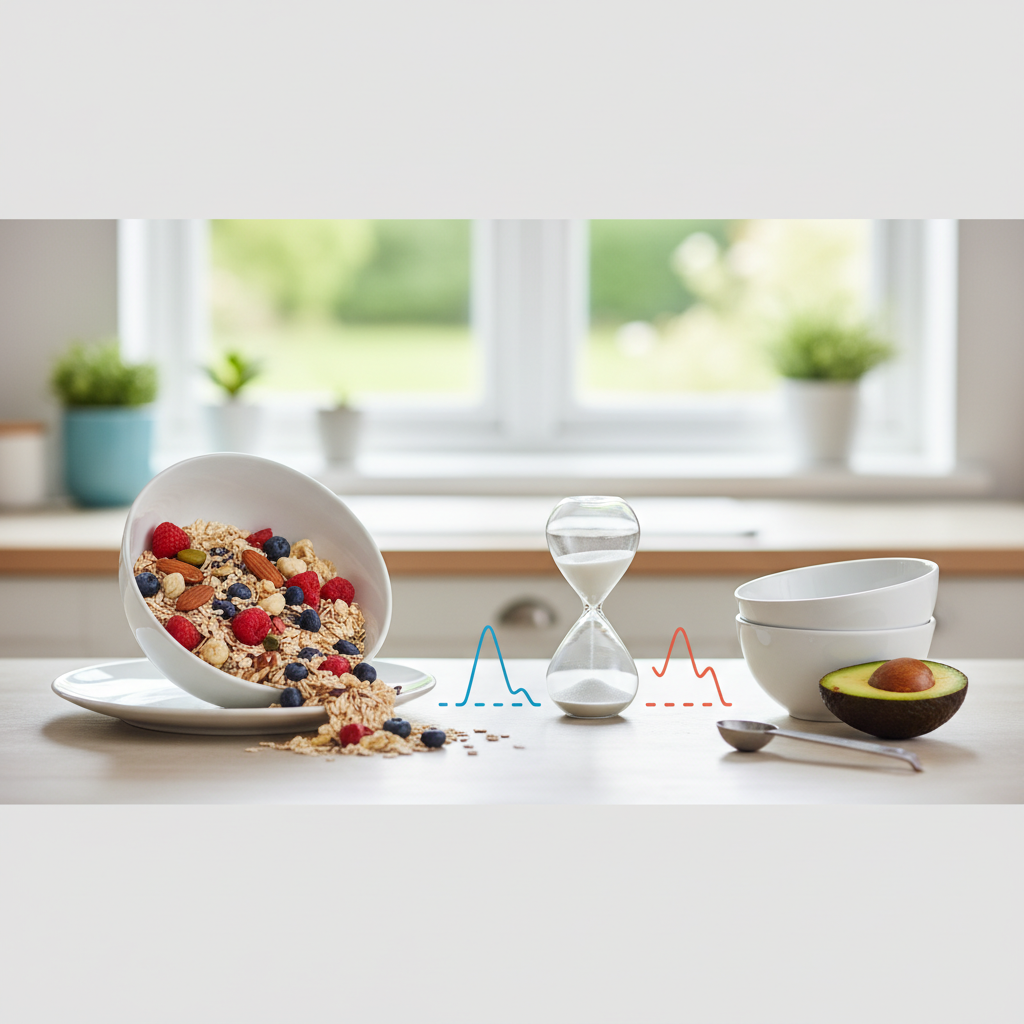
Imagine trying to fill a leaky bucket. No matter how much water you pour in, it never stays full. This is often what happens when your main meals lack balance. If your breakfast, lunch, or dinner skimps on key macronutrients, your body sends out “hunger” signals surprisingly quickly after eating, prompting you to graze.
Research consistently shows that a balanced meal containing adequate protein, fats, and fiber-rich carbohydrates is paramount for satiety. Protein, for instance, significantly impacts hormones like ghrelin (the hunger hormone) and GLP-1 (a satiety hormone), keeping you full longer.[1] Fats also contribute to satiety, slowing digestion and providing sustained energy. Without these satiety heavy-hitters, your body struggles to register true fullness, leaving you vulnerable to the next snack attack.
The Boredom-Stress-Snack Cycle (Emotional Hunger’s Grip)
This is where our investigation gets truly interesting. Many grazing episodes aren’t driven by an empty stomach, but by a full mind. Emotions like stress, boredom, anxiety, loneliness, or even excitement can all trigger a craving for food. Food, in these moments, becomes less about nourishment and more about comfort, distraction, or a temporary escape.
Studies show a strong link between stress and increased intake of palatable foods, often high in sugar and fat. This isn’t just about a “sweet tooth”; stress activates the body’s fight-or-flight response, which can lead to a physiological drive to consume energy-dense foods to fuel a perceived threat.[2] When you’re stressed or bored, your brain seeks dopamine hits, and food (especially sugary or fatty snacks) can deliver them quickly. This creates a powerful, often unconscious, emotional loop.
Your Internal GPS is Off (Disconnected Hunger Cues)
Years of dieting, strict eating rules, or simply ignoring your body’s signals can make you lose touch with your natural hunger and fullness cues. It’s like your internal GPS has gone rogue. Instead of eating when your body genuinely needs fuel, you might eat out of habit, convenience, or because “it’s snack time.”
Mindful eating research highlights the importance of interoception—the ability to perceive sensations within your body, including hunger and fullness. When this connection is weak, external cues (the clock, the sight of food, social situations) often override internal signals, leading to eating without true need.[3] The good news? You can recalibrate your internal GPS.
The Environment’s Sneaky Influence (Out of Sight, Out of Mind)
Our environment plays a far greater role in our eating habits than we often realize. If snacks are constantly visible, easily accessible, or strategically placed (think candy jars on desks, open bags on the counter), you’re far more likely to graze, often unconsciously. This is less about your personal weakness and more about your brain’s primal response to readily available resources.
Brian Wansink’s classic research on “mindless eating” demonstrated just how powerful environmental cues are. People ate significantly more candy when it was placed on their desks in a clear bowl compared to an opaque one, or when it was just slightly further away.[4] Your surroundings aren’t just background noise; they’re actively influencing your food choices.
The Perfectionism Trap (Why “Blowing It” Makes It Worse)
This is a subtle, yet powerful, driver of the grazing cycle. If you have an “all-or-nothing” mindset about eating—”I’m either on a diet or off a diet”—a single perceived slip-up can derail your entire day. The thought, “Well, I already blew it with that one cookie, might as well eat the whole bag,” is a classic example of this trap.
This cognitive distortion leads to a vicious cycle: you try to eat “perfectly,” inevitably slip up (because nobody is perfect!), feel guilty, and then give in to further grazing because “the day is already ruined.” This punitive mindset fuels more out-of-control eating rather than stopping it. Breaking free requires a kinder, more flexible approach.
Rewiring Your Brain: Practical Steps to Break the Cycle
Now that we’ve uncovered the various reasons you might be grazing, let’s shift our focus to actionable, sustainable strategies. The goal here isn’t to restrict yourself, but to empower you with awareness and tools so you can make choices that truly serve your body and mind.
Craft Meals That Actually Satisfy (The “Fullness Factor” Strategy)
Remember the leaky bucket? Let’s fix that. The foundation of stopping unnecessary grazing lies in building truly satisfying main meals. Each meal should be a symphony of macronutrients designed to keep you full, energized, and focused.
- Protein Power: Include a palm-sized portion of lean protein (chicken, fish, beans, lentils, tofu, Greek yogurt) at every meal. Protein is king for satiety and muscle repair.
- Healthy Fats for Flavor & Fullness: Don’t fear healthy fats! A tablespoon of avocado, nuts, seeds, or olive oil adds richness, aids nutrient absorption, and keeps you feeling satisfied.
- Fiber-Rich Carbohydrates: Think complex carbs like whole grains (quinoa, brown rice, oats), sweet potatoes, and plenty of non-starchy vegetables. Fiber slows digestion, stabilizes blood sugar, and adds volume.
- Veggies for Volume & Nutrients: Load up! Non-starchy vegetables are packed with nutrients and fiber, adding bulk to your meals without excess calories, helping you feel physically full.
This balanced approach helps regulate hunger hormones and provides sustained energy, eliminating the need to “fill in the gaps” with constant snacks. Think of each meal as a comprehensive fuel stop, not just a quick splash-and-dash.
Tune In: Reconnecting with Your Body’s True Signals (The Hunger Scale)
Before you reach for any food—especially a snack—pause. This micro-moment of awareness is incredibly powerful. Ask yourself:
- “Am I physically hungry, or am I feeling something else right now (boredom, stress, habit, thirst)?”
- “Where do I feel this sensation in my body? Is it a gnawing in my stomach, or a thought in my head?”
- “What would truly nourish me in this moment?”
You can even use a simple hunger scale (1 = starving, 10 = painfully full) to gauge where you are. Aim to eat when you’re around a 3-4 (gently hungry) and stop when you’re around a 6-7 (comfortably satisfied). This practice, known as mindful eating, helps you discern between true physical hunger and other drivers, empowering you to make intentional choices.[5]
Gentle Rhythms, Not Rigid Rules (Establishing Meal Anchors)
While strict schedules can backfire, establishing a gentle rhythm for your meals and *intentional* snacks can create a sense of stability. Your body thrives on routine. Try to have your main meals (breakfast, lunch, dinner) around the same general times each day. If you genuinely need a snack between meals, plan it consciously.
This isn’t about setting an alarm clock for every bite, but rather creating “anchors” for your eating. When your body learns it can expect nourishment at certain times, it can relax. This predictability reduces the constant “seeking” behavior that often leads to grazing.
Design Your “Anti-Grazing” Environment (Strategic Snack Placement)
Remember how environmental cues impact us? Let’s use that knowledge to your advantage. Become the architect of your food environment.
- Out of Sight, Out of Mind: Store tempting snacks in opaque containers, in less accessible cupboards, or even out of the kitchen altogether. If you can’t see it, you’re less likely to grab it.
- Designated Eating Zones: Keep your meals and snacks in the kitchen or a specific eating area. Avoid eating at your desk, in front of the TV, or in bed, as these habits can lead to mindless consumption.
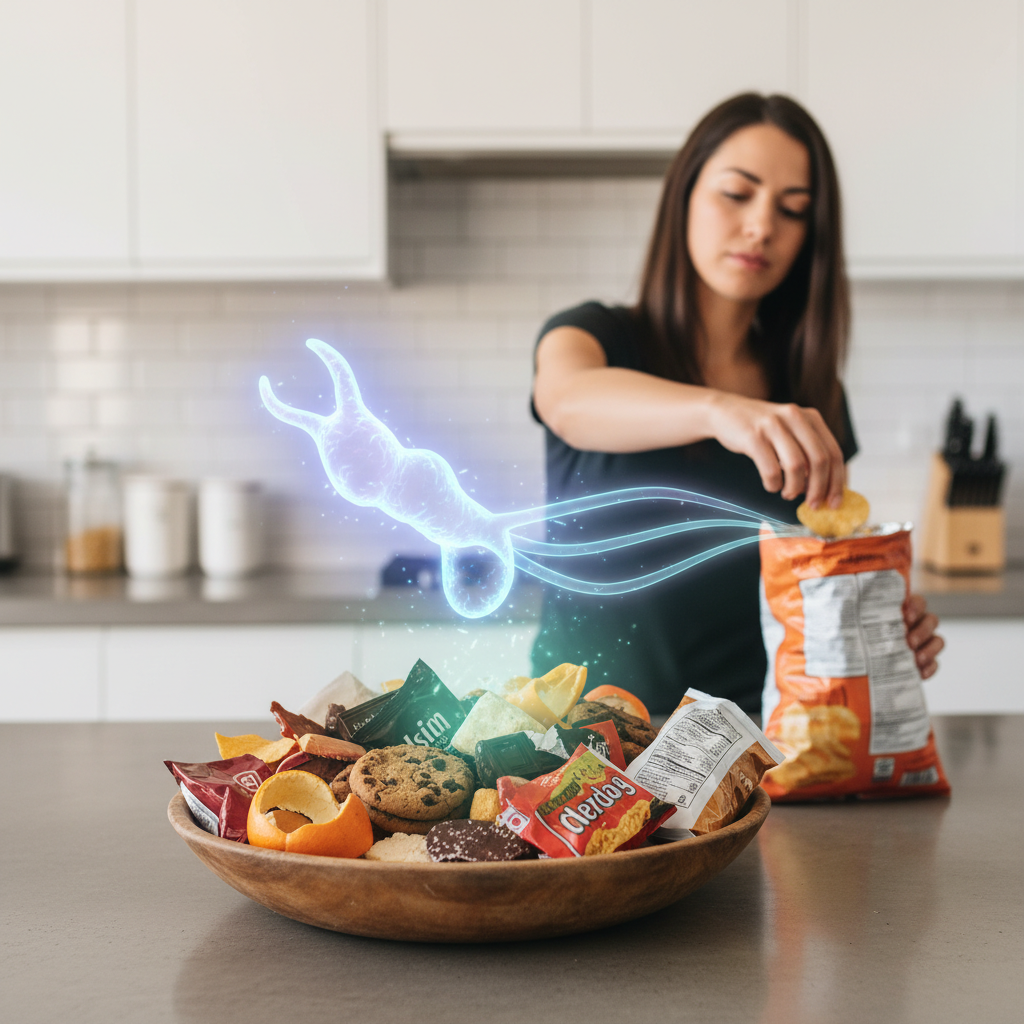
- Plate Your Portions: Always use a plate or bowl, even for snacks. Eating directly from bags or packages encourages mindless overconsumption. Portion out a sensible amount and put the rest away.
These small shifts in your environment can have a profound impact on your grazing habits, making it easier to make intentional choices.
Soothe the Soul, Not Just the Stomach (Non-Food Coping)
If emotional triggers are a big part of your grazing, it’s crucial to develop a toolbox of non-food coping mechanisms. When that urge to snack hits, and you’ve identified it as emotional (not physical hunger), try one of these alternatives:
- Deep Breathing or Mini-Meditation: Even 2-3 minutes can calm your nervous system.
- Journaling: Write down what you’re feeling. Simply acknowledging emotions can diffuse their power.
- Movement: A quick walk around the block, a few stretches, or dancing to a favorite song can shift your mood.
- Connection: Call a friend, cuddle a pet, or reach out to a loved one.
- Sensory Engagement: Listen to music, light a candle, take a warm bath, or engage in a hobby.
These actions address the underlying emotional need, offering genuine comfort or distraction that food can never truly provide. It’s about giving your emotions the attention they deserve, without involving your digestive system.
Embrace the “Good Enough” Mindset (Escaping All-or-Nothing)
Finally, and perhaps most crucially, release the grip of perfectionism. The “all-or-nothing” mentality is a major sabotaging force when it comes to eating habits. If you eat one unplanned snack, don’t let it become an excuse to “blow the whole day.”
Every moment is a fresh start. If you grazed when you didn’t mean to, simply acknowledge it without judgment, and choose differently at your next eating opportunity. There’s no need for guilt or punishment. This compassionate approach—often referred to as self-compassion—has been shown to be more effective for long-term behavior change than self-criticism.[6] Your journey to ending grazing doesn’t have to be perfect; it just needs to keep moving forward.
The Truth About Snacks: Friend or Foe?
It’s important to clarify: snacking isn’t inherently “bad.” In fact, strategic, mindful snacking can be a valuable tool to maintain energy, manage hunger between meals, and provide additional nutrients. The key, as with all things in nutrition, is *intention* and *mindfulness*.
If you genuinely feel hungry between meals, a well-chosen snack can prevent you from becoming overly ravenous, which often leads to overeating at your next meal. Think of it as a small, mindful bridge to your next main meal, not a free-for-all.
When you do choose to snack, make it count:
- Check In First: Always pause and assess your hunger level. Is this physical hunger?
- Portion & Plate: Put your snack on a plate or in a bowl, and enjoy it distraction-free.
- Balance Your Bites: Opt for snacks that combine protein, fiber, and healthy fats for sustained satisfaction (e.g., apple slices with nut butter, Greek yogurt with berries, a handful of nuts).
Your Next Step: Reclaim Your Peace with Food
You don’t need another strict eating plan or harsh rules to stop grazing. When you approach eating with curiosity, compassion, and mindful structure, you can naturally shift away from constant snacking—and move toward peace with food. The journey from mindless grazing to mindful eating is a marathon, not a sprint, but every step towards greater awareness is a victory.
Frequently Asked Questions About Grazing & Snacking
Q: Is it bad to snack throughout the day?
Not necessarily. The “badness” comes from *why* you’re snacking. If it’s truly due to physical hunger and you choose a balanced, mindful snack, it can be beneficial. Constant grazing out of habit, boredom, or stress, however, often points to unmet needs and can lead to discomfort and disconnection from your body.
Q: Why can’t I stop snacking even when I’m full?
This is a classic sign of emotional eating or mindless eating driven by environmental cues. Your body might be physically satisfied, but your brain is seeking comfort, distraction, or stimulation. Reconnecting with your body’s true hunger and fullness signals and developing non-food coping strategies are key to addressing this.
Q: How long does it take to break the grazing habit?
The timeline varies for everyone, as it depends on how deeply ingrained the habits are and what the underlying triggers are. However, many people notice significant shifts within a few days to a few weeks of consistently practicing mindful eating, balancing their meals, and addressing emotional triggers. Consistency is more important than speed.
Q: What if I feel truly hungry between meals?
If you’ve eaten a balanced meal and still feel genuine physical hunger after a few hours, a mindful snack is absolutely appropriate! The goal isn’t to starve yourself but to listen to your body and fuel it adequately. Choose a snack that offers protein, fiber, and healthy fats for sustained energy.
Q: Can I still enjoy my favorite snacks?
Absolutely! Restriction often leads to rebellion. The aim is to enjoy your favorite snacks *mindfully*. This means choosing to eat them when you genuinely desire them, savoring each bite, and stopping when you’re satisfied, rather than mindlessly consuming large quantities out of habit or emotion.
References
- Leidy, H. J., Clifton, P. M., Astrup, A., Wycherley, T. P., Westerterp-Plantenga, M. S., Luscombe-Marsh, N. D., … & Mattes, R. D. (2015). The role of protein in weight loss and maintenance. The American Journal of Clinical Nutrition, 101(6), 1320S-1329S. Link
- Torres, S. J., & Nowson, C. A. (2007). Relationship between stress, eating behavior, and obesity. Nutrition, 23(11-12), 887-894. Link
- Herbert, B. M., Pollatos, O., & Schandry, R. (2007). Interoceptive sensitivity and emotional experience: The influence of the cardiac cycle. Biological Psychology, 76(1-2), 1-10. Link
- Wansink, B. (2006). Mindless Eating: Why We Eat More Than We Think. Bantam Books. (Concept, not specific peer-reviewed article, but foundational research in the field).
- Kristeller, J. L., & Wolever, J. Q. (2011). Mindfulness-based eating awareness training for treating binge eating disorder: the conceptual foundation. Mindfulness, 2(1), 1-13. Link
- Kelly, A. C., & Stephen, M. (2019). The relationship between self-compassion and eating psychopathology: A meta-analysis. Mindfulness, 10(3), 395-408. Link
—
Medical Disclaimer: This article is for informational purposes only and is not intended as medical advice. The information provided has been reviewed by licensed Registered Dietitians but should not replace consultation with a qualified healthcare provider. Individual nutritional needs vary based on age, health status, medications, and other factors. Always consult with your doctor or a registered dietitian before making significant changes to your diet, especially if you have existing health conditions or are taking medications.
Content Review: This article has been reviewed by licensed Registered Dietitians for accuracy and adherence to current nutritional science and evidence-based guidelines.