The Holiday Overeating Trap: Why ‘Trying Harder’ Never Works (And 5 Secrets That Do)
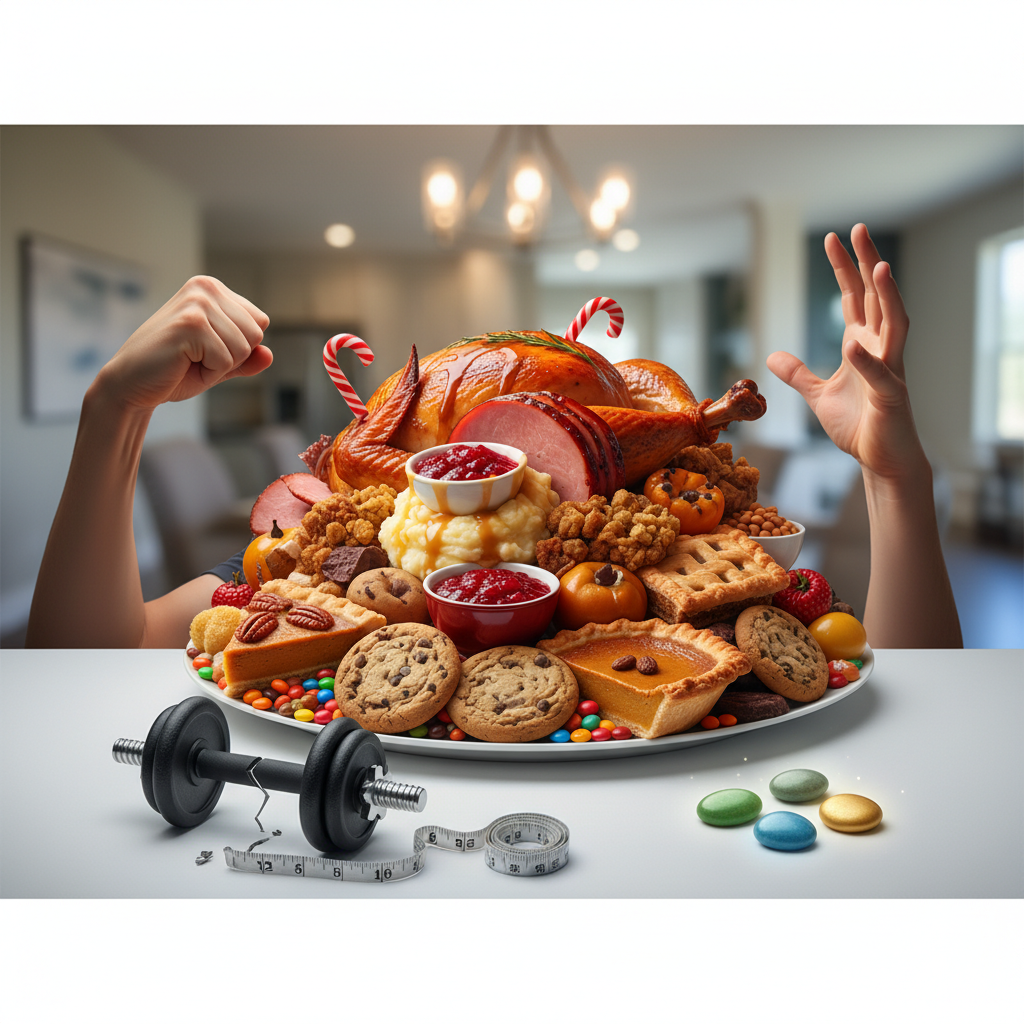
Ah, the holidays. A time of joy, connection, twinkling lights, and… a seemingly endless buffet of delicious, tempting food. For many of us, it’s also a time of quiet dread, a battle against the bulge that feels pre-destined to lose. You promise yourself this year will be different. You’ll be strong. You’ll exercise willpower. Yet, before you know it, you’re on your third plate, feeling stuffed, guilty, and wondering how you ended up here *again*.
If this sounds familiar, take a deep breath. You’re not weak, and you’re certainly not alone. The problem isn’t your willpower; it’s the powerful, often subconscious forces at play during the festive season. Forces that can hijack even the best intentions. What if I told you that trying harder often makes things worse, and that there are proven, smarter strategies that can genuinely help you navigate the holiday feast without feeling defeated?
At Seed to Spoon, we believe in understanding the “why” behind your struggles, so you can build lasting, healthy habits that actually work. This article will unravel the psychological and physiological traps of holiday overeating, backed by the latest science. We’ll reveal 5 game-changing secrets that go beyond mere restriction, helping you find joy in your food, celebrate without regret, and truly stop the holiday overeating cycle.
The Holiday Paradox: Why We Feast, Feel Guilty, and Repeat
The holidays are a sensory overload, a whirlwind of sights, sounds, and most powerfully, tastes. For centuries, food has been at the heart of human celebration, tradition, and comfort. From grandma’s legendary pecan pie to the specific scent of spiced cider, these experiences are deeply woven into our emotional fabric. It’s no wonder that trying to simply “diet” through it feels like fighting against everything that makes the season special.
But here’s the kicker: this deeply ingrained connection to food, combined with modern holiday abundance, creates a perfect storm for overeating. We’re not just eating calories; we’re consuming nostalgia, coping with stress, and participating in rituals. Understanding these layers is the first step to reclaiming control.
Think about it: social gatherings, celebratory toasts, beloved family recipes passed down through generations. These aren’t just meals; they’re emotional touchstones. For many, the holidays also bring unique stressors – family dynamics, financial pressures, or the sheer chaos of managing a packed schedule. All of these factors can contribute to what we often call “emotional eating,” a coping mechanism where food becomes a balm for stress, anxiety, or even loneliness. Research consistently links heightened stress levels to increased cravings for high-sugar, high-fat foods, a physiological response designed to calm the nervous system (even if it’s a short-term fix with long-term consequences).
The challenge isn’t just about the food itself, but about the deeply ingrained habits and emotional associations we bring to the table. Most people attempt to combat holiday overeating with brute-force willpower, a tactic that scientific literature repeatedly shows is a finite resource. When your willpower runs low (and believe me, holiday stress will drain it fast), those well-meaning resolutions crumble. It’s time for a smarter approach.
The Brain Science Behind Your Holiday Cravings (And Overeating)
To truly conquer holiday overeating, we need to understand the powerful forces within our own minds and bodies. It’s not just about what’s on the plate; it’s about what’s happening in your brain and gut.
The Scarcity Mindset: More Than Just “Wanting It”
Have you ever felt that intense urge to pile your plate high, telling yourself, “I have to eat all this now because it’s only available once a year!”? That, my friend, is the scarcity mindset in full effect. It’s a primal psychological response that kicks in when we perceive something as limited or rare. Our brains are hardwired to value scarce resources, pushing us to consume them aggressively before they’re gone. It’s an evolutionary leftover from times when food truly *was* scarce.
This mindset isn’t logical; it’s deeply emotional. It whispers lies: “This is your *only* chance!” or “You *deserve* to have all of it!” When we succumb, we end up feeling overly full, guilty, and typically, just as stressed as before. The irony? Holiday foods *do* come back every year. And many cherished recipes can be made any time you wish.
Secret 1: Challenge Scarcity with Abundance.
Instead of viewing holiday treats as fleeting, remind yourself of their cyclical nature and your agency. Tell yourself, “These traditions come every year,” or “I can get this recipe and make it another time.” This shift from perceived scarcity to acknowledged abundance disarms the primal urge to gorge. You are in control of recreating these foods outside of the season, if you truly love them.
Mindless Munching: When Your Brain Checks Out
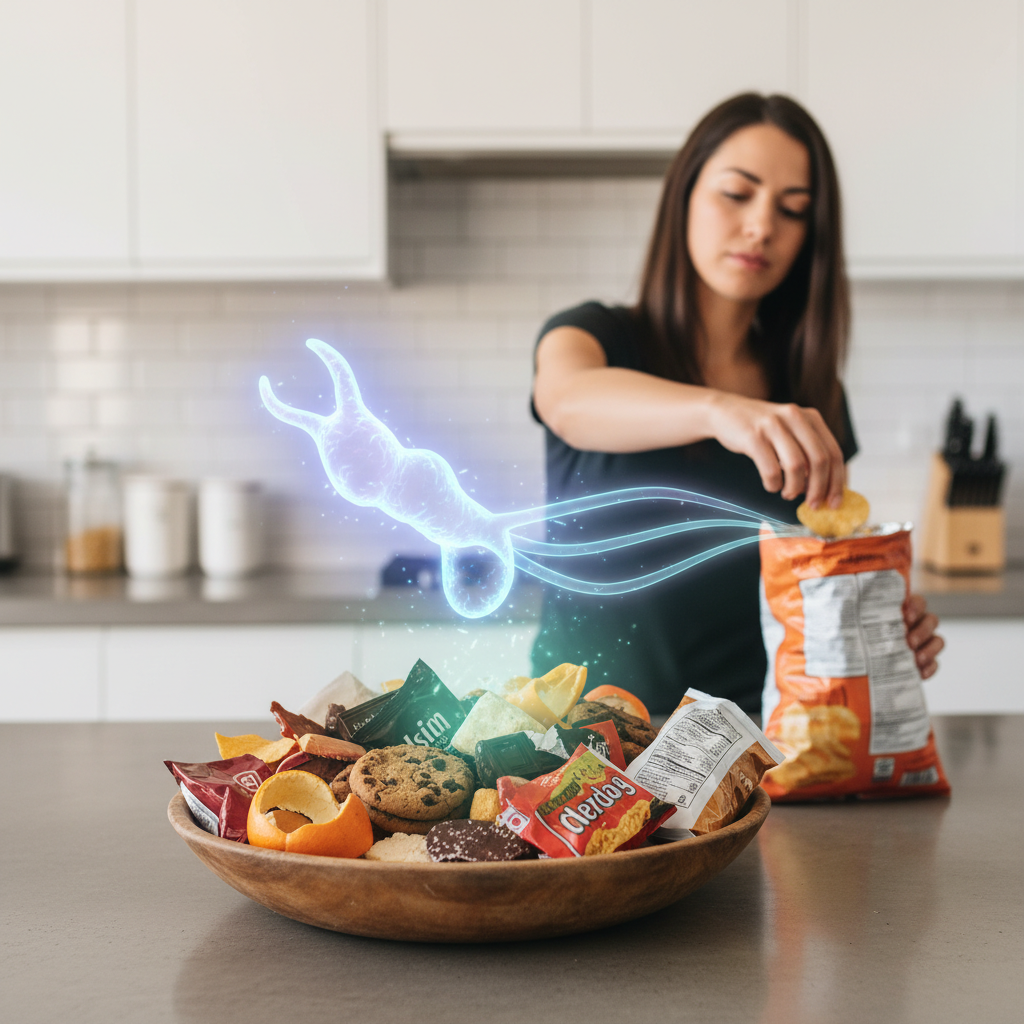
Picture this: you’re chatting with family, watching a holiday movie, or engrossed in a board game, and your hand just keeps reaching for the snack bowl. Before you know it, it’s empty, and you barely remember eating any of it. This is mindless eating, and it’s a huge culprit during the holidays.
Our attention is a finite resource. When we’re distracted by conversation, screens, or even just the general buzz of a party, our awareness of what and how much we’re eating plummets. Research from the field of mindful eating shows that paying attention to your food—its taste, texture, smell—significantly reduces overall consumption and increases satisfaction. Conversely, distraction leads to overconsumption because your brain never truly registers fullness or enjoyment.
Secret 2: Savor Mindfully, Skip the Mediocre.
Before you eat something, pause. Ask yourself: “Do I genuinely *want* this, or am I just eating because it’s there?” If it’s a resounding “yes,” then truly savor it. Take small bites. Notice the flavors, the textures. Put your fork down between bites. And for goodness sake, leave the bland, stale, or “meh” options alone! Life’s too short for mediocre holiday cookies. Focus your enjoyment on the dishes you truly love and anticipate all year.
The Hunger Games: Why Skipping Meals Backfires
This one’s a classic holiday move: “I’ll fast all day so I can really indulge tonight!” It sounds logical, right? Save up those calories. But our bodies are smarter than that. When you intentionally starve yourself, you trigger a cascade of physiological responses designed to prevent starvation.
Your blood sugar drops, hunger hormones like ghrelin surge, and your brain enters “seek and devour” mode. By the time you get to the party, you’re not just hungry; you’re *famished*. This extreme hunger makes mindful eating virtually impossible. Your body prioritizes rapid calorie intake over thoughtful choices, often leading to overeating quickly and feeling uncomfortably full. Studies on appetite regulation consistently demonstrate that severe energy restriction prior to a meal leads to compensatory overeating.
Secret 3: Never Go to a Party on an Empty Stomach.
Treat your day like any other day. Eat regular, balanced meals. Before a holiday gathering, have a small, nutrient-dense snack with protein and fiber (like an apple with peanut butter, or Greek yogurt). This takes the edge off your hunger, stabilizes blood sugar, and allows you to approach the buffet with a calm, discerning mind, rather than a desperate, ravenous one.
Stress & the Comfort Food Connection
The holidays, for all their sparkle, can be incredibly stressful. Navigating family dynamics, managing endless to-do lists, and juggling social engagements can crank up your cortisol levels. And cortisol, the body’s primary stress hormone, has a well-documented relationship with food intake.
Chronic stress can increase cravings for high-calorie, high-sugar, and high-fat “comfort” foods. Why? These foods can temporarily boost feel-good neurotransmitters like serotonin and dopamine, creating a fleeting sense of relief or pleasure. It’s a quick fix that your brain learns to associate with stress reduction, even though it doesn’t solve the underlying problem. This emotional eating pathway becomes a well-worn groove during periods of high stress.
Secret 4: Actively Manage Your Holiday Stress.
Since stress eating is a significant driver of holiday overeating, active stress management isn’t optional; it’s essential. This could be anything from a 10-minute meditation, a brisk walk, journaling your thoughts, deep breathing exercises, or simply stepping away for a few moments of quiet. Proactively manage your stress, and you’ll naturally reduce the urge to seek solace in food. Think of it as putting out small fires before they become raging infernos.
The Balance Spectrum: Beyond “Good” and “Bad” Foods
Often, holiday eating advice boils down to “eat less of the bad stuff and more of the good stuff.” But this black-and-white thinking can set you up for failure. Labeling foods as inherently “good” or “bad” creates unnecessary guilt and shame, which ironically, can trigger more overeating.
The reality is that nutrition exists on a spectrum. On one end, there’s pure nourishment – foods packed with vitamins, minerals, fiber, and lean protein. On the other, there’s pure enjoyment – foods that are perhaps less nutrient-dense but bring immense pleasure, cultural significance, or nostalgic comfort. A truly sustainable approach to food, especially during the holidays, acknowledges both sides of this spectrum.
The principles of intuitive eating, which emphasize honoring your hunger and satiety cues while rejecting the diet mentality, support a balanced approach. It’s about recognizing that all foods can fit into a healthy, joyful life, provided there’s an overall pattern of balance.
Secret 5: Find Your Balance: Nourish AND Enjoy.
Instead of rigid rules, aim for balance. Don’t deprive yourself of your absolute favorite holiday treats, but make sure they’re surrounded by plenty of nourishing options. Prioritize vegetables, lean proteins, and whole grains throughout the day and around your celebratory meals. Think of it like a seesaw: if you lean heavily into enjoyment foods, consciously add more nourishing choices to bring it back to center. This mindset reduces guilt and fosters a healthier, more sustainable relationship with food.
Your Holiday Action Plan: Making These Secrets Stick
Now that we’ve uncovered the “why,” let’s put these secrets into action. It’s about strategic eating, not restrictive dieting. Here’s how to implement these game-changers:
- Before the Party: Fuel Up Smart. About an hour before a big holiday meal, grab a small snack rich in protein and fiber. Think Greek yogurt, a handful of almonds, or a hard-boiled egg. This stabilizes blood sugar and ensures you arrive hungry, but not ravenous.
- At the Buffet: Scan and Select. Don’t just grab the first thing you see. Take a moment to survey all the offerings. Identify the dishes you truly love and look forward to all year. Pass on the mediocre stuff without a second thought.
- Plate with Intention: The “One-Third Rule.” Aim to fill at least one-third of your plate with vegetables (salad, roasted veggies, etc.). The fiber will help you feel fuller faster and reduce the space for less-nutritious options. Another third can be lean protein, and the final third your chosen starches and treats.
- Eat Slowly and Mindfully: Engage Your Senses. Put your fork down between bites. Engage in conversation. Notice the flavors, textures, and aromas. Really taste your food. This allows your brain to catch up with your stomach’s fullness signals, helping you recognize satisfaction before you hit uncomfortable fullness.
- Hydrate Thoughtfully: Water is Your Ally. Sip water throughout the day and during your meals. Sometimes, we mistake thirst for hunger. Plus, it aids digestion and can help slow down your eating pace.
- Plan Your Indulgences: The “Treat Triangle.” Instead of an all-or-nothing approach, choose 1-3 specific treats you truly want to enjoy. Savor those fully, and then move on. This allows for enjoyment without uncontrolled indulgence.
- Move Your Body: A Stress-Buster and Digestion Aid. Even a 15-minute walk can do wonders for stress relief and aid digestion after a meal. It’s not about “burning off” calories, but about feeling good and managing stress.
When It’s More Than Just Holiday Cheer (Or Stress)
While these strategies are incredibly effective for navigating typical holiday overeating, it’s important to acknowledge that for some, the relationship with food can be more complex. If you find yourself consistently struggling with intense food cravings, binge eating, or using food as your primary coping mechanism for severe stress or emotional distress, it might be more than just a holiday challenge. These behaviors could signal an underlying issue that requires professional attention.
Conditions like binge eating disorder, chronic emotional eating patterns that significantly impact your daily life, or extreme anxiety around food are best addressed with the support of a qualified healthcare provider. This could include a licensed therapist specializing in eating disorders, a registered dietitian who can provide personalized medical nutrition therapy, or your primary care physician.
These secrets are powerful tools for self-management, but they are not a substitute for professional medical or psychological advice when deeper issues are at play. Be kind to yourself, and don’t hesitate to seek help if you need it. There is no shame in reaching out for support; in fact, it’s a sign of strength.
Conclusion: Reclaim Your Holiday Joy
The holiday season should be about joy, connection, and creating beautiful memories, not a yearly battle with your plate and your self-esteem. By understanding the psychological and physiological traps that drive overeating, you can equip yourself with smarter strategies that empower, rather than restrict.
Forget the guilt, ditch the diet mentality, and embrace a balanced approach that allows you to truly enjoy the season’s delights without the typical aftermath of regret and discomfort. It’s about finding freedom around food, not fighting it.
Here are your key takeaways to transform your holiday eating experience:
- Challenge the Scarcity Mindset: Remind yourself holiday foods are seasonal, not once-in-a-lifetime.
- Practice Mindful Eating: Savor your favorite dishes deliberately; skip the ones you don’t truly enjoy.
- Pre-Fuel Smartly: Never go to a holiday gathering on an empty stomach to prevent over-the-top hunger.
- Actively Manage Stress: Integrate stress-reducing practices to curb emotional eating tendencies.
- Embrace the Balance Spectrum: Aim for a blend of nourishing and enjoyable foods, not an all-or-nothing approach.
This holiday season, give yourself the gift of peace and presence at the table. You deserve to enjoy every moment, food included, without the shadow of overeating. Explore more insights on mindful eating and sustainable health on Seed to Spoon to keep building on this foundation.
FAQs: Your Holiday Eating Questions, Answered
How can I handle family or friends who push me to eat more?
This is a common challenge! The key is polite but firm boundaries. You can say, “It’s delicious, but I’m truly satisfied right now,” or “I’m really enjoying what I have, thank you!” You don’t need to over-explain or justify your choices. A simple, appreciative decline is usually enough. Remember, your body is your own, and your food choices are personal.
Is it okay to “splurge” on holiday foods?
Absolutely! The concept of “splurging” itself can sometimes trigger an all-or-nothing mindset. Instead, think of it as “conscious enjoyment.” Choose 1-3 truly special dishes or treats you genuinely love, and savor them mindfully. The goal isn’t perfection, but balance and satisfaction without guilt. A healthy relationship with food includes flexibility and enjoyment.
What if I’ve already overeaten at a holiday event?
Don’t fall into the guilt trap! One meal, or even a few days, of overeating won’t derail your long-term health. The best thing you can do is acknowledge it without judgment, forgive yourself, and get back on track with your next meal. Focus on hydrating, choosing lighter, nutrient-dense foods, and moving your body gently. Avoid compensatory restriction, which often leads to another cycle of overeating.
How can I make healthier versions of holiday classics?
Many holiday recipes can be subtly tweaked without sacrificing flavor! Try incorporating more vegetables, using whole grains instead of refined, reducing added sugars, or swapping out some saturated fats for healthier alternatives like olive oil or avocado oil. Even small changes, like adding extra spices or herbs for flavor, can make a difference. Check out Seed to Spoon’s recipe section for ideas!
Does alcohol contribute to holiday overeating?
Yes, it often does. Alcohol contains calories and can lower inhibitions, making it harder to make mindful food choices. It can also disrupt blood sugar balance, leading to increased cravings. If you choose to drink, do so in moderation, and try to alternate alcoholic beverages with water to stay hydrated and manage intake. Being mindful of both food and drink is key.
How important is exercise during the holidays?
Exercise is incredibly beneficial, not primarily for “burning off” holiday calories, but for stress management, mood enhancement, and maintaining routine. Even short bursts of activity, like a brisk walk after a meal or a quick home workout, can make a big difference in how you feel, both physically and mentally. It helps combat holiday stress, which in turn reduces emotional eating.
References
- NIH National Institute of Diabetes and Digestive and Kidney Diseases. (n.d.). Eating, Diet, & Nutrition for Weight Control. Retrieved from https://www.niddk.nih.gov/health-information/weight-management/eating-diet-nutrition-weight-control
- Harvard T.H. Chan School of Public Health. (n.d.). Mindful Eating. Retrieved from https://www.hsph.harvard.edu/nutritionsource/mindful-eating/
- Van Strien, T., Frijters, J. E., Bergers, G. P., & Defares, P. B. (1986). The Dutch Eating Behavior Questionnaire (DEBQ) for assessment of restrained, emotional, and external eating behavior. International Journal of Eating Disorders, 5(2), 295-316. https://pubmed.ncbi.nlm.nih.gov/24580226/
- Tomiyama, A. J., Schardt, A., & Eng, L. (2012). Stress and eating: A meta-analysis. Health Psychology, 31(6), 707-717. https://pubmed.ncbi.nlm.nih.gov/22420993/
- Rolls, B. J. (2009). The relationship between dietary energy density and energy intake. Physiology & Behavior, 97(5), 609-613. https://pubmed.ncbi.nlm.nih.gov/17997232/
- Chapman, K. S., & MacIntyre, J. D. (2018). Food insecurity and its relation to emotional eating in college students. Eating Behaviors, 31, 35-39. https://pubmed.ncbi.nlm.nih.gov/29969871/
- Lunn, J., & Theobald, H. E. (2006). The health effects of dietary fibre. Nutrition Research Reviews, 19(1), 106-120. https://pubmed.ncbi.nlm.nih.gov/19087545/
- USDA Dietary Guidelines for Americans. (2020). MyPlate. Retrieved from https://www.myplate.gov/eat-healthy/dietary-guidelines
**Medical Disclaimer:** This article is for informational purposes only and is not intended as medical advice. The information provided has been reviewed by licensed Registered Dietitians but should not replace consultation with a qualified healthcare provider. Individual nutritional needs vary based on age, health status, medications, and other factors. Always consult with your doctor or a registered dietitian before making significant changes to your diet, especially if you have existing health conditions or are taking medications.
**Content Review:** This article has been reviewed by licensed Registered Dietitians for accuracy and adherence to current nutritional science and evidence-based guidelines.