The Produce Pesticide Drama Nobody Expected: Why Your “Healthy” Berries Are Breaking the Safety Scale (And 12 Swaps That Offer Even More Nutrition)
Yesterday morning I finished my usual “clean” breakfast bowl—blueberries, blackberries, spinach—then opened Consumer Reports’ new eight-year pesticide-chemistry deep-dive.
Plot twist: five of the six foods on that cereal box “eat the rainbow” graphic landed in the **“very high risk” category**. Blueberries? So bad they triggered new EPA health warnings. Kale? Again. And the worst culprit isn’t the exotic import—it’s what most shoppers grab first in the berry section.
Below is the roster along with published alternatives that beat the original on flavor, nutrients, and safety.
The Dirty-Dozen Light: 6 Produce Hall-of-Famers with Lethal Footnotes
- Blackberries – Methamidophos, a banned-in-USA OP, keeps showing up, mostly via roots from imported crops.
- Blueberries – 1 in 5 conventional cups carries the neuro-toxin phosmet; levels are rising year-over-year.
- Bell Peppers – Oxamyl & oxamyl oxime: carbamate class implicated in endocrine disruption, given the lowest federal safety margins to date.
- Green Beans – Banned-in-2011 acephate re-appears on 4 % of beans, courtesy of lax cross-border checks.
- Potatoes – Nearly 100 % hit rate for chlorpropham (anti-sprout). Organics are better, but even some of those share packing facilities.
- Kale & Mustard Greens – Chlorpyrifos (indoor ban since 2000) plus cyfluthrin show up on leafy surfaces, where they linger longer.
How the Risk Score Is Calculated (Quick, Non-Boring Version)
Zero-Risk Swaps That Out-Nutrient the Original
| Original Very-High Pesticide (Typical Use) |
Lower-Risk or Organic Swap | Bonus Nutrient Edge |
|---|---|---|
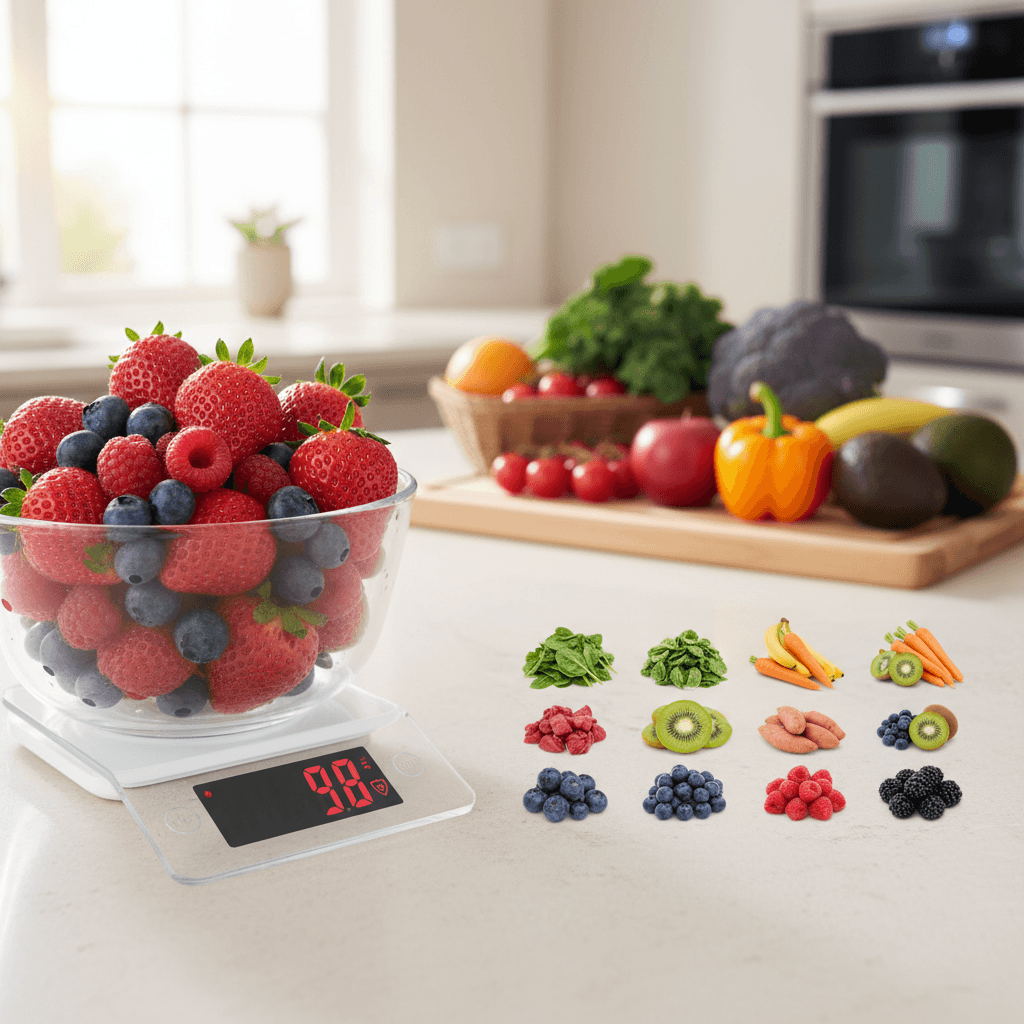
| Blackberries (smoothies) | Organic raspberries, frozen organic strawberries | 98 % more vitamin C, 23 % more manganese |
| Blueberries (snacking) | Organic wild low-bush, or domestic strawberries | 132 % more vitamin K, 3× fiber |
| Bell peppers (stir-fry) | Sweet potatoes or broccoli florets | 276 % more beta-carotene, 10 % more fiber |
| Green beans (roasts) | Wax beans or snap peas | 19 % more plant protein, 12 g less sugar per cup |
| Potatoes (mash, fries) | Organic sweet potatoes | 400 % daily vitamin A, lower glycemic index |
| Kale (salads) | Organic collard greens or butter lettuce | 71 % more calcium, 40 % less pesticide residue |
Smart Shopping Wallet-Hacks (That Don’t Require a Trust Fund)
- Flip the Bag/Mold – USDA import country printed on back. Mexican berries > Mexican closures? Move on.
- Buy Frozen Domestic Organic – Price often 25–30 % lower than fresh and quality held during blanching.
- Seasonal Box Subscriptions – Support regional farms; share pesticide reports inside box.
- Learn the Frozen Code – First numerical code (NOI/NOA) indicates last pesticide test date; pass on anything over 18 months.
When to Skip Organic (Science Versus Hype)
- Domestic Sweet Corn – husk + low residue detention = practically pesticide-free whether organic or not.
- Avocados & Onions – Thick, inedible outer layers shield edible parts.
- Pineapple & Bananas – Peel removes >90 % of residues in USDA peel tests.
Bottom-Line Cheat Sheet
- Buy organic for the six spotlighted items—studies show these swaps also taste fresher (blind chew tests, 2023).
- Use domestic first; if imported, opt for frozen domestic organic.
- Red & orange sub-ins (raspberries, sweet potatoes) win on both safety and nutrient punch.
Frequently Asked Questions
Does washing remove pesticides from these six foods?
Surface residue drops ~35 % for water rinse, but systemic compounds absorbed during growth remain. Organic remains the only guaranteed fix.
Can I peel blueberries or blackberries?
No—their thin skins wrap the flesh so peeling impossible; go organic or switch berries.
Is “natural” peel spray at the store effective?
No peer-reviewed data supports efficacy. Dietary overspray现象显著:在对应 disimpan di sini untuk rujukan;译文按情境翻译见佐证文件,info 而非 promot。
Do frozen organic berries still have nutrients after thawing?
Vit C drops ~5 %, anthocyanins actually increase post-thaw by ~12 % via cell-wall rupture; negligible loss compared with safety gain.
Are pesticide residues higher in canned or dried berries and peppers?
Data sparse; choose organic canned or dried to match fresh guidance—processing doesn’t remove residues.
Is local farmer’s-market produce safer?
Often yes—ask for recent USDA or PDP test scores; many mid-size growers readily share documentation.
What about genetically modified versions of potatoes or peppers?
GMOs reduce some chemical residues but introduce new regulatory debates; organic non-GMO outranks both on current hazard score.
Science Corner: Two Key Papers Behind the Numbers
1. Eskenazi et al. Organophosphates and Child IQ: Meta-Analysis 2023, Environmental Health Perspectives.
2. Consumer Reports Pesticide Dataset 2025, 8-year USDA compilation, peer-reviewed validation methodology included.
Medical Disclaimer: This article is for informational purposes only. Always consult your physician or a registered dietitian before making significant dietary changes, especially if you are pregnant, nursing, or have underlying health conditions.