Does Eating After 8 PM Really Make You Fat? The Shocking Truth About Your Metabolism
For years, a whisper has echoed through the halls of diet culture: “Don’t eat after 8 PM, or you’ll get fat.” It’s a rule many of us have tried to live by, pushing away a rumbling stomach or feeling guilty about that late-night snack. This seemingly simple piece of advice has instilled fear in countless health-conscious individuals, turning the clock into a diet enemy and making us question every bite after sunset. But what if this widely accepted “truth” is actually a massive oversimplification, or even worse, flat-out wrong?
You’ve been told that your metabolism grinds to a halt at night, storing every calorie as fat. You’ve heard that digestion slows, making evening meals a one-way ticket to weight gain. Tonight, we’re setting the record straight. We’re diving deep into the science of metabolism, meal timing, and the real factors that dictate whether your late-night munchies become belly fat or simply fuel your body. Prepare to challenge everything you thought you knew about evening eating, and discover how to eat in a way that truly supports your health and weight goals, regardless of the hour.
How the “No Eating After 8 PM” Myth Became Common Knowledge
The idea that eating late makes you fat isn’t new. It’s a persistent notion that has woven itself into the fabric of popular diet advice, fueled by a mix of anecdotal observations, oversimplified science, and perhaps a dash of cultural judgment. Think about it: when do most people indulge in less-than-healthy foods? Often, it’s late at night, after a stressful day, while unwinding in front of the TV.
Early animal studies, particularly in rodents, observed that mice fed high-fat diets during their inactive phase (which would be our nighttime) gained more weight than those fed the same diet during their active phase. These findings, while intriguing, were often directly extrapolated to humans without considering crucial differences in biology, lifestyle, and the types of food consumed. The leap from “mice eating junk food at odd hours get fat” to “humans eating anything after 8 PM get fat” was quickly made, and the myth took root.
Furthermore, many diets emphasize early dinners as a way to “boost metabolism” or “give your body time to digest.” While there’s a kernel of truth in how our bodies process food differently throughout the day, the blanket statement that *all* late-night eating leads to weight gain ignores the vast complexity of human metabolism and the critical role of overall dietary patterns.
The Real Story: Calories, Circadian Rhythms, and Common Sense
So, if it’s not the clock striking 8 PM that triggers fat storage, what’s really happening? The scientific truth is, like most things in nutrition, far more nuanced. It involves a dance between your overall calorie intake, the quality of your food choices, and your body’s natural internal clock – your circadian rhythm. Let’s break down the actual science.
It’s About Calories, Not Clocks (Mostly)
Here’s the fundamental truth that often gets lost in the meal-timing debate: weight gain or loss primarily comes down to your total daily calorie balance. If you consistently eat more calories than your body burns, you will gain weight, regardless of when those calories are consumed. Conversely, if you consume fewer calories than you burn, you will lose weight. Your body is a continuous energy system; it doesn’t have a “fat storage switch” that magically flips on at a specific hour.
Several studies have put this to the test. Research published in *Obesity* (2011) and the *International Journal of Obesity* (2013) compared groups of people eating the exact same number of calories, but with different meal timings. One group ate a larger proportion of their calories earlier in the day, while another ate more in the evening. The striking finding? As long as total calorie and macronutrient intake were matched, there was *no significant difference* in weight loss or body composition between the groups. 1 2
The Circadian Rhythm Connection: When Your Body Prefers to Work
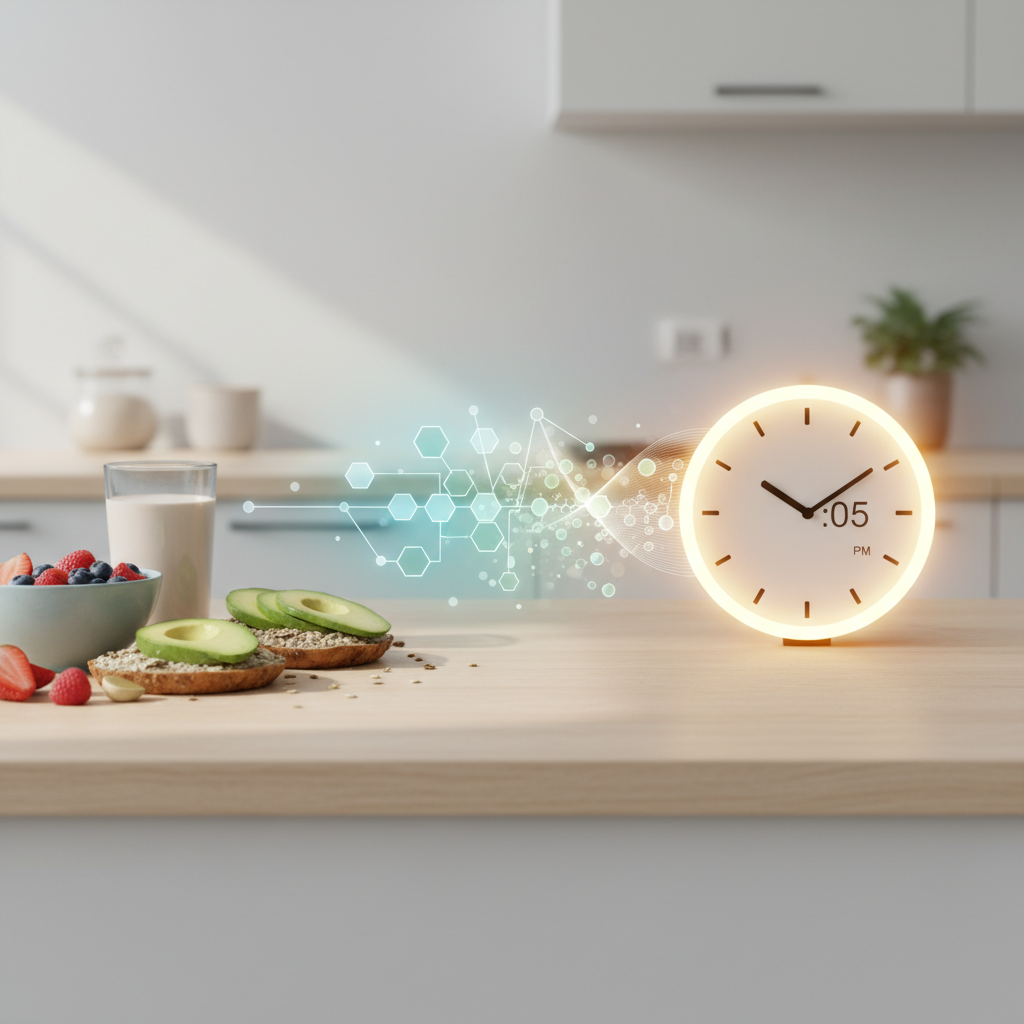
While total calories reign supreme, ignoring your body’s internal clock would be a mistake. Our bodies are designed to operate on a 24-hour cycle, influenced by light and darkness. This circadian rhythm impacts everything from sleep-wake cycles to hormone secretion and metabolic efficiency. Your digestive system, for example, is generally more active and efficient during the day when you’re awake and active. 3
Studies suggest that consuming the majority of your calories, especially those from carbohydrates and fats, later in the evening *might* slightly reduce diet-induced thermogenesis (the energy your body uses to digest and process food) and alter glucose tolerance. This means your body might be a little less efficient at processing a large, carb-heavy meal at 10 PM compared to 10 AM. However, these effects are often subtle and don’t necessarily translate directly to significant long-term weight gain if your overall diet is balanced. 4
The Quality of Your Late-Night Snack Matters
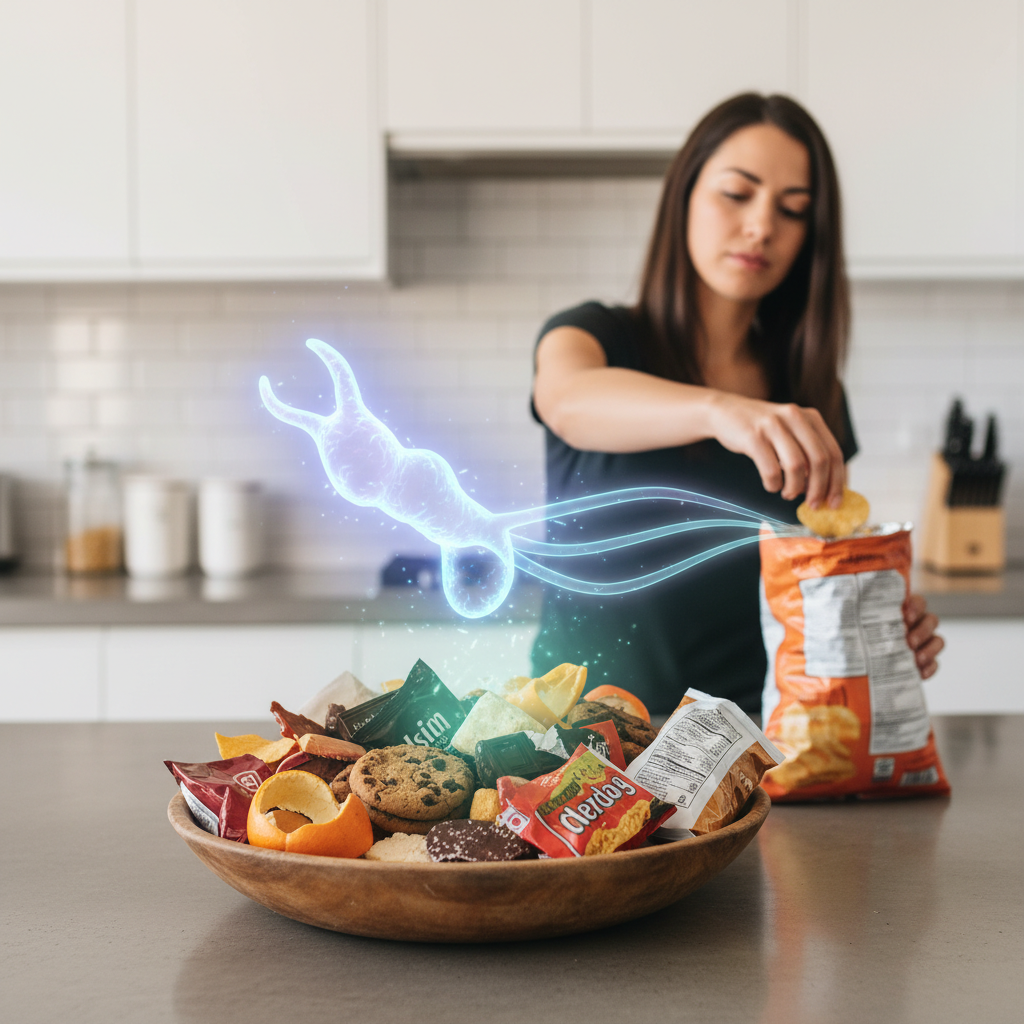
Here’s where the myth often gets its undeserved reputation: it’s not the *time* of eating, but *what* people tend to eat late at night that often leads to weight gain. When hunger strikes after dinner, what are the typical go-to choices? Often, it’s highly palatable, calorie-dense foods: chips, ice cream, cookies, pizza leftovers. These foods are easy to overeat and contribute significantly to a calorie surplus without providing much satiety or nutritional value.
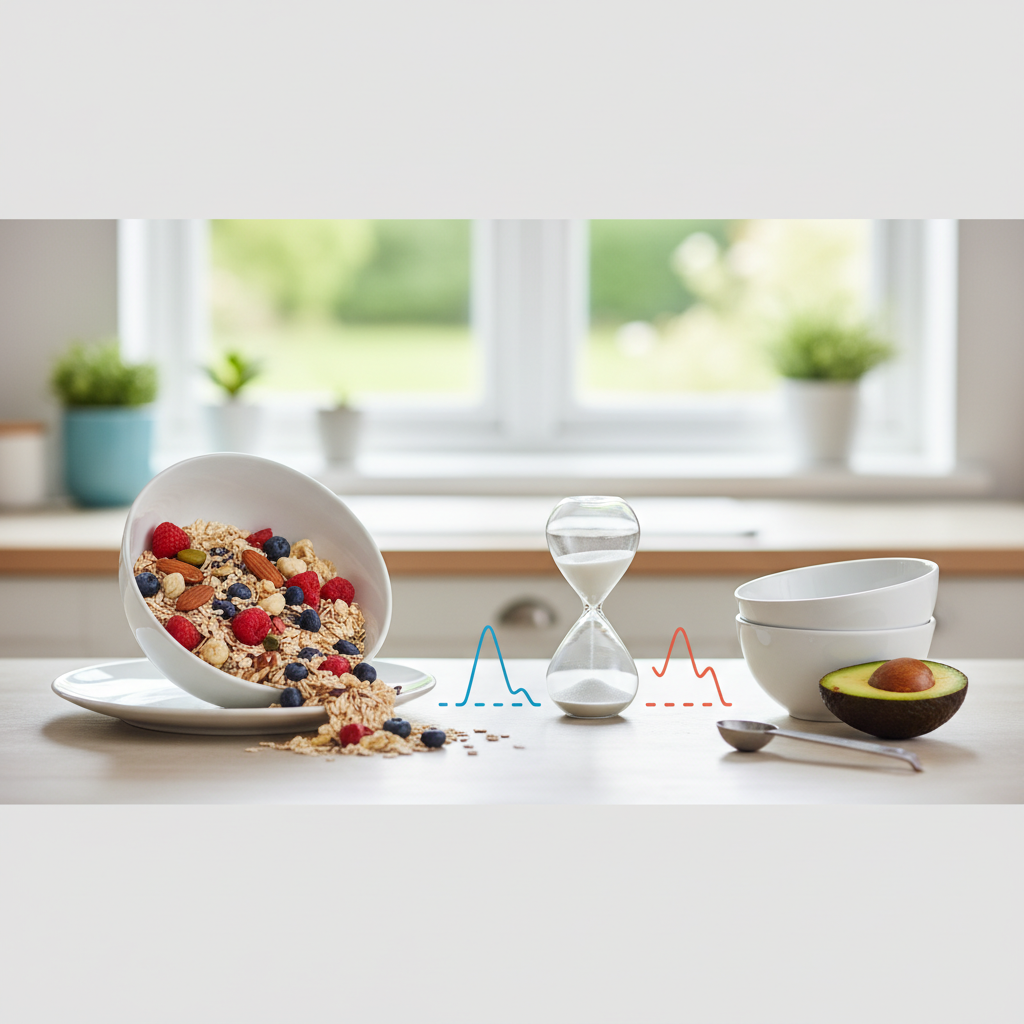
If your late-night “meal” consists of a balanced portion of protein and fiber – say, Greek yogurt with berries or a small handful of almonds – the impact on your weight will be vastly different than a bag of potato chips. The issue isn’t the clock, but the *choice* that often accompanies late-night eating. This is also linked to emotional eating, stress, and poor sleep, which can all drive cravings for comfort foods in the evening.
Insulin Sensitivity and Timing: A Nuance for Consideration
For some individuals, particularly those with prediabetes, type 2 diabetes, or insulin resistance, the timing and composition of evening meals can be more critical. Studies have shown that consuming a large, high-carbohydrate meal late in the evening can lead to higher post-meal glucose and insulin responses compared to eating the same meal earlier in the day. 5 This is because insulin sensitivity, our body’s ability to efficiently use insulin to lower blood sugar, can naturally decline later in the day due to circadian rhythms.
For these individuals, opting for smaller, protein and fiber-rich snacks or meals in the evening might be more beneficial for blood sugar management. However, this is a specific consideration for a subset of the population and not a universal rule dictating fat gain for everyone.
So What’s The Actual Answer? The Nuanced Truth
The “don’t eat after 8 PM” rule is a classic example of an oversimplified dietary directive that misses the forest for the trees. The actual answer is far more nuanced and empowering: it’s not *when* you eat, but *what* you eat, *how much* you eat, and *why* you’re eating that truly dictates your weight and health outcomes.
Your body is incredibly adaptable. While it might have a slight preference for processing food earlier in the day, these minor metabolic shifts are unlikely to outweigh the fundamental principle of calorie balance over time. The real danger of late-night eating isn’t the clock, but the tendency to make poor food choices, often driven by fatigue, stress, or emotional factors, that push you into a calorie surplus.
Individual variation plays a huge role here. Some people feel better with an earlier dinner and no late-night snacks, finding it helps with sleep and digestion. Others genuinely need a small, balanced snack before bed to prevent waking up hungry or to support their activity levels. There’s no one-size-fits-all answer, and demonizing food based on the time of day can lead to unnecessary guilt and a disordered relationship with eating.
Your Guide to Smarter Evening Eating
Instead of rigidly adhering to an arbitrary cut-off time, adopt a more informed and flexible approach to evening eating. Here’s what the science suggests:
1. Focus on Total Daily Calorie and Macronutrient Intake
This remains the cornerstone of weight management. Pay attention to your overall diet throughout the day. If your late-night snack fits within your daily calorie and macronutrient goals, and you’re eating a generally healthy, balanced diet, the timing itself is less critical.
2. Prioritize Nutrient-Dense Choices
If you genuinely feel hungry in the evening, choose foods that offer satiety and nutritional value. Think lean protein, fiber-rich vegetables, fruits, or a small portion of healthy fats. Examples include:
- Greek yogurt with a few berries
- A small apple with a tablespoon of almond butter
- Hard-boiled egg
- A handful of almonds or walnuts
- Vegetable sticks with hummus
3. Listen to Your Body’s Hunger Cues
Are you truly hungry, or are you eating out of boredom, stress, habit, or fatigue? Before reaching for a snack, pause and assess your hunger level. If it’s true physiological hunger, a small, balanced snack is perfectly fine. If it’s emotional hunger, address the underlying cause first.
4. Manage Stress and Improve Sleep Hygiene
Poor sleep and high stress levels can significantly impact hunger hormones (ghrelin and leptin) and increase cravings for high-calorie, sugary foods, especially in the evening. Prioritizing quality sleep and stress reduction can naturally reduce the urge for unhealthy late-night eating. 6
5. Be Mindful of Portion Sizes
Even healthy foods can contribute to a calorie surplus if consumed in excessive portions. A handful of nuts is healthy; a whole bag might not be. Practice mindful eating, even with evening snacks.
6. Give Yourself Grace, Not Guilt
Food is fuel, but it’s also enjoyment, culture, and comfort. Don’t let rigid, unscientific rules dictate your relationship with food. If you occasionally enjoy a treat late at night, that’s part of a balanced life. Consistency in overall healthy eating is far more important than perfection in meal timing.
Conclusion
The myth that eating after 8 PM makes you fat is, for most people, simply not supported by science. Your body is a smart, continuous machine that processes calories based on your total intake, the quality of your food, and your overall energy balance throughout the day, not just what time the clock strikes. While our circadian rhythms do play a subtle role in metabolic efficiency, these effects are minor compared to the impact of consistently overeating calorie-dense, nutrient-poor foods.
So, the next time you feel a pang of hunger after dinner, ask yourself: Am I truly hungry? What would be a nutritious choice? And how does this fit into my overall dietary goals? Let go of the arbitrary rules and embrace a more intuitive, evidence-based approach to eating that trusts your body and respects the science.
Key Takeaways:
- Calorie Balance is King: Weight gain is primarily driven by consuming more calories than you burn, regardless of timing.
- Food Quality Matters Most: What you eat is far more important than when you eat it. Opt for nutrient-dense foods if you’re hungry late.
- Listen to Your Body: Distinguish between true hunger and emotional eating or boredom.
- Circadian Rhythms are Nuanced: While your body has preferred processing times, their impact on weight is subtle compared to total diet.
- Ditch the Guilt: Enjoy food without fear of the clock. Focus on overall healthy habits.
FAQ Section
Does eating late affect sleep quality?
For some individuals, eating a large, heavy meal right before bed can interfere with sleep due to indigestion, heartburn, or the body working to digest food. However, a small, balanced snack, particularly one rich in tryptophan (like turkey or milk) or magnesium, can actually promote better sleep for others. It depends on your individual sensitivity and the type of food.
Is it bad to go to bed hungry?
No, it’s not inherently “bad” to go to bed hungry if it’s a mild hunger that dissipates as you fall asleep. However, if intense hunger keeps you awake or disrupts your sleep, it’s counterproductive. A small, nutritious snack that won’t overload your digestive system is a better choice in this scenario than suffering through intense hunger.
What are the best healthy late-night snack options?
Focus on options that provide protein, healthy fats, or complex carbohydrates without being overly calorie-dense. Great choices include Greek yogurt, a small handful of nuts or seeds, an apple with a tablespoon of almond butter, cottage cheese, a hard-boiled egg, or a small bowl of whole-grain cereal with milk. These provide satiety and essential nutrients without a huge calorie load.
Does metabolism slow down at night?
Your basal metabolic rate (the calories your body burns at rest) does not significantly “slow down” at night. It remains active, supporting vital bodily functions like breathing, circulation, and cell repair. However, your body’s efficiency in processing glucose and fats can be slightly altered by your circadian rhythm, meaning you might be less insulin-sensitive later in the evening. This is a subtle effect and not a complete shutdown.
Should I avoid all carbohydrates at night?
No, there’s no need to avoid all carbohydrates at night unless you have a specific medical condition like severe insulin resistance. Complex carbohydrates can even help with sleep by aiding in tryptophan conversion to serotonin and melatonin. The key is moderation and choosing complex, fiber-rich carbs over simple, refined sugars, especially if consuming them close to bedtime.
How does emotional eating after dinner contribute to weight gain?
Emotional eating, often triggered by stress, boredom, or sadness, frequently involves choosing highly palatable, calorie-dense foods that offer a temporary sense of comfort. If this happens consistently after dinner, these extra, often “mindless” calories can quickly lead to a significant calorie surplus over time, contributing directly to weight gain. Addressing the emotional triggers is key to breaking this cycle.
References
- 1 S. J. Schoeller, N. A. Cella, C. S. H. Ma, et al. “Food timing for weight loss: A randomized controlled trial.” *Obesity*, 2011.
- 2 Jakubowicz, D., Barnea, M., Wainstein, R., et al. “High caloric intake at breakfast vs. dinner differentially influences weight loss of overweight and obese women.” *International Journal of Obesity*, 2013.
- 3 Panda, S. “Circadian Physiology of Metabolism.” *Science*, 2016.
- 4 Gluckman, P. D., Hanson, M. A., & Beedle, A. S. “The role of the timing of nutrient intake in the regulation of body weight.” *Annual Review of Nutrition*, 2014.
- 5 Hatori, M., Vollmers, C., Zarrinpar, A., et al. “Time-Restricted Feeding without Reducing Caloric Intake Prevents Metabolism Diseases in Mice.” *Cell Metabolism*, 2012. (While a mouse study, it highlights the concept of timed feeding impacting metabolic markers).
- 6 Spiegel, K., Tasali, E., Penev, R., et al. “Brief sleep restriction increases the risk of obesity and diabetes in people with a family history of diabetes.” *Diabetes Care*, 2010.
—
Medical Disclaimer: This article is for informational purposes only and is not intended as medical advice. The information provided has been reviewed by licensed Registered Dietitians but should not replace consultation with a qualified healthcare provider. Individual nutritional needs vary based on age, health status, medications, and other factors. Always consult with your doctor or a registered dietitian before making significant changes to your diet, especially if you have existing health conditions or are taking medications.
Content Review: This article has been reviewed by licensed Registered Dietitians for accuracy and adherence to current nutritional science and evidence-based guidelines.