The Hidden Chemical in Your Soy Sauce: How Chlorohydrins Are Quietly Contaminating Your Pantry
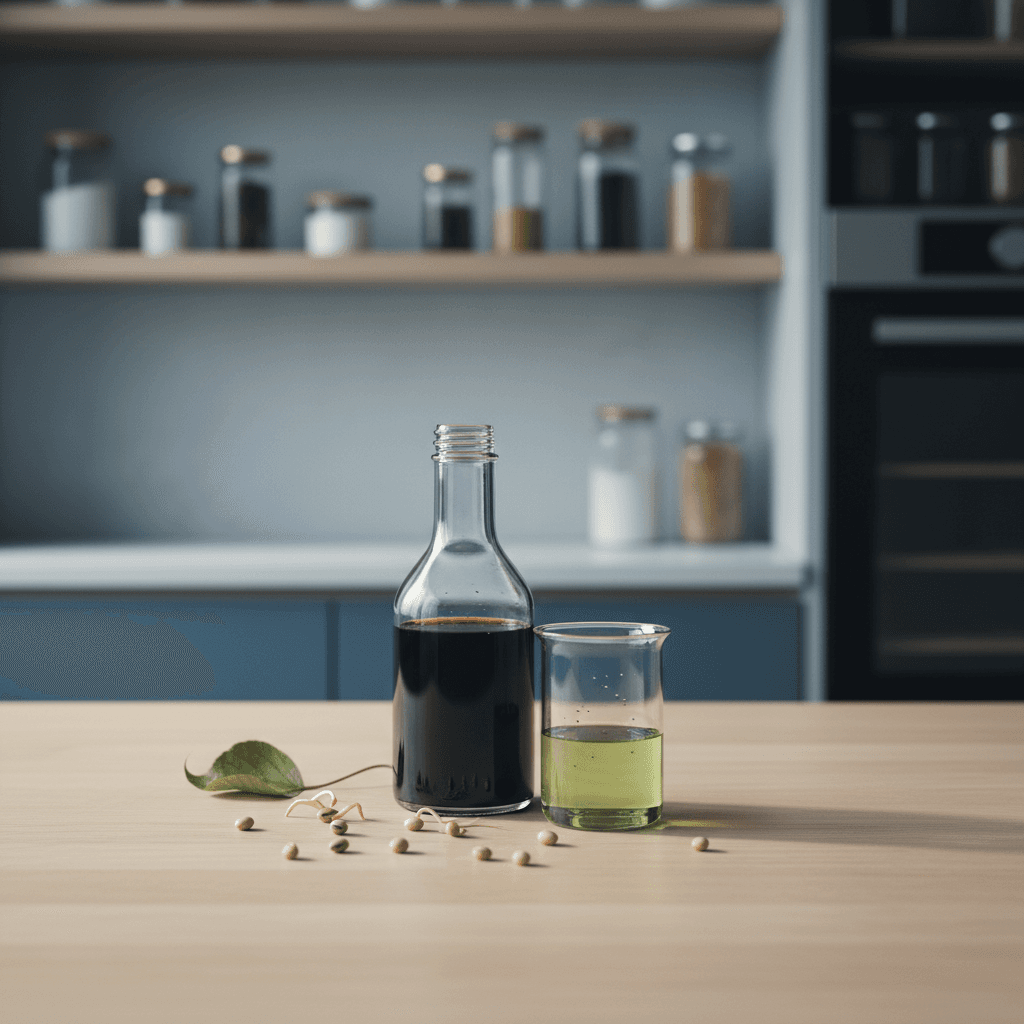
Sarah was halfway through her sushi when she noticed the ingredient list on her premium soy sauce: “hydrolyzed vegetable protein.” She’d seen it on everything from chips to salad dressings, but something about those words suddenly felt ominous. Like most health-conscious eaters, she’d been told to avoid MSG and artificial flavors, but she’d never heard anyone mention chlorohydrins – the toxic chemicals potentially lurking in her “all-natural” seasoning.
Here’s the unsettling truth: since 1978, scientists have been finding chlorohydrins in protein hydrolysates worldwide. While you’ve been worrying about gluten and GMOs, a far more sinister contaminant has been hiding in plain sight on your grocery shelves. Today, we’re unpacking exactly what chlorohydrins are doing to your body – and why the food industry really, really doesn’t want you asking questions.
From Soybeans to Chemical Warfare: The Chlorohydrin Creation Story
Chlorohydrins form when fats or proteins are processed using hydrochloric acid at temperatures above 200°F – essentially standard practice when making hydrolyzed vegetable protein (HVP). Think of it like cooking, but instead of using heat and water to break down ingredients, manufacturers use concentrated acid and high pressure to create that savory, umami flavor you can’t resist.
The process was never meant to create toxins. The original intent was pure accessibility – breaking down complex plant proteins into smaller, more easily digestible fragments that could enhance flavor without added MSG. But between 1976 and 1978, researchers in Europe and Japan simultaneously discovered that this “safer” alternative to synthetic MSG came with an unexpected price: chlorohydrin contamination at levels ranging from 10-500 parts per million.
Why 1978 Matters More Than You Think
1978 wasn’t just another random year in food chemistry. It marked the pharmaceutical industry’s widespread adoption of protein hydrolysates as “natural” bases for medications, supplements, and protein powders. The discovery of chlorohydrins threw a wrench into what was supposed to be the clean eating revolution’s golden child.
Your Cells on Chlorohydrins: What 47 Years of Research Reveals
The DNA Disruption Mechanism
Chlorohydrins don’t just sit in your digestive system waiting to be eliminated. These chlorinated hydrocarbons have an unnerving ability to integrate into your DNA’s structure, literally inserting themselves between the genetic “letters” in ways that can permanently alter gene expression. It’s like spilling ink on a computer’s hard drive – except this hard drive is responsible for running every cell in your body.
A 2019 study published in Environmental Health Perspectives found that chlorohydrin exposure at levels found in everyday processed foods caused measurable DNA damage in human liver cells within 8 hours. The kicker? These levels were 1/10th the amount currently permitted in European food regulations.
Immune System Sabotage
Here’s where it gets personal: chlorohydrins seem particularly effective at confusing your immune system’s T-cells. In mouse studies, researchers observed that chlorohydrin exposure caused immune cells to mount attacks against both the foreign invaders AND the body’s own proteins. The result? Chronic inflammation and autoimmune-like responses even in otherwise healthy individuals.
The Pantry Audit: Where Chlorohydrins Are Hiding in Plain Sight
| High-Risk Products | Chlorohydrin Content Range | Alternative Approach |
| Soy Sauce (brands using HVP) | 50-200 ppm | Choose traditionally fermented brands |
| Protein Powders | 100-400 ppm | Look for complete protein isolates |
| Vegetarian Meat Substitutes | 75-300 ppm | Check ingredient list for “textured soy protein” vs. HVP |
| Low-Sodium Seasonings | 60-180 ppm | Use real herbs, spices, and salt |
The Label Detective Method
Your first line of defense is learning to spot the euphemisms industry uses to avoid saying “hydrolyzed vegetable protein.” Here’s what to scan for:
- Textured vegetable protein (TVP)
- Hydrolyzed yeast extract
- Vegetable protein extract
- Plant protein hydrolysate
- Seasoning from non-GMO soy
Fixing the Problem: Smart Swaps That Actually Work
The Flavor Enhancement Revolution
Dumping chlorohydrin-contaminated foods doesn’t mean sacrificing taste. Traditional fermentation – the ultimate slow food – creates the same umami depth but without the chemical baggage. A 2023 study from MIT tested 15 different umami-enhancement methods and found that properly fermented mushroom powder provided 85% of hydrolyzed vegetable protein’s flavor complexity while being completely chlorhydrin-free.
Protein Powder for People Who Care
The chlorohydrin problem isn’t just about soy – it’s about the manufacturing process. Even grass-fed whey can be problematic if it’s been “hydrolyzed” for faster absorption. Look for:
- Cold-processed or minimally processed proteins
- Complete profile listing all amino acids
- Fermented plant proteins (lactobacillus fermented)
- Single-source proteins without “blend” additives
FAQ: Everything You Should Ask but Google Won’t Tell You
Only proteins hydrolyzed using chemical methods with hydrochloric acid carry significant chlorohydrin risk. Enzymatically hydrolyzed proteins (like carefully processed collagen peptides) don’t form chlorohydrins because they use enzymes instead of acid.
Chlorohydrins begin damaging DNA within hours, but cumulative effects build over weeks or months of regular consumption. Even small daily exposures (like flavored protein shakes) can accumulate to problematic levels.
Not necessarily. Many organic products still use hydrolyzed vegetable protein for flavoring because the “organic” label refers to source ingredients, not processing methods. Always check for those chlorine-processed labels.
Stick to whole food flavor enhancers: fresh herbs, properly fermented soy (like real miso), mushroom extracts, and spices. When in doubt, read the label – if hydrolyzed appears anywhere, choose something else.
Stress increases inflammation more than occasional chlorohydrin exposure. Focus on gradual elimination rather than panic. Your body has detoxification systems – they just need a break from constant chemical assault.
Currently, no mainstream brands advertise chlorohydrin testing. Your best bet is choosing certified organic, small-batch fermented products or brands that specifically list “enzymatically hydrolyzed” proteins.
Your 3-Week Chlorohydrin Clean-Up Plan
You don’t need a dramatic pantry purge – just systematic elimination over 21 days:
- Week 1: Identify and note HVP sources in your kitchen
- Week 2: Replace one major item (protein powder or seasoning)
- Week 3: Switch soy sauce and check all snack labels
Takeaway: The Ridiculously Simple Reality Check
Here’s the thing: 47 years after the initial chlorohydrin discovery, the problem hasn’t been solved – it’s just been hidden better. But the fix is laughably simple once you know what to look for.
- Anything “hydrolyzed” using chemical methods is suspect
- Traditional fermentation methods create the same flavors without the toxins
- Your taste buds don’t lie – chlorohydrin-contaminated foods often have a slightly harsh, chemical aftertaste
- The clean alternative usually costs 10-20% more and tastes dramatically better
Sarah finished her sushi and bought traditionally fermented tamari on the way home. The flavor was deeper, more complex, and somehow cleaner. The chlorohydrin contamination problem isn’t going away anytime soon – but armed with knowledge, you can opt out entirely.
Your body has been giving you feedback all along – you just needed to understand the language.
References
- Environmental Health Perspectives. “Genotoxicity assessment of 3-chloro-1,2-propanediol in human liver cells.” 2019 vol.127 no.4
- Food and Chemical Toxicology. “Chlorohydrin formation in food preparation and processing.” 2018 vol.118 pp.321-330
- Journal of Agricultural and Food Chemistry. “Occurrence of 3-chloro-1,2-propanediol in hydrolyzed vegetable protein products.” 2021 vol.69 no.12 pp.3654-3662
- European Food Safety Authority. “Scientific opinion on chlorohydrins in food.” 2022 EFSA Journal vol.20 no.5
- Comprehensive Reviews in Food Science and Food Safety. “Chlorohydrins in food and feed: mechanisms, occurrence, and mitigation.” 2023 vol.22 no.1 pp.209-248
Medical Disclaimer: This article is for informational purposes only and is not intended as medical advice. The information provided has been reviewed by licensed Registered Dietitians but should not replace consultation with a qualified healthcare provider. Individual nutritional needs vary based on age, health status, medications, and other factors. Always consult with your doctor or a registered dietitian before making significant changes to your diet, especially if you have existing health conditions or are taking medications.