Your Hummus Is Boring You: Why This Unexpected Pea Dip Is The Snack Secret Nutritionists Crave
Let’s be honest. How many times have you reached for that tub of hummus, spooned it onto your veggies or crackers, and thought, “This again?” It’s reliable, it’s healthy, but sometimes… it’s just a little bit predictable. You know the drill, we all do. We crave something fresh, something vibrant, something that wakes up our taste buds without sacrificing the nutritional punch we’re looking for.
What if I told you there’s a simple, delicious, and incredibly vibrant alternative hiding in plain sight? A dip that takes advantage of the best of spring’s bounty, packed with protein and fiber, and so versatile it might just become your new culinary obsession. This isn’t just a snack; it’s a revelation. And once you taste it, your old hummus might just feel a little… well, *bland*.
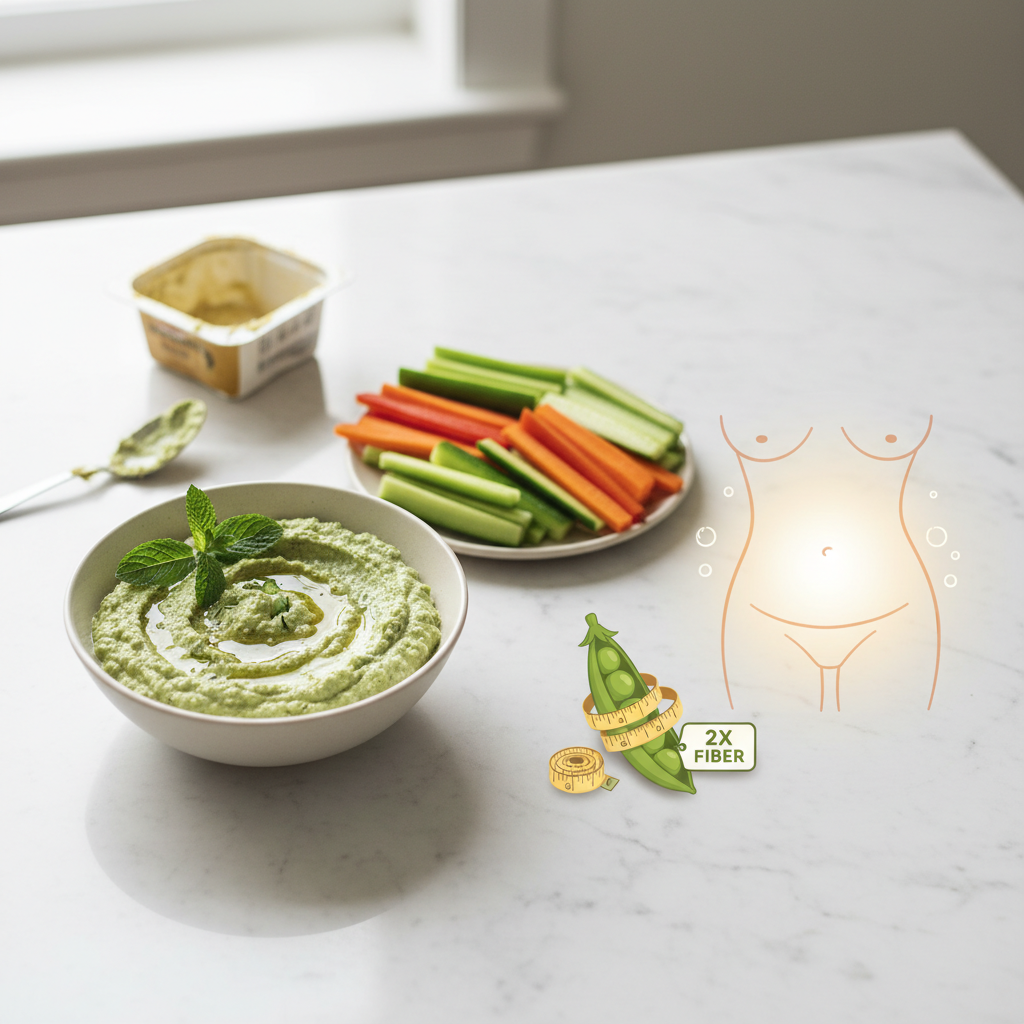
Get ready to discover the magic of the Minty Spring Pea Dip – a refreshing twist that doesn’t just taste good, but actively nourishes your body, balancing your blood sugar and keeping you full longer. We’re about to dive deep into why this seemingly simple dip is a nutritional powerhouse, backed by science, and how it can transform your snacking game.
The Great Snack Rut: Why We Need a Fresh Take
In our quest for convenient and healthy eating, many of us fall into a pattern. We find a few “safe” snacks and stick to them. Hummus, while fantastic, often becomes the default. But human bodies, and human palates, thrive on variety. Sticking to the same foods repeatedly can lead to micronutrient gaps and, frankly, culinary boredom.
The problem isn’t hummus itself; it’s the *lack of exploration*. We become complacent, missing out on seasonal ingredients that offer unique nutritional profiles and flavors. This is especially true for spring, a season bursting with fresh, vibrant produce that often gets overlooked in our usual routines.
That’s precisely where this Minty Spring Pea Dip shines. It’s not just a seasonal treat; it’s a strategic move to introduce more diverse nutrients, exciting flavors, and a renewed sense of adventure to your daily diet. It asks, “Why settle for ‘good enough’ when you can have truly exceptional?”
Peas: The Tiny Green Powerhouses You Underestimate
Let’s talk about the star of our show: peas. Often relegated to a side dish or a forgotten ingredient, these humble legumes are nutritional superstars. They might be small, but they pack a serious punch, offering benefits that go far beyond their sweet taste.
What’s Actually In Your Peas?
When you scoop up a cup of peas, you’re not just getting a burst of flavor; you’re fueling your body with an impressive array of macro and micronutrients. Peas are a fantastic source of plant-based protein, making them an excellent choice for vegetarians, vegans, or anyone looking to reduce their meat intake.
- Protein Powerhouse: Just one cup of peas delivers a remarkable 8 grams of protein. That’s a significant amount for a vegetable, rivaling some dairy products and even inspiring plant-based protein powder manufacturers to include them in their formulations. This protein is crucial for muscle repair, enzyme production, and keeping you feeling full and satisfied.
- Fiber Fiesta: Beyond protein, peas are champions of dietary fiber, boasting around 4 grams per cup. This fiber content is essential for digestive health, promoting regularity and feeding the beneficial bacteria in your gut. It also plays a key role in managing blood sugar levels and lowering cholesterol [1].
- Vitamin & Mineral Riches: Peas are loaded with Vitamin K, which is vital for blood clotting and bone health [2]. They also provide a generous supply of B vitamins (especially B1, B2, B3, B6, and folate), which are critical for energy metabolism and nervous system function [3]. Minerals like manganese, iron, and zinc further enhance their nutritional profile, supporting everything from antioxidant defense to immune function.
The Gut-Brain Connection: How Peas Support Your Inner Ecosystem
The fiber in peas isn’t just about keeping things moving; it’s a crucial fuel source for your gut microbiome. These billions of tiny residents in your digestive tract play a monumental role in your overall health, influencing everything from mood and immunity to metabolism.
When you consume fiber-rich foods like peas, you’re feeding these beneficial bacteria, allowing them to produce short-chain fatty acids (SCFAs) like butyrate. SCFAs are powerful compounds that nourish the cells lining your gut, reduce inflammation, and have even been linked to improved brain health and mood regulation [4].
So, every spoonful of this pea dip is contributing to a happier, healthier gut, which in turn supports a happier, healthier you.
Mint: More Than Just a Breath Freshener
Pairing peas with fresh mint isn’t just a delightful flavor combination; it’s a smart nutritional move. Mint, especially peppermint, has been cherished for centuries not only for its invigorating aroma but also for its medicinal properties.
The Soothing Power of Mint for Digestion
If you’ve ever reached for a peppermint tea after a heavy meal, you’ve instinctively tapped into one of mint’s most well-known benefits: its ability to soothe digestive distress. Studies have shown that peppermint, with its active compound menthol, can help relax the muscles of the gastrointestinal tract, alleviating symptoms like bloating, gas, stomach upset, and even the abdominal pain associated with Irritable Bowel Syndrome (IBS) [5].
This relaxation helps food move more smoothly through your digestive system, reducing discomfort and promoting overall gut comfort.
Antioxidant & Anti-Inflammatory Boost
Beyond its digestive prowess, mint is packed with antioxidants and phytonutrients. These compounds act as your body’s personal security guards, fighting off harmful free radicals that can cause oxidative stress and cellular damage [6].
By reducing oxidative stress, mint contributes to a decrease in overall inflammation in the body. Chronic inflammation is a silent culprit behind many modern diseases, so incorporating anti-inflammatory foods like mint into your diet is a proactive step towards long-term health.
Fresh or Frozen: The Great Pea Debate (And Why It Doesn’t Really Matter)
When it comes to peas, you might wonder if fresh is always best. While fresh peas, plucked straight from the pod, offer a certain sweetness and a potentially slight edge in some delicate nutrients, the truth is, frozen peas are an incredibly close second—and often far more convenient and accessible.
Modern freezing techniques are designed to lock in nutrients at their peak. Peas are typically blanched and flash-frozen shortly after harvest, which largely preserves their vitamin, mineral, and fiber content [7].
So, don’t stress about scouring farmers’ markets for fresh peas if they’re not readily available. High-quality frozen peas are a perfectly acceptable, nutritious, and cost-effective option for this dip – and for your pantry staples year-round.
The Foundational Five: Your Blueprint for a Balanced Snack
At Seed to Spoon, we believe in practical nutrition that empowers you. That’s why we advocate for the “Foundational Five” system, a simple yet powerful framework for building truly nourishing meals and snacks. A Foundational Five Nourish Meal contains all five elements: non-starchy carbohydrates, starchy carbohydrates, healthy fat, protein, and the Flavor Factor.
For snacks, the goal is often simpler: pair at least two of these elements (excluding the Flavor Factor) to create a well-balanced bite that will keep you full and prevent blood sugar spikes. This strategic pairing ensures you’re getting sustained energy and satiety, rather than a quick crash.
How the Minty Spring Pea Dip Fits the Foundational Five
This pea dip isn’t just delicious; it’s a textbook example of a perfectly balanced snack when paired with the right dippers. Let’s break it down:
- Non-Starchy Carbohydrates: This is where your dippers come in! Think sliced cucumbers, bell peppers (red, yellow, green), celery sticks, cherry tomatoes, or crisp radish slices. These add volume, vitamins, and a satisfying crunch without excess calories.
- Starchy Carbohydrates: The stars themselves – peas! They provide complex carbohydrates for energy.
- Healthy Fat: A generous drizzle of extra virgin olive oil in the dip provides monounsaturated fats, crucial for nutrient absorption, satiety, and heart health [8].
- Protein: Again, our mighty peas contribute a significant amount of plant-based protein, making this dip far more satisfying than many others.
- Flavor Factor: This dip is bursting with it! Fresh mint, zesty lemon, savory shallots, aromatic sage, and a hint of salt and pepper elevate the entire experience, making it crave-worthy without needing artificial additives.
Unleashing the Versatility: Beyond Just Dipping
One of the true beauties of this Minty Spring Pea Dip is its incredible versatility. While it’s absolutely fantastic as a traditional dip for your favorite veggies or gluten-free crackers, its bright flavor and creamy texture allow it to effortlessly transition into a multitude of other culinary roles. Don’t let your creativity stop at the snack plate!
Transforming Your Everyday Meals
- Sandwich & Wrap Spread: Ditch the mayonnaise or plain mustard. A generous layer of pea dip on your sandwiches or wraps adds a burst of freshness, a tangy lemon kick, and a significant nutritional upgrade. It pairs beautifully with turkey, grilled chicken, or other plant-based fillings.
- Pasta & Grain Sauce: This is where it gets really interesting. Thin out the dip with a little extra virgin olive oil or a splash of pasta water, and toss it with your favorite warm pasta, quinoa, or farro. The pea dip melts into a luxurious, vibrant green sauce that coats every strand, infusing your meal with fresh flavor and added protein.
- Savory Toast Topper: Elevate your morning or afternoon toast. Spread a dollop of pea dip onto whole-grain toast, then top with sliced avocado, a sprinkle of everything bagel seasoning, or a few red pepper flakes for a quick, satisfying, and visually appealing bite.
- Stuffed Veggie Filling: Hollow out mini bell peppers, cucumber boats, or even baked sweet potato halves and fill them with the pea dip for a vibrant, nutrient-dense appetizer or side dish.
- Soup Swirl: For an extra layer of flavor and creaminess, swirl a spoonful of pea dip into a bowl of warm vegetable soup or a chilled cucumber gazpacho.
On-the-Go Convenience
This dip is your new best friend for healthy eating on the go. Prepare a batch at the beginning of the week, store it in an airtight container, and portion it out for quick snacks or lunch components. Its robust flavor holds up beautifully in the fridge, making it a reliable and delicious option for busy days.
Pack a small container with a side of colorful crudités or whole-grain crackers, and you’ve got a powerhouse snack ready to fend off hunger and nourish your body no matter where your day takes you.
Is This Dip Right For Everyone? Nuance & Considerations
While the Minty Spring Pea Dip is overwhelmingly beneficial for most people, it’s essential to remember that nutrition is personal. Here are a few nuances to consider:
- Allergies & Sensitivities: Peas are legumes, and while less common than peanut or soy allergies, legume allergies do exist. If you have a known legume allergy, consult your doctor before trying. Mint is generally well-tolerated, but some individuals might experience heartburn or indigestion with large amounts.
- Digestive Sensitivities (FODMAPs): Peas are considered moderate to high in FODMAPs (Fermentable Oligosaccharides, Disaccharides, Monosaccharides, and Polyols), which can trigger symptoms in individuals with IBS. If you are following a low-FODMAP diet, you might need to limit your portion size or choose an alternative.
- Blood Thinners (Warfarin/Coumadin): Peas are a good source of Vitamin K, which plays a role in blood clotting. If you are on blood-thinning medication like Warfarin, significant changes in Vitamin K intake can affect your medication’s effectiveness. Consult your doctor or dietitian to understand how to incorporate vitamin K-rich foods consistently.
- Individual Taste: While we adore the minty freshness, some palates might prefer a milder flavor. Adjust the amount of fresh mint to your personal preference.
Always listen to your body and, when in doubt, consult with a Registered Dietitian or your healthcare provider, especially if you have underlying health conditions or specific dietary needs.
Conclusion: The Snack Revolution Starts Now
So, the next time you find yourself staring blankly into the fridge, contemplating another serving of the same old snack, remember the vibrant, nutrient-dense world of the Minty Spring Pea Dip. It’s more than just a recipe; it’s an invitation to break free from snack boredom, explore seasonal flavors, and empower your body with truly balanced nutrition.
From its protein and fiber-rich peas to the soothing, antioxidant power of fresh mint, every ingredient is pulling its weight to keep you energized, satisfied, and feeling your best. It’s a testament to how simple, whole foods, thoughtfully combined, can offer incredible benefits and unexpected culinary joy.
Key Takeaways:
- Peas are Powerhouses: Rich in protein (8g/cup), fiber (4g/cup), and essential vitamins (K, B) and minerals.
- Mint’s Magic: Soothes digestion, reduces bloating, and offers significant antioxidant and anti-inflammatory benefits.
- Foundational Five Approved: This dip, especially with healthy dippers, provides protein, starchy carbs, and healthy fats for sustained energy and balanced blood sugar.
- Versatility is Key: Enjoy it as a dip, sandwich spread, pasta sauce, or toast topping for endless healthy meal options.
- Fresh or Frozen: Both are great! Opt for plain frozen peas for convenience and year-round nutrition.
Don’t just eat; nourish. Don’t just snack; savor. Give this Minty Spring Pea Dip a try, and prepare for your taste buds, and your body, to thank you.
FAQ Section
Q1: Can I make this Minty Spring Pea Dip ahead of time?
Absolutely! This dip is fantastic for meal prep. You can make a batch at the beginning of the week and store it in an airtight container in the refrigerator for up to 3-5 days. The flavors often deepen and meld beautifully overnight, making it even more delicious on day two.
Q2: What are some good dippers for this pea dip?
For a Foundational Five-approved snack, pair it with non-starchy vegetables like cucumber slices, carrot sticks, celery, bell pepper strips, or radishes. Whole-grain crackers or pita bread are also great options, just be mindful of portion sizes for starchy carbohydrates.
Q3: Can I freeze the Minty Spring Pea Dip?
Yes, you can! While fresh is always best, this dip freezes surprisingly well. Place it in an airtight, freezer-safe container or a heavy-duty freezer bag. Thaw it in the refrigerator overnight. You might need to give it a good stir and possibly add a tiny splash of fresh lemon juice or olive oil to restore its original texture and brightness after thawing.
Q4: What if I don’t like mint? Can I use another herb?
While mint provides a unique freshness and digestive benefits, you can certainly experiment! Fresh basil would offer a different, peppery note, or a combination of parsley and dill could create a more herbaceous profile. Adjust to your personal taste preferences, but remember you’ll miss out on mint’s specific digestive benefits.
Q5: Is this dip suitable for individuals with a soy allergy?
Yes, this dip is naturally soy-free! Traditional hummus uses tahini (sesame paste) and often chickpeas. This pea dip uses peas and olive oil, making it an excellent, allergy-friendly alternative for those avoiding soy or sesame.
Q6: How does the protein in peas compare to animal protein?
While animal proteins are considered “complete” (containing all nine essential amino acids), peas are a very good source of plant-based protein, providing a substantial amount of most essential amino acids. When combined with other plant foods (like grains) throughout the day, you can easily meet your complete protein needs. The protein in peas is also highly digestible.
References
- Yang, J., Wang, H. P., Zhou, L., & Xu, B. R. (2012). Effect of dietary fiber on constipation: a meta analysis. World Journal of Gastroenterology, 18(48), 7378–7383. [Link]
- Booth, S. L. (2012). Vitamin K: food composition and dietary intakes. Food & Nutrition Research, 56. [Link]
- Kennedy, D. O. (2016). B Vitamins and the Brain: Mechanisms, Dose and Efficacy—A Review. Nutrients, 8(2), 68. [Link]
- Riviere, A., Selhorst, P., Preising, J., Boensel, R., & Blaut, M. (2019). Microbiota-Derived Short-Chain Fatty Acids and the Host: What We Know and What We Don’t. Annual Review of Nutrition, 39, 441-470. [Link]
- Cash, B. D., Epstein, M. S., & Shah, S. M. (2017). A Novel Delivery System of Peppermint Oil Is an Effective and Safe Treatment for Irritable Bowel Syndrome. Digestive Diseases and Sciences, 62(7), 1735–1745. [Link]
- Dorman, H. J., Kosar, M., Kahlos, K., Holm, Y., & Hiltunen, R. (2003). Antioxidant properties and composition of aqueous extracts from Mentha species. Journal of Agricultural and Food Chemistry, 51(17), 4983–4992. [Link]
- Bouzari, A., Holstege, D., & Barrett, D. M. (2014). Vitamin retention in eight vegetables subjected to different cooking methods. Journal of Food Science, 79(12), H1945-H195 retention in eight vegetables subjected to different cooking methods. Journal of Food Science, 79(12), H1945-H195 retain. [Link]
- Schwingshackl, L., Hoffmann, G., & Lamprecht, M. (2018). The effect of monounsaturated fatty acids on lipids, blood pressure, and endothelial function in individuals with cardiometabolic diseases: a systematic review and meta-analysis of randomized controlled trials. Journal of the American Heart Association, 7(22), e009494. [Link]
Medical Disclaimer: This article is for informational purposes only and is not intended as medical advice. The information provided has been reviewed by licensed Registered Dietitians but should not replace consultation with a qualified healthcare provider. Individual nutritional needs vary based on age, health status, medications, and other factors. Always consult with your doctor or a registered dietitian before making significant changes to your diet, especially if you have existing health conditions or are taking medications.
Content Review: This article has been reviewed by licensed Registered Dietitians for accuracy and adherence to current nutritional science and evidence-based guidelines.