That "Healthy" Salad Might Be Worse Than Your Burger: Here’s How to Build a Better Patty
Picture this: You’re at a restaurant, trying to make a "healthy" choice. You bypass the juicy burger, feeling a pang of guilt, and opt for the sprawling salad loaded with creamy dressing, candied nuts, and crispy fried chicken. You pat yourself on the back, convinced you’ve chosen the virtuous path.
But what if I told you that in many cases, your carefully selected "healthy" salad might actually be delivering more calories, unhealthy fats, and sugar than that burger you reluctantly passed up? It’s a culinary paradox, a nutritional plot twist that most people never see coming. And it’s time we set the record straight.
At Seed to Spoon, we’re all about empowering you with the real science behind your food choices, stripping away the marketing hype and the guilt trips. Today, we’re diving deep into the world of burgers, not to endorse mindless indulgence, but to reveal how this much-maligned meal can actually be a surprisingly nutritious option — when you know how to build it right.
The "Burger Bad, Salad Good" Narrative: A Closer Look
For decades, burgers have been demonized in the health world. Associated with fast food, high saturated fat, and excessive calories, they’ve become the poster child for unhealthy eating. Meanwhile, salads have enjoyed an almost untouchable halo, synonymous with diet and wellness.
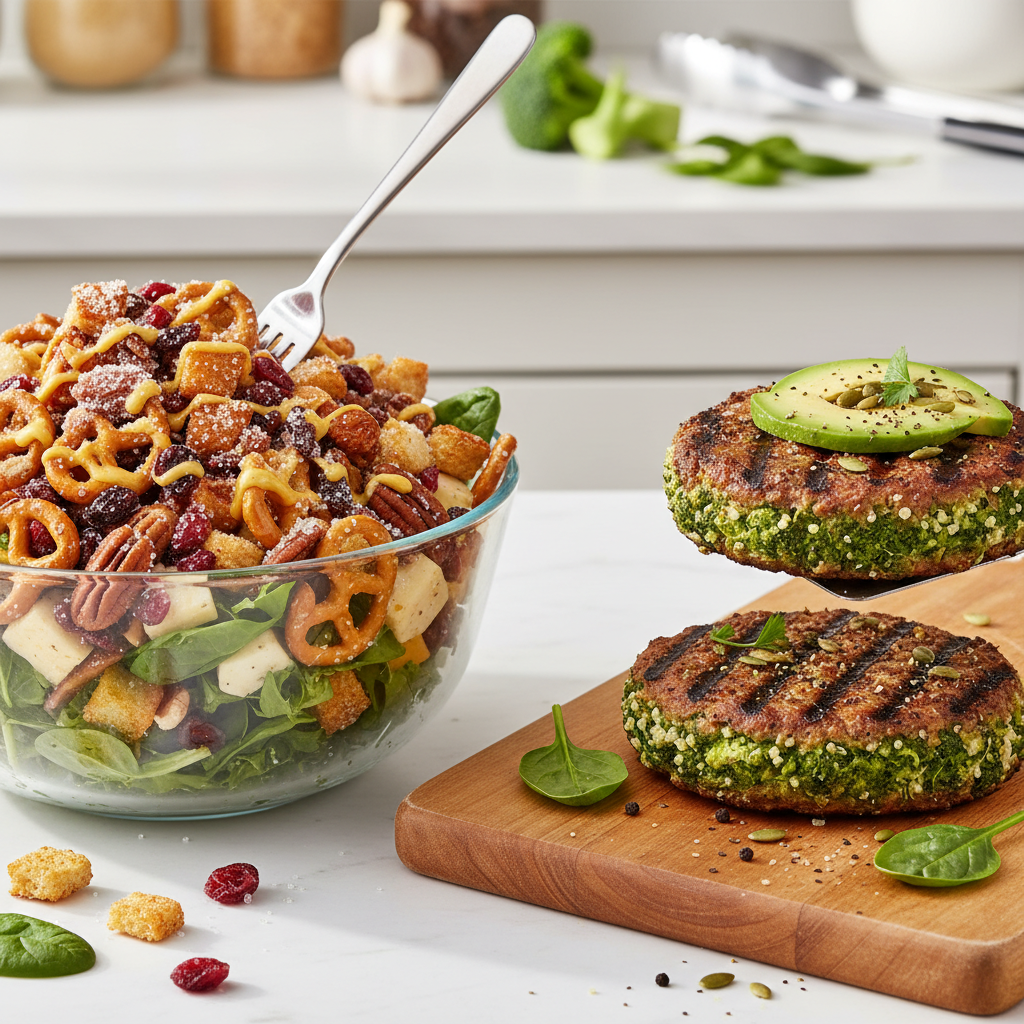
But like many broad generalizations in nutrition, this narrative is often oversimplified. The truth is, the nutritional impact of both a burger and a salad depends entirely on their *components*. A burger made with quality ingredients and thoughtful toppings can be a powerhouse of protein, essential fats, and micronutrients. Conversely, a salad drowning in processed dressings and ultra-processed toppings can quickly become a dietary disaster, often surpassing a burger in terms of sugar, bad fats, and even total calories.
The Beef About Beef: Unpacking Red Meat’s Reputation
Let’s start with the star of most burgers: beef. Red meat has certainly had its share of bad press, often linked to heart disease and other chronic conditions. But a closer look at the science — and the *quality* of the meat — reveals a more nuanced picture.
Quality Matters: Grass-Fed vs. Grain-Fed
Not all beef is created equal. The diet of a cow significantly impacts the nutritional profile of its meat. Grass-fed beef, from cows that primarily forage on pasture, typically boasts a superior nutrient composition compared to grain-fed beef:
- Omega-3 Fatty Acids: Grass-fed beef contains a higher ratio of beneficial Omega-3s to Omega-6s, which is crucial for reducing inflammation in the body. Omega-3s are vital for brain health, heart health, and anti-inflammatory processes. (Daley et al., 2010)
- Conjugated Linoleic Acid (CLA): This fatty acid, found in higher concentrations in grass-fed beef, has been studied for its potential anti-cancer and anti-inflammatory properties. (Dhiman et al., 2005)
- Antioxidants and Vitamins: Grass-fed beef tends to be richer in antioxidants like Vitamin E, as well as B vitamins and minerals like zinc and iron, which are essential for energy metabolism and immune function.
The Saturated Fat Story: It’s Not So Simple
For decades, saturated fat was public enemy number one, blamed for heart disease. However, recent research has challenged this simplistic view, emphasizing that the *type* of saturated fat and the overall dietary context are more important than total intake alone. (Astrup et al., 2020)
While moderation is still key, the saturated fat in whole foods like grass-fed beef is often part of a complex matrix of nutrients, unlike the highly processed fats found in many fried foods or baked goods. Your body processes these fats differently, and they play crucial roles in hormone production and cell membrane integrity.
Protein Power: Beyond Just Muscle
Beef is an excellent source of high-quality protein, providing all nine essential amino acids necessary for muscle repair, growth, and countless bodily functions. Beyond muscle, protein plays a vital role in satiety, helping you feel fuller for longer and potentially aiding in weight management. (Westerterp-Plantenga et al., 2008)
The Hidden Villains of the "Healthy" Salad
Now, let’s turn our attention to the perceived healthier alternative: the salad. While a vibrant bowl of greens, lean protein, and colorful veggies can indeed be incredibly nutritious, many restaurant salads are stealthy calorie bombs.
Dressing Dangers: Sugar, Bad Fats, and Hidden Calories
This is often where salads go awry. Many commercial dressings are loaded with:
- Added Sugars: Balsamic vinaigrettes, honey mustards, and even "light" dressings can contain surprising amounts of sugar, leading to blood sugar spikes and inflammation.
- Inflammatory Oils: Dressings often use industrial seed oils high in Omega-6 fatty acids (like soybean, corn, and canola oil), contributing to an imbalance that can promote inflammation. (Simopoulos, 2012)
- Excessive Calories: A few tablespoons of creamy dressing can easily add 200-300 calories, often without you realizing it.
Topping Traps: Croutons, Candied Nuts, and Fried Proteins
The toppings can further derail a salad’s health potential:
- Croutons: Often made from refined grains, fried in unhealthy oils, and loaded with sodium.
- Candied Nuts/Dried Fruit: While nuts are healthy, candied versions are sugar bombs. Dried fruit, in excess, can also be a concentrated source of sugar.
- Fried Proteins: "Crispy chicken" or fried fish add unhealthy fats and often a significant amount of breading (refined carbs).
- Cheese Overload: While cheese can be a good source of calcium and protein, excessive amounts can quickly add extra calories and saturated fat.
The Burger Blueprint: Components of a Smart Patty
So, how do we build a burger that’s not just delicious, but genuinely good for you? It starts with the patty itself, but extends to every component.
Beyond Beef: Exploring Healthier Meat Alternatives
While quality grass-fed beef is a great option, you have choices! Expanding your patty horizons can introduce new flavors and nutrient profiles:
- Turkey Burgers: Leaner than beef, turkey patties can be a good source of protein. Ensure they are made from lean ground turkey (93% or higher) and watch out for added fillers.
- Bison Burgers: An excellent lean red meat alternative, bison is often grass-fed, lower in fat and calories than beef, and rich in iron and B vitamins. (Marmer et al., 2001)
- Salmon Burgers: A fantastic way to get Omega-3 fatty acids. Look for patties made from wild-caught salmon with minimal binders.
- Homemade Veggie Burgers: Skip the highly processed, store-bought versions that are often full of soy isolates and unhealthy oils. Make your own from black beans, lentils, mushrooms, or quinoa for fiber and plant-based protein. (Sabaté, 2019)
The "Smash" Factor: Cooking Methods and Nutrient Retention
How you cook your patty matters. High-temperature cooking, especially charring, can create harmful compounds called heterocyclic amines (HCAs) and polycyclic aromatic hydrocarbons (PAHs), which are linked to cancer risk. (Sugimura et al., 2004)
- Lower Heat & Shorter Cook Times: Aim for medium-rare to medium for beef and bison to minimize charring.
- Flip Frequently: Studies suggest frequent flipping can reduce HCA formation.
- Marinate: Antioxidant-rich marinades (herbs, spices, vinegars) can help reduce the formation of harmful compounds.
- The "Smash" Technique: While it creates a flavorful crust, ensure you’re not over-charring. A quick smash and flip on a hot griddle can be efficient.
From Guilty Pleasure to Nutritious Meal: Your Smart Burger Guide
Now, let’s put it all together and build a burger that truly fuels your body and satisfies your taste buds without the guilt.
Choose Your Base Wisely: Patty Selection
- Prioritize Quality: Opt for grass-fed beef, wild-caught salmon, lean bison, or homemade veggie patties.
- Leaner Options: If you’re managing fat intake, leaner ground beef (90/10 or 93/7) or ground turkey are good choices.
Bun Voyage: Whole Grains vs. No Bun
The bun can be a major source of refined carbohydrates. Consider these alternatives:
- Whole-Grain Buns: If you love a bun, choose one made from 100% whole wheat or sprouted grains for added fiber and nutrients.
- Lettuce Wraps: Crisp romaine or butter lettuce leaves make excellent, low-carb "buns" that add a refreshing crunch.
- Portobello Mushroom Caps: Grilled Portobello mushrooms can serve as a flavorful, sturdy bun alternative.
- Open-Faced: Use just one slice of whole-grain bread or a bun to cut down on carbs.
Top It Off: Loading Up on Veggies & Healthy Fats
This is where you can truly boost your burger’s nutritional value. Think of your burger as a delivery system for micronutrients:
- Piles of Greens: Lettuce, spinach, arugula, sprouts.
- Crunchy Veggies: Sliced tomatoes, onions, pickles, bell peppers, coleslaw (lightly dressed).
- Avocado: A fantastic source of healthy monounsaturated fats, fiber, and potassium.
- Mushrooms & Onions: Sautéed mushrooms and caramelized onions add flavor and antioxidants.
- Fermented Foods: Sauerkraut or kimchi add beneficial probiotics for gut health.
Sauce Savvy: Ditching the Sugar, Embracing Flavor
Sauces are another hidden sugar and unhealthy fat culprit. Make smarter choices:
- Homemade Ketchup: Easily made with crushed tomatoes, vinegar, and natural sweeteners like a touch of maple syrup or stevia.
- Mustard: Most mustards are low in sugar and calories.
- Guacamole/Avocado Mash: Creamy, flavorful, and packed with healthy fats.
- Pesto: A vibrant sauce made from herbs, nuts, and olive oil.
- Greek Yogurt-Based Sauces: Mix Greek yogurt with herbs, garlic, and lemon juice for a creamy, protein-rich alternative.
- A Splash of Vinegar: Balsamic or apple cider vinegar can add tang without the sugar.
Not All Burgers (or Salads) Are Created Equal
The key takeaway here isn’t to start a war between burgers and salads. It’s to equip you with the knowledge to make informed decisions in any dining scenario. Both can be incredibly nourishing or surprisingly detrimental, depending on their construction.
The occasional classic diner burger, greasy and delicious, can certainly fit into a balanced diet. Enjoy it mindfully, and balance it with nutrient-dense meals throughout the rest of your week. The danger isn’t the burger itself, but the *regularity* of consuming poorly constructed ones and the *ignorance* of what truly constitutes a healthy choice.
If you have specific dietary concerns, chronic health conditions, or are unsure how to integrate these strategies into your unique lifestyle, always consult with a qualified healthcare provider or a Registered Dietitian. They can provide personalized guidance to ensure your dietary choices support your individual health needs.
Conclusion
The next time you’re faced with the burger vs. salad dilemma, remember that labels can be deceiving. A thoughtfully constructed burger — featuring high-quality meat or a homemade plant-based patty, a minimal bun, and an abundance of fresh, colorful toppings — can easily outshine a seemingly "healthy" salad laden with hidden sugars and unhealthy fats.
Key Takeaways:
- Quality of Meat Matters: Prioritize grass-fed beef, bison, or wild-caught salmon for superior nutrient profiles.
- Watch the Dressings & Sauces: They are often hidden sources of sugar and unhealthy fats in both salads and burgers.
- Load Up on Veggies: Use your burger as a canvas for fresh, colorful produce.
- Consider Your "Bun" Wisely: Opt for whole grains, lettuce wraps, or go bunless to control carb intake.
- Context is King: Understand that the overall composition of your meal, not just its name, determines its health impact.
Empowered with this knowledge, you can now approach your next meal with confidence, building choices that truly nourish your body from seed to spoon. Explore our other articles on smart protein choices and healthy fats to continue your journey toward informed eating!
FAQ Section
Is red meat always bad for you?
No, not inherently. The impact of red meat depends on its quality (grass-fed vs. grain-fed), the quantity consumed, and the overall context of your diet. Quality red meat can be a rich source of protein, iron, zinc, and B vitamins. Problems arise with excessive consumption of processed red meats or those from conventionally raised animals, which can contain higher levels of inflammatory fats and hormones. Moderation and sourcing are key.
What about store-bought veggie burgers? Are they a healthy alternative?
Many store-bought veggie burgers are highly processed, containing isolated soy protein, unhealthy seed oils, artificial flavors, and excessive sodium. While some brands are improving, it’s crucial to read the ingredient list. Look for options made from whole vegetables, beans, grains, and minimal additives. Making your own veggie burgers from scratch is often the healthiest choice, allowing you to control all ingredients.
How often can I eat a "better burger"?
For most healthy individuals, a well-constructed burger with quality ingredients can be enjoyed regularly as part of a balanced diet, perhaps 1-3 times a week, depending on your overall dietary patterns and health goals. Listen to your body and balance it with other nutrient-dense meals, plenty of vegetables, and a variety of protein sources.
What’s the best cooking method for a burger patty?
Grilling, pan-frying, or baking can all work. To minimize the formation of potentially harmful compounds like HCAs, avoid over-charring the meat. Cook to medium-rare or medium, flip frequently, and consider marinating with antioxidant-rich ingredients like herbs and spices. Using a griddle or pan can offer more control over temperature than an open flame.
Are fast-food burgers ever okay?
Occasionally, as an indulgence, a fast-food burger can fit into a flexible diet. However, they are typically made with conventionally raised meat, refined buns, and often loaded with sugary sauces and processed cheese. They offer minimal nutritional value and can be high in sodium and unhealthy fats. For optimal health, homemade or restaurant burgers with transparent, quality ingredients are always preferred.
References
- Astrup, A., Magkos, F., King, J. C., & Micha, R. (2020). Saturated Fat and Cardiometabolic Risk Factors: A Narrative Review. Nutrients, 12(11), 3505. Link
- Daley, C. A., Abbott, A., Doyle, P. S., Nader, G. A., & Larson, S. (2010). A review of fatty acid profiles and antioxidant content in grass-fed and grain-fed beef. Nutrition Journal, 9, 10. Link
- Dhiman, T. R., Anand, G. R., Satter, L. D., & Pariza, M. W. (2005). Conjugated linoleic acid content of milk from cows fed different diets. Journal of Dairy Science, 88(4), 1475-1481. Link
- Marmer, B. S., Miller, M. F., Wise, J. W., & Ramsey, C. B. (2001). Characterization of Bison Longissimus Dorsi Muscle. Journal of Animal Science, 79(11), 2824-2829. Link
- Sabaté, J. (2019). The contribution of nuts to the prevention of disease. British Journal of Nutrition, 122(S1), S1-S2. Link
- Simopoulos, A. P. (2012). The importance of the omega-6/omega-3 fatty acid ratio in cardiovascular disease and other chronic diseases. Experimental Biology and Medicine, 237(6), 674-688. Link
- Sugimura, T., Wakabayashi, K., & Ohgaki, H. (2004). Heterocyclic amines: New environmental carcinogens. International Journal of Cancer, 112(3), 355-358. Link
- Westerterp-Plantenga, M. S. (2008). Protein intake and energy balance. Regulatory Peptides, 145(1-3), 160-162. Link
Content Review: This article has been reviewed by licensed Registered Dietitians for accuracy and adherence to current nutritional science and evidence-based guidelines.