I Ate Avocado Daily For a Month. My Cholesterol Stayed High. Here’s Why.
Avocado. Just the word conjures images of vibrant green, creamy goodness, and an undeniable aura of health. It’s the darling of brunch menus, the hero of healthy fats, and the go-to for anyone looking to eat “clean.” For years, I, like many of you, embraced the avocado with open arms, convinced that adding it generously to my daily routine was a guaranteed ticket to peak health. I mean, it’s a healthy fat, right? More is better!
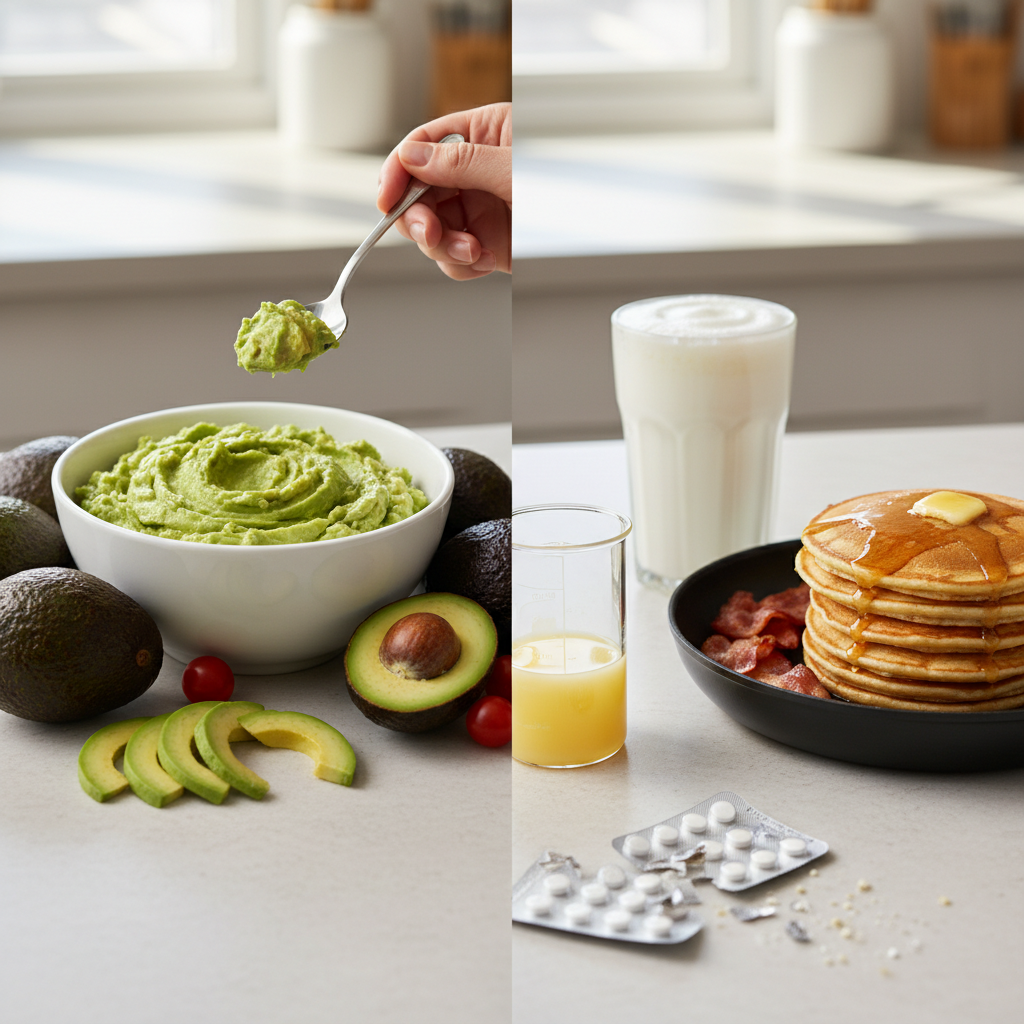
So, I challenged myself: a full month of daily avocado consumption. Guacamole, avocado toast, sliced into salads, blended into smoothies. My plate looked Instagram-ready every day. I felt virtuous. I expected my next blood work results to reflect this dedication, perhaps a gleaming report of optimal cholesterol and glowing health markers.
But then the results came back. And my cholesterol? It hadn’t budged. In fact, it was exactly where it had been before my avocado experiment. My heart sank. What was going on? Had I been lied to? Was avocado not the superfood I thought it was? Or was I missing a crucial piece of the puzzle that almost everyone misunderstands about even the healthiest of foods?
The Green Gold Rush: How Avocado Became a Superfood Icon
It wasn’t that long ago that “fat” was a four-letter word in the dietary lexicon. The low-fat craze of the ’80s and ’90s demonized all fats, lumping beneficial ones in with the truly detrimental. Fast forward to today, and the pendulum has swung. “Healthy fats” are celebrated, and rightfully so. And at the forefront of this fat-friendly revolution? The humble avocado.
Originating in south-central Mexico, avocados have been consumed for millennia, but their rise to global superfood status is relatively recent. Driven by a growing body of research highlighting the benefits of monounsaturated fats (MUFAs), fiber, and a rich array of vitamins and minerals, avocado quickly became the poster child for modern healthy eating. It’s creamy, versatile, and satisfying, checking all the boxes for a delicious and nutritious addition to almost any meal.
But here’s where the plot thickens: just because something is *healthy* doesn’t mean it’s without limits. Understanding the mechanics of what makes avocado beneficial, and where its potential pitfalls lie, is key to truly harnessing its power.
What’s Actually In Your Avocado? The Good Fat You’re Missing
Let’s not throw the avocado out with the bathwater just yet. The nutritional profile of an avocado is genuinely impressive. It’s not just “fat” – it’s a symphony of beneficial compounds.
Monounsaturated Fats: The Heart-Smart Heroes
The star of the show in avocado is its generous supply of monounsaturated fatty acids (MUFAs), primarily oleic acid. This is the same type of fat found in olive oil, renowned for its heart-healthy properties.
- Cholesterol Management: Studies have consistently shown that replacing saturated fats with MUFAs can help lower LDL (“bad”) cholesterol levels, while potentially maintaining or even increasing HDL (“good”) cholesterol. This is crucial for cardiovascular health.[1]
- Reduced Inflammation: Oleic acid also has anti-inflammatory properties, which can contribute to overall health and reduce the risk of chronic diseases.
- Satiety: Fats, in general, are more satiating than carbohydrates or protein, helping you feel fuller for longer and potentially reducing overall calorie intake throughout the day.
Fiber: Your Gut’s Best Friend
A single medium avocado can pack around 10 grams of dietary fiber – a significant chunk of your daily recommended intake. Fiber is a true unsung hero of nutrition, and avocado delivers on both fronts:
- Soluble Fiber: Helps lower cholesterol by binding to it in the digestive tract and carrying it out of the body. It also feeds beneficial gut bacteria.[2]
- Insoluble Fiber: Aids in digestive regularity and adds bulk to stool, promoting gut health.
Vitamins and Minerals: More Than Just Fat
Beyond fats and fiber, avocados are a nutrient goldmine. They are rich in:
- Potassium: Even more than a banana, essential for blood pressure regulation and fluid balance.
- Vitamin K: Crucial for blood clotting and bone health.
- Vitamin C & E: Powerful antioxidants that protect your cells from damage.
- B Vitamins: Including folate, vital for cell function and energy.
- Lutein and Zeaxanthin: Carotenoids important for eye health.
So, with all these incredible benefits, why did my cholesterol stay high after a month of daily avocado? This is where the story gets interesting, and frankly, a bit counterintuitive.
The Avocado Paradox: When “Healthy” Becomes a Trap
Here’s the thing about nutrition: no food exists in a vacuum. The benefits of avocado are undeniable, but its impact on your body, including cholesterol, isn’t solely determined by its nutrient content. It’s also about how much you eat, what else you eat, and your unique physiology.
Calorie Density: The Sneaky Overloader
This was the first major clue in my personal experiment. While avocados are packed with healthy fats, fats are also the most calorie-dense macronutrient, providing 9 calories per gram (compared to 4 calories per gram for carbs and protein).
A whole medium avocado can easily contain 250-350 calories. If you’re adding half or a whole avocado to your meal *on top* of your usual intake without adjusting other foods, you could easily be consuming an extra 150-350 calories per day. Over a month, that’s a significant caloric surplus.
The Portion Problem: More Than You Think
Here’s where many of us, myself included, go wrong. What’s a “portion” of avocado? Most guidelines suggest about one-third to one-half of a medium avocado (around 70-100 grams) as a serving. This provides about 110-160 calories and 10-15 grams of healthy fat.
But who eats just a third of an avocado? We scoop out half for toast, slather a generous dollop of guacamole, or cube a whole one into a salad, thinking we’re doing ourselves a favor. These larger portions, while still delivering beneficial nutrients, dramatically increase the calorie and fat load.
Individual Response: Why Your Body Isn’t Mine
Nutrition isn’t one-size-fits-all, and genetics play a significant role in how our bodies process dietary fats and manage cholesterol.
- Genetic Predisposition: Some individuals are more genetically predisposed to high cholesterol, even with a generally healthy diet. For these individuals, dietary changes might need to be more aggressive or combined with medication to see significant shifts.
- Overall Dietary Pattern: My cholesterol didn’t budge because adding avocado alone wasn’t enough to counteract other less-than-optimal dietary choices I might have been making. Were there still too many refined carbs? Hidden sources of unhealthy fats? An isolated “healthy” food can’t fix an overall unbalanced diet. The context of your entire diet is paramount.[3]
- Metabolic Health: Your current metabolic state, including insulin sensitivity and existing inflammation, can influence how your body responds to dietary fat, even healthy ones.
Eating Avocado Smarter: The Seed to Spoon Approach
My high cholesterol result was a wake-up call, not to ditch avocado, but to re-evaluate how I was incorporating it into my diet. Here’s how you can enjoy avocado’s benefits without falling into the “healthy but too much” trap.
Mastering Portion Control: The “Right” Amount
This is the biggest game-changer. For most people, a single serving of avocado is:
- 1/4 to 1/2 of a medium avocado (about 30-70g).
- This provides around 50-110 calories and 5-10 grams of healthy fat.
Measure it! It sounds tedious, but for a few days, actually weigh out your avocado. You’ll be surprised at how much you’re actually eating versus what you *think* you’re eating. Once you get a visual sense, you won’t need to measure every time.
Pairing for Success: What to Eat With It
Avocado works best when it replaces less healthy fats or adds a satisfying element to a nutrient-dense meal, rather than simply being an “add-on.”
- Replace Butter/Mayo: Use mashed avocado on sandwiches instead of butter or mayonnaise.
- Boost Salads: Add a quarter of an avocado to a large, veggie-packed salad to help absorb fat-soluble vitamins and increase satiety. Ensure the rest of the salad is lean (e.g., grilled chicken, chickpeas).
- Balance with Lean Protein and Fiber: Pair avocado with lean protein (eggs, fish, chicken) and plenty of non-starchy vegetables. This creates a balanced meal that promotes satiety without excessive calories. Think avocado and poached eggs with a side of spinach, not avocado toast with a giant portion of buttery bread.
Beyond Toast: Creative Ways to Enjoy Avocado
While avocado toast is delicious, there are many other ways to enjoy this fruit that can be more calorie-controlled or integrated into balanced meals:
- Smoothie Enhancer: A small chunk of avocado (1/8 to 1/4) adds incredible creaminess and healthy fats to smoothies without adding a strong flavor.
- Healthy Dressings: Blend avocado with lime juice, cilantro, and a touch of water for a creamy, healthy salad dressing.
- Egg Topper: A few slices on top of scrambled or fried eggs can be a perfect addition.
- Dessert Alternative: Believe it or not, avocado can be used to make creamy, dairy-free chocolate mousse!
Is Avocado *Always* Good for You? Nuance and Balance
No single food, no matter how “healthy,” is a magic bullet or universally perfect for everyone in all circumstances. Avocado is no exception.
When to Be Cautious
- Allergies: While uncommon, avocado allergies do exist, often linked to latex allergies.
- IBS/FODMAPs: Avocados are high in polyols, a type of FODMAP, which can trigger symptoms in individuals with Irritable Bowel Syndrome (IBS). Small portions might be tolerated, but large amounts can be problematic.
- Calorie/Fat Restrictions: If you’re on a very strict calorie-controlled diet or need to limit fat intake for specific health reasons, avocado might need to be consumed in very small amounts or avoided.
The Bigger Picture: It’s Not Just One Food
My avocado experience taught me a profound lesson: a healthy diet isn’t about isolating “good” foods and eating them in abundance. It’s about the entire dietary pattern.
If your overall diet is high in processed foods, added sugars, and unhealthy fats, simply adding avocado isn’t going to undo the damage. Similarly, if your cholesterol is high due to a combination of genetic factors, stress, lack of exercise, and other dietary issues, avocado alone won’t be the silver bullet.
Conclusion: The Avocado Revelation
My month of daily avocado didn’t lower my cholesterol as I’d hoped, but it delivered something far more valuable: a powerful lesson in nutritional humility and the importance of context. Avocado is still a fantastic food, rich in beneficial fats, fiber, and micronutrients. It absolutely deserves a place in a healthy diet.
But its “healthy” label isn’t a license for unlimited consumption. Like any calorie-dense food, it requires mindful portion control and integration into an overall balanced eating pattern. My elevated cholesterol wasn’t the avocado’s fault; it was my misunderstanding of how its inherent goodness fit into my bigger picture.
So, enjoy your avocado. Savor its creamy texture and nutritional benefits. Just remember that even a “superfood” thrives best within the framework of a balanced diet and conscious consumption. Your body will thank you for the nuance.
Key Takeaways:
- Avocado is rich in heart-healthy monounsaturated fats, fiber, and essential vitamins/minerals.
- It is calorie-dense; uncontrolled portions can lead to a caloric surplus and hinder health goals.
- A typical serving is 1/4 to 1/2 of a medium avocado.
- Integrate avocado mindfully into meals, often replacing less healthy fats or adding satiety to lean, fiber-rich dishes.
- Individual responses vary; overall dietary pattern and lifestyle are more important than any single food.
FAQ Section
What is a healthy portion size for avocado?
A healthy portion size for avocado is typically 1/4 to 1/2 of a medium avocado, which is roughly 30-70 grams. This amount provides a good dose of healthy fats and nutrients without adding an excessive amount of calories to your meal. It’s often helpful to measure it a few times to get a visual sense of what this looks like.
Can eating too much avocado raise my cholesterol?
While avocados contain healthy fats (monounsaturated fats) that can positively impact cholesterol, overeating any calorie-dense food, including avocado, can contribute to weight gain. Excess body weight is a risk factor for elevated LDL (“bad”) cholesterol. So, indirectly, by contributing to a caloric surplus and weight gain, excessive avocado consumption could contribute to higher cholesterol, especially if not balanced with an otherwise healthy diet and lifestyle.
Is avocado good for weight loss?
Avocado can be beneficial for weight loss when consumed in moderation. Its healthy fats and high fiber content promote satiety, helping you feel fuller for longer and potentially reducing overall calorie intake. However, due to its calorie density, it’s crucial to practice portion control. Replacing less healthy fats with avocado and incorporating it into a calorie-controlled diet rich in vegetables and lean protein can support weight loss.
Are frozen avocados as healthy as fresh ones?
Yes, frozen avocados are generally just as healthy as fresh ones. Freezing helps to preserve the nutritional content, including healthy fats, vitamins, and minerals. They are a convenient option, especially for smoothies or dishes where texture isn’t paramount, and can help reduce food waste. Just ensure they are plain frozen avocado, not processed with additives.
What’s the best way to store an avocado?
Whole, unripe avocados should be stored at room temperature until they ripen. Once ripe, you can store them in the refrigerator for a few days to slow down further ripening. If you’ve cut an avocado and only used part of it, keep the pit in the unused half, brush the cut surface with lemon or lime juice, and wrap it tightly in plastic wrap or an airtight container before refrigerating. This helps prevent browning.
Can avocado help with gut health?
Absolutely! Avocado is an excellent source of dietary fiber, both soluble and insoluble. Soluble fiber acts as a prebiotic, feeding beneficial gut bacteria, while insoluble fiber adds bulk and aids in regular bowel movements. A healthy gut microbiome is crucial for digestion, immune function, and overall well-being.
References
- Wang, L., et al. (2020). Impact of avocado consumption on metabolic health: A systematic review and meta-analysis of randomized controlled trials. Journal of Clinical Lipidology, 14(2), 223-233. PubMed
- Dreher, M. L., & Davenport, A. J. (2013). Hass avocado composition and potential health effects. Critical Reviews in Food Science and Nutrition, 53(7), 738-750. PubMed
- USDA FoodData Central. (n.d.). Avocados, raw, all commercial varieties. USDA
- Tabeshpour, J., et al. (2017). Effects of avocado (Persea americana) on liver markers, lipid profile, and antioxidant activity in patients with non-alcoholic fatty liver disease: A randomized, controlled trial. Phytotherapy Research, 31(8), 1195-1200. PubMed
- Park, S. K., et al. (2020). The effects of avocado consumption on the risk factors for metabolic syndrome: A systematic review and meta-analysis. Advances in Nutrition, 11(1), 164-177. PubMed
- Fulgoni, V. L., et al. (2013). Avocado consumption is associated with better diet quality and nutrient intake, and lower metabolic syndrome risk in US adults: results from the National Health and Nutrition Examination Survey (NHANES) 2001-2008. Nutrition Journal, 12(1), 1. PubMed
- Chen, X., et al. (2017). Dietary Fats and Cardiovascular Disease: An Update. Journal of the American College of Cardiology, 70(24), 3122-3131. JACC
Medical Disclaimer: This article is for informational purposes only and is not intended as medical advice. The information provided has been reviewed by licensed Registered Dietitians but should not replace consultation with a qualified healthcare provider. Individual nutritional needs vary based on age, health status, medications, and other factors. Always consult with your doctor or a registered dietitian before making significant changes to your diet, especially if you have existing health conditions or are taking medications.
Content Review: This article has been reviewed by licensed Registered Dietitians for accuracy and adherence to current nutritional science and evidence-based guidelines.