Your ‘Healthy’ Charcoal Toothpaste Is Quietly Destroying Your Enamel. Dentists Speak Out.
You’ve seen the dazzling white smiles splashed across social media, often accompanied by the alluring promise of charcoal toothpaste. It’s trendy, it’s natural-sounding, and it seems like the ultimate shortcut to a brighter grin. We get it. The desire for a whiter smile is powerful, and charcoal toothpaste has certainly captured the imagination of many health-conscious individuals looking for an “easy” fix. But what if the very product you’re relying on for that pristine smile is secretly working against you? What if the truth about charcoal toothpaste isn’t as sparkling as its marketing?
Dentists and scientific studies are raising serious red flags, suggesting that this popular trend might be doing more harm than good to your precious tooth enamel. At Seed to Spoon, we’re here to cut through the hype and bring you the scientifically-backed truth, so you can make informed decisions for your dental health. Get ready to uncover the real story behind charcoal toothpaste, and discover what the experts truly think.
How Charcoal Toothpaste Became a Whitening Sensation
Before we dive into the science, let’s understand why activated charcoal became such a dental darling. Activated charcoal itself isn’t new; it’s a super-heated, carbon-rich material (often from coconut shells, wood, or bamboo) treated to create tiny pores. Think of it like a highly porous sponge. These pores drastically increase its surface area, giving it an incredible ability to adsorb (not absorb, but bind to its surface) toxins and impurities. This is precisely why activated charcoal has a long history in medicine, used in emergency rooms to treat poisonings and drug overdoses.
The logic seemed simple: if it can pull poisons from the body, surely it can pull stains from your teeth, right? This seemingly sound reasoning, coupled with clever marketing and the allure of “natural” solutions, propelled charcoal toothpaste into mainstream popularity. Millions bought into the promise of an easy, at-home teeth whitening solution, believing they were upgrading their dental hygiene. But as we’ll soon discover, the leap from toxin removal to dental whitening isn’t as straightforward as it seems.
The Real Story Behind Charcoal Toothpaste (And Why Dentists Are Concerned)
Here’s where the plot thickens. While the idea of activated charcoal binding to stains is appealing, the reality of what it does to your teeth is far more complex, and frankly, concerning. The American Dental Association (ADA) has notably *not* given charcoal toothpaste its Seal of Acceptance, a critical indicator that warrants a closer look.
The Abrasive Truth: Why Your Enamel Is At Risk
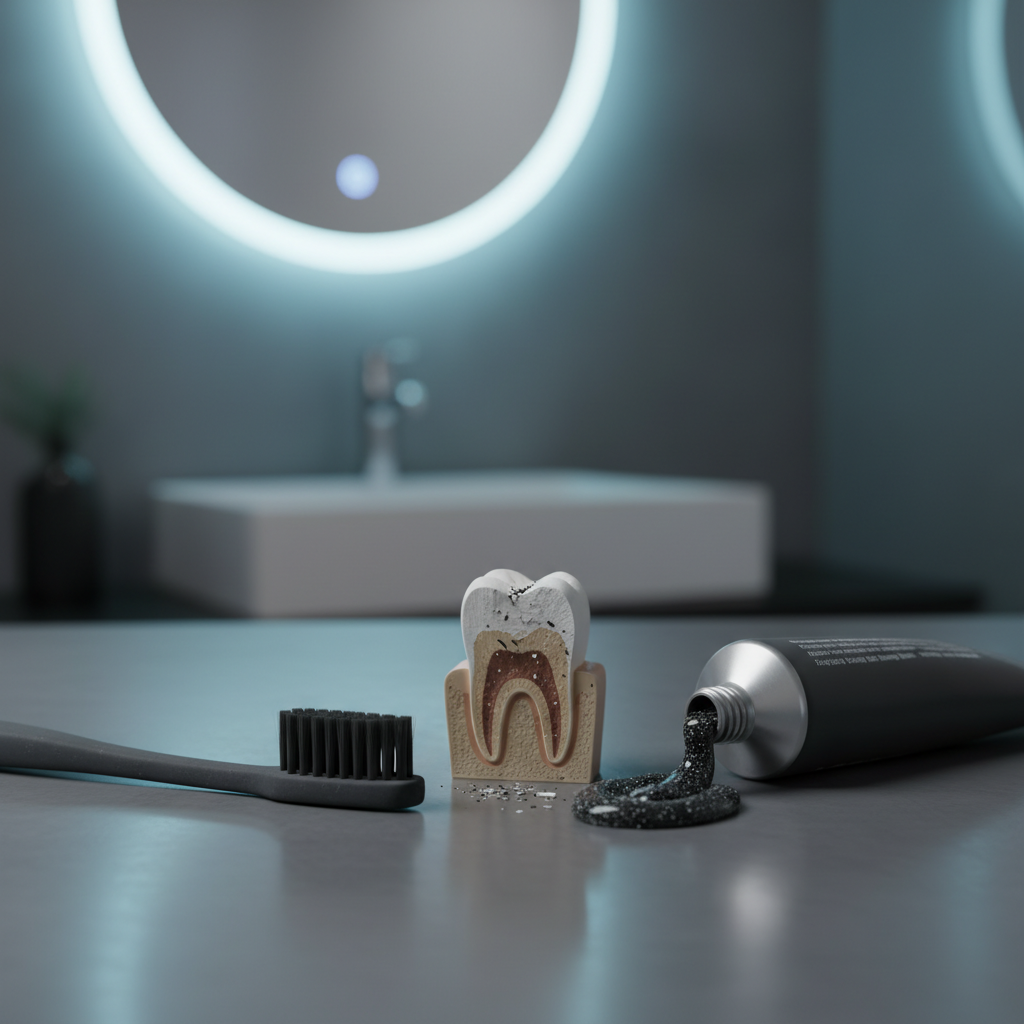
The primary mechanism by which charcoal toothpaste “whitens” teeth isn’t chemical, like professional bleaching. It’s mechanical. Think of activated charcoal as a scrubbing agent. The grainy, abrasive texture of charcoal essentially polishes away surface stains. Sounds good, right?
Frequent use of highly abrasive charcoal toothpaste can literally wear down your enamel. As enamel erodes, the yellowish dentin underneath becomes more exposed, ironically making your teeth appear more yellow in the long run. This erosion also increases tooth sensitivity, leading to discomfort when consuming hot, cold, or sweet foods and drinks. Studies published in journals like the Journal of the American Dental Association have highlighted the high abrasiveness of many charcoal-based dentifrices, emphasizing the risk of irreversible damage to tooth structure.
The Fluoride Fiasco: A Critical Missing Ingredient
Here’s another significant oversight: many charcoal toothpastes omit fluoride. Why does this matter? Fluoride is a superhero when it comes to dental health. It’s a naturally occurring mineral that strengthens enamel and actively fights cavities and tooth decay by remineralizing weakened areas. It’s the reason toothpastes and most public water supplies contain it.
A review in the British Dental Journal specifically pointed out the lack of therapeutic agents like fluoride in most charcoal dentifrices as a major drawback, leaving users unprotected against caries.
Surface Level Scratches: Why Stains Return (and Worsen)
The “whitening” effect of charcoal toothpaste, if any, is purely cosmetic and temporary. It only removes surface stains. These are the extrinsic stains caused by coffee, tea, red wine, and certain foods. It cannot penetrate the tooth structure to lighten intrinsic (internal) discoloration. Furthermore, as Penn Dental Medicine highlights, sometimes charcoal toothpaste can actually make teeth appear darker, especially if it gets lodged in cracks, crevices, or around existing dental work.
Even if it removes surface stains, the microscopic scratches left by the abrasive charcoal can make your enamel more susceptible to future staining, creating tiny nooks and crannies where pigments can easily latch on. It’s like sanding down a smooth surface with rough sandpaper – it might look clean initially, but it’s now rougher and more prone to catching dirt.
Brighter Smiles, Safer Ways: Proven Alternatives
So, if charcoal toothpaste isn’t the answer, what *is*? The good news is that achieving a brighter, healthier smile doesn’t require risking your enamel or falling for fads. There are several scientifically supported, dentist-approved methods to whiten your teeth and maintain optimal oral health.
1. The Power of Oil Pulling
This ancient Ayurvedic practice involves swishing a tablespoon of oil (typically coconut oil due to its pleasant taste and antimicrobial properties) in your mouth for 15-20 minutes daily. The oil “pulls” bacteria, plaque, and debris from your mouth, reducing discoloration caused by these factors. Coconut oil is gentle on enamel and supports overall oral hygiene without harsh abrasives.
2. Baking Soda: Your Gentle Abrasive Ally
Baking soda is a mild abrasive that can effectively remove surface stains without damaging enamel. It also creates an alkaline environment in your mouth, which is unfavorable for acid-producing bacteria that cause cavities and decay. You can find toothpastes containing baking soda, or you can create a paste by mixing one teaspoon of baking soda with two teaspoons of water and use it two to three times a week. Research supports its role in stain removal and reducing plaque and gingivitis.
3. Hydrogen Peroxide: The Bleaching Power (Used Wisely)
Many over-the-counter whitening products contain hydrogen peroxide because of its bleaching properties. It’s effective at breaking down stain compounds. However, too high a concentration can irritate gums and increase tooth sensitivity. The safest approach for at-home use is to rinse with a 1.5% to 3% hydrogen peroxide solution after brushing your teeth. If irritation occurs, dilute it further or discontinue use. Always follow product instructions carefully.
4. Diet and Lifestyle Adjustments
Prevention is always the best cure. Crunchy, raw fruits and vegetables like apples and carrots can act as natural toothbrushes, helping to scrub away plaque. While some acidic fruits (strawberries, pineapples) might offer minor whitening effects, moderation is key due to their acidity. More importantly, minimize your intake of common stain culprits: coffee, red wine, dark berries, soda, and certain teas. If you do consume them, rinse your mouth with water immediately afterward, or brush about an hour later. Quitting smoking and chewing tobacco is also paramount, not just for your overall health but for preventing severe tooth discoloration.
5. Consistent Oral Hygiene and Professional Care
This is the foundation of a healthy, bright smile. Brushing twice a day with a fluoride toothpaste (with the ADA Seal of Acceptance!) and flossing daily removes plaque and prevents stain buildup. Regular dental check-ups and professional cleanings are non-negotiable. Your dentist can remove stubborn stains and offer in-office whitening treatments that are both safe and highly effective.
The Verdict: When to Ditch the Charcoal
The allure of charcoal toothpaste is understandable. It taps into our desire for quick, natural solutions. However, when we weigh the anecdotal benefits against the potential for irreversible harm, the decision becomes clear. The consensus among dental professionals is one of caution, bordering on outright disapproval for regular use.
For most people, the risks of enamel erosion, increased sensitivity, potential staining of dental work, and the absence of cavity-fighting fluoride far outweigh any perceived cosmetic benefits. If you have sensitive teeth, existing dental restorations (fillings, crowns, veneers), or are at an elevated risk for cavities or gum disease (like individuals with sickle cell disease), charcoal toothpaste is something you should actively avoid.
Conclusion: Choose Wisdom Over Whimsy
The journey to a brighter smile doesn’t have to be a gamble. While charcoal toothpaste might tempt you with its mystique and promises, the scientific evidence and expert opinions paint a clear picture: it’s a trend with potential pitfalls that could leave your teeth in worse shape than before.
Instead of chasing fads, empower yourself with proven strategies that truly nourish your oral health. Embrace the power of fluoride, the gentleness of baking soda, the detoxifying ritual of oil pulling, and the undeniable importance of regular dental care. Your teeth are an invaluable asset, and they deserve care that’s rooted in science, not just fleeting trends.
Ready to ditch the dental drama and embrace a truly radiant, healthy smile? The path is clear, and it’s paved with evidence, not just activated carbon.
Key Takeaways:
- Charcoal toothpaste is abrasive and can irreversibly erode your tooth enamel, leading to sensitivity and ultimately making teeth appear yellower.
- Most charcoal toothpastes lack fluoride, leaving your teeth unprotected against cavities and decay.
- It primarily removes only surface stains and can stain existing dental work like fillings and veneers.
- Safer, proven alternatives include fluoride toothpaste, baking soda, controlled hydrogen peroxide rinses, oil pulling, and dietary adjustments.
- Regular dental check-ups and professional cleanings are essential for optimal oral health and stain prevention.
FAQ Section
Is charcoal toothpaste safe for daily use?
No, dentists generally advise against daily use of charcoal toothpaste. Its abrasive nature can lead to irreversible enamel erosion over time, increasing tooth sensitivity and making teeth appear yellower. It also often lacks fluoride, a critical ingredient for daily cavity protection.
Can charcoal toothpaste damage my teeth?
Yes, the abrasive particles in charcoal toothpaste can wear down tooth enamel. This erosion can lead to increased sensitivity, expose the yellowish dentin underneath (making teeth look darker), and can also scratch or stain dental restorations like fillings, crowns, and veneers.
Does charcoal toothpaste actually whiten teeth?
Any whitening effect from charcoal toothpaste is typically due to its abrasive nature removing superficial surface stains. It does not chemically bleach teeth or change intrinsic discoloration. This effect is often temporary, and the abrasive action can make teeth more prone to future staining.
Why isn’t charcoal toothpaste approved by the ADA?
The American Dental Association (ADA) has not granted its Seal of Acceptance to charcoal toothpaste due to a lack of scientific evidence demonstrating its safety and effectiveness for oral health. Concerns include its abrasiveness, potential for enamel damage, and the common absence of fluoride.
What are better alternatives for teeth whitening?
For safe and effective whitening, consider using ADA-accepted fluoride toothpastes, oil pulling with coconut oil, brushing with baking soda (2-3 times/week), or rinsing with a diluted hydrogen peroxide solution (1.5-3%). Limiting stain-causing foods and drinks, and regular dental cleanings are also crucial.
Can charcoal toothpaste stain dental fillings or crowns?
Yes, charcoal particles can become embedded in the microscopic pores and margins of dental restorations like fillings, veneers, bridges, and crowns, leading to irreversible dark staining. It’s highly recommended to avoid charcoal toothpaste if you have any dental work.
References
- Penn Dental Medicine. (n.d.). Does Charcoal Toothpaste Work? Retrieved from https://penndentalmedicine.org/blog/does-charcoal-toothpaste-work/
- Greenwall, L., et al. (2020). Charcoal-based dentifrices: a review. Journal of the American Dental Association, 151(12), 920-928. Retrieved from https://jada.ada.org/article/S0002-8177(20)30441-2/fulltext
- Brooks, J. K., et al. (2017). Charcoal and charcoal-based dentifrices: a literature review. Journal of the American Dental Association, 148(9), 661-670. Retrieved from https://jada.ada.org/article/S0002-8177(17)30444-6/fulltext
- Franco, M. E., et al. (2019). The efficacy and safety of activated charcoal-based dentifrices: A systematic review. British Dental Journal, 226(3), 193-199. Retrieved from https://www.ncbi.nlm.nih.gov/pmc/articles/PMC6449100/
- Degefu, G. A., et al. (2023). Dental abnormalities in individuals with sickle cell disease: A systematic review and meta-analysis. ScienceDirect (Journal of Oral and Maxillofacial Surgery). Retrieved from https://www.sciencedirect.com/science/article/pii/S2531137923025397
- Costa, R. M., et al. (2021). The effect of activated charcoal on dental restorative materials: A systematic review. Clinical, Cosmetic and Investigational Dentistry, 13, 223-231. Retrieved from https://www.ncbi.nlm.nih.gov/pmc/articles/PMC7999827/
Medical Disclaimer: This article is for informational purposes only and is not intended as medical advice. The information provided has been reviewed by licensed Registered Dietitians but should not replace consultation with a qualified healthcare provider. Individual nutritional needs vary based on age, health status, medications, and other factors. Always consult with your doctor or a registered dietitian before making significant changes to your diet, especially if you have existing health conditions or are taking medications.
Content Review: This article has been reviewed by licensed Registered Dietitians for accuracy and adherence to current nutritional science and evidence-based guidelines.